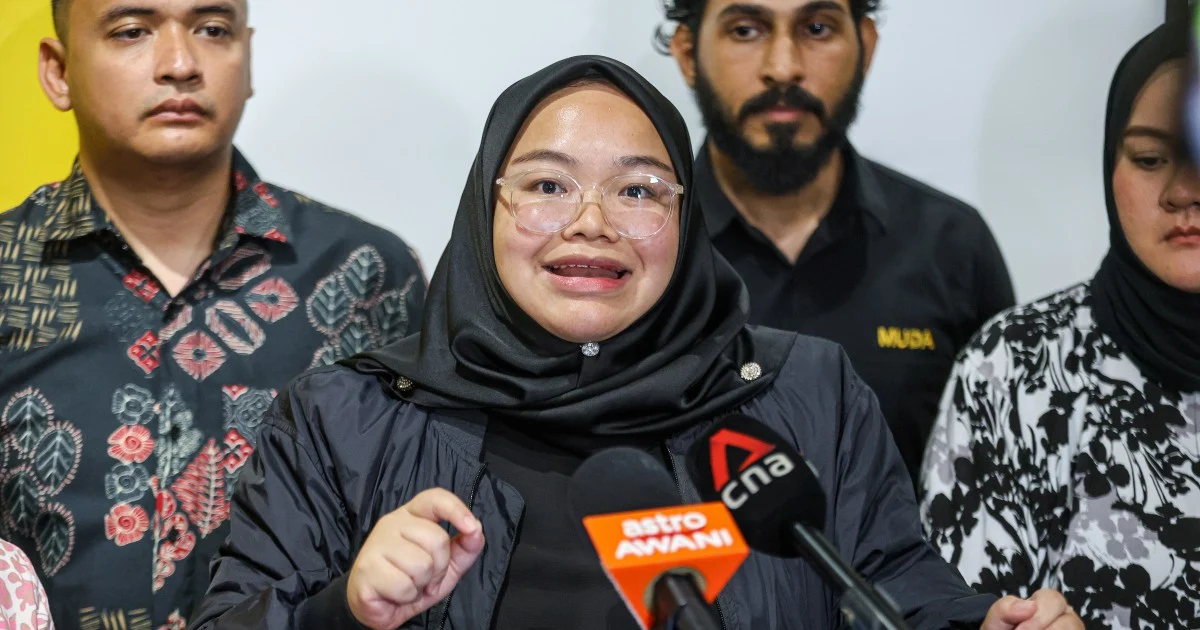
Muda has underscored the positive nature of its existing rapport with Bersatu in Johor, though the two parties have not moved toward formalising any electoral cooperation arrangement in anticipation of the state election. The clarification comes as political analysts continue to monitor shifting coalition dynamics across Malaysia's southern state, where multiple opposition and government-aligned parties are manoeuvering for positioning.
The youth-focused political party, which has grown its footprint across the peninsula in recent years, appears to be maintaining strategic flexibility in Johor rather than committing to a binding electoral partnership. This approach reflects a broader pattern among emerging political movements seeking to balance relationship-building with maintaining negotiating leverage as election cycles approach. For Muda, establishing cordial connections with established parties like Bersatu may provide pathways for collaboration without locking the party into predetermined seat allocations or campaign arrangements.
Bersatu, which emerged from the collapse of the Pakatan Harapan coalition and has undergone multiple realignments, represents a significant political force in Johor with its own organisational infrastructure and voter base. The party's positioning in the state has shifted considerably following broader federal political changes, and its relationship with other opposition-oriented or reform-minded parties like Muda carries implications for how anti-establishment votes may be distributed. Johor's political landscape remains fluid, with several parties still negotiating their respective roles and candidacies.
Muda's measured stance on electoral cooperation reflects the party's growth strategy under its leadership, which has emphasised appealing to younger, urban voters dissatisfied with traditional political establishments. The party's reluctance to rush into coalition arrangements suggests confidence in its ability to contest independently whilst preserving options for cooperation in specific constituencies if circumstances warrant. This flexibility has served Muda well in recent electoral contests, where tactical positioning has sometimes yielded returns disproportionate to its voter share.
For Johor specifically, the absence of a formal Muda-Bersatu pact does not preclude practical collaboration on the ground or candidate coordination in particular seats. Malaysian politics has frequently featured informal understandings between parties that operate outside formal coalition frameworks, allowing partners to maintain distinct identities whilst avoiding direct competition. Such arrangements often remain unannounced until they become evident through candidate announcements or campaign patterns.
The state election in Johor carries significance beyond provincial politics, as outcomes there influence perceptions of momentum in the broader federal arena. Johor has traditionally been a barometer of Malay-Muslim voter sentiment and remains economically important given its proximity to Singapore and role as a manufacturing and trade hub. Any new coalition arrangements or electoral cooperation patterns tested in Johor may set precedents for how parties approach cooperation in other peninsular states with upcoming elections.
Bersatu's own position within the government coalition at federal level adds complexity to any cooperation calculation. The party's involvement with Perikatan Nasional and various state-level arrangements means that Bersatu-Muda cooperation in Johor operates within a different context than cooperation between two clearly opposition-aligned parties. Muda has generally sought to position itself as non-aligned within formal coalition structures, allowing it to appeal across ideological divides and avoid being tainted by association with any single major coalition's baggage.
The political fluidity in Johor extends beyond the Muda-Bersatu dynamic. Other parties including those within Pakatan Harapan are also making calculations about candidate deployment and resource allocation. The eventual shape of electoral competition in Johor will likely involve multiple bilateral and trilateral discussions among various political movements, with cooperation agreements and electoral arrangements potentially announced at different times before nomination day.
Muda's emphasis on good relations whilst withholding commitment to formal cooperation provides useful negotiating room. Should circumstances change or should either party's position become clearer closer to election timing, the foundation of positive relations provides a basis for swift agreement. Conversely, if independent contestation proves strategically advantageous for either party, the absence of a binding pact allows both to proceed without violating pre-election commitments.
The broader significance of Muda's approach in Johor relates to questions about coalition architecture in post-Pakatan Harapan Malaysian politics. Established parties have generally gravitated toward formal partnerships offering stability and resource-sharing, but newer entrants like Muda have demonstrated that selective, flexible engagement can also yield political returns. This divergence reflects generational differences in how political parties perceive the utility of coalition frameworks.
Observers watching Johor's electoral preparations will likely see further announcements regarding cooperation arrangements as the election date approaches. The Muda-Bersatu relationship in the state appears positioned for potential collaboration whilst retaining strategic options, a pragmatic stance that may increasingly characterise Malaysian coalition politics as traditional alliances continue to fracture and recombine.