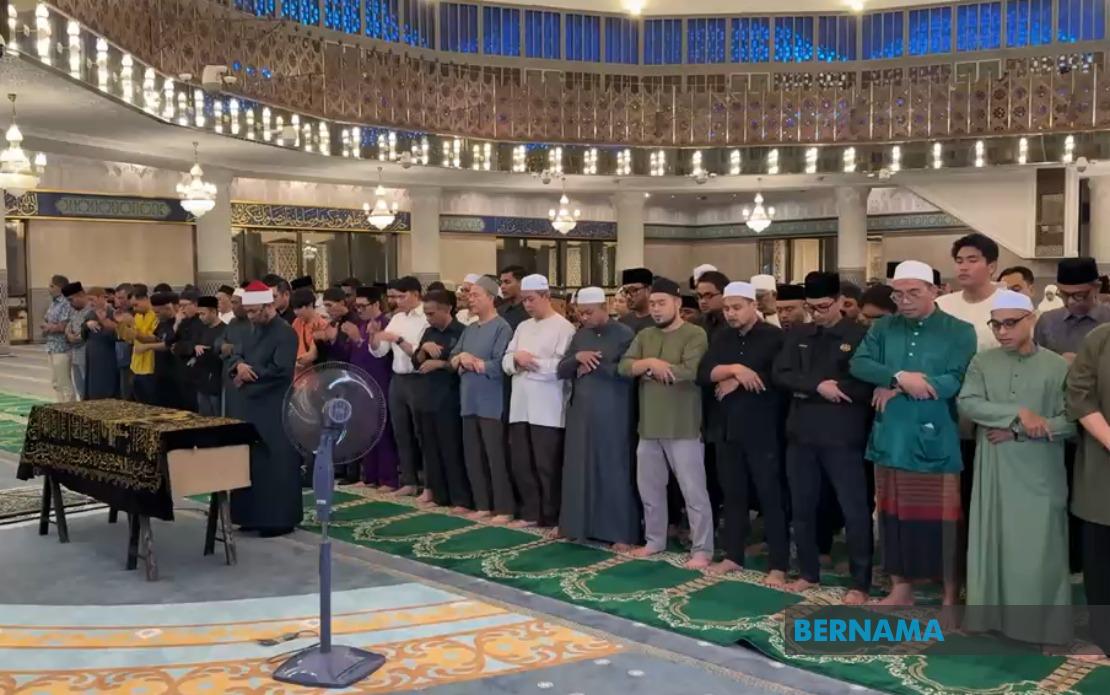
The body of Datuk Kamil Misuari, husband of Women, Family and Community Development Minister Datuk Seri Nancy Shukri, was accorded funeral rites at the National Mosque on the evening of June 18, marking the final phase of funeral arrangements in the capital before his remains were transported to Sarawak for interment. The ceremony represented a solemn farewell for the deceased, who had been receiving treatment at Ampang Hospital following a sudden deterioration in his health condition.
According to a statement released by the Office of the Minister of Women, Family and Community Development, the funeral preparations commenced with the ritual washing of the remains at Ampang Hospital at 9 pm. This initial step, part of Islamic funeral traditions, was completed efficiently to allow for the subsequent proceedings at the mosque. The careful coordination of timing ensured that family members and close associates would have adequate opportunity to participate in the various stages of the funeral observance.
The transportation of the deceased to the National Mosque occurred at 10 pm, creating an occasion for immediate family and close friends to gather for final respects before the formal prayer service. The choice of the National Mosque as the venue for funeral prayers underscores the significance of the occasion and reflects the dignified manner in which the family chose to observe traditional Islamic practices. The gathering at the mosque provided mourners from across the country an opportunity to pay their tributes to the deceased.
The scheduled funeral prayers were set to commence at 10:50 pm, allowing sufficient time for attendees to assemble and prepare for the solemn religious observance. Following the completion of these prayers, the remains were scheduled to be transported to Kuala Lumpur International Airport at 11:20 pm, where arrangements had been made for immediate air transport to Sarawak. This tight coordination reflected the family's wish to proceed with burial arrangements according to Islamic custom, which traditionally requires swift interment following death.
Among those who gathered at Ampang Hospital to pay their respects was Education Minister Fadhlina Sidek, demonstrating the cross-ministerial solidarity extended to the grieving family. The presence of government colleagues underscored the public stature of Nancy Shukri within Malaysia's cabinet structure and the widespread recognition of her contributions to her ministerial portfolio. Such attendance also reflected the customs of Malaysia's political establishment to acknowledge the personal losses experienced by its members.
It is understood that Datuk Kamil had been hospitalised since the previous Friday at Ampang Hospital, with his medical condition taking a critical turn during the afternoon of June 18. The sudden deterioration necessitated the swift mobilisation of funeral arrangements, reflecting the unexpected nature of his passing. Medical details remained limited, though the circumstances indicated a serious health crisis that progressed rapidly despite hospital care.
Family members who had travelled from Lahad Datu in Sabah were present in Kuala Lumpur to participate in the funeral observances and to accompany their relative during this difficult period. The gathering of extended family from various parts of Malaysia reflected the interconnected nature of the deceased's family network and the significance of funeral rites as a moment for familial reunion and collective grieving. The journey undertaken by relatives from Sabah demonstrated the importance placed on being present for such significant occasions.
The decision to conduct funeral prayers at the National Mosque rather than at a neighbourhood mosque indicated the formal and official nature of the proceedings. As the principal mosque of Malaysia, the National Mosque serves as an appropriate venue for observances involving individuals of public prominence. The location also facilitated attendance by government officials and other dignitaries who wished to pay respects to the family.
The transfer of the remains to Kuala Lumpur International Airport represented the final stage of the funeral proceedings in the capital. The coordination of flight arrangements to Sarawak had been executed with the efficiency expected for such sensitive circumstances. The decision to conduct the final burial in Sarawak, rather than in the capital, suggests family roots and preferences in that state, aligning with traditional practices of interring deceased family members in locations of personal or ancestral significance.
The sequence of events—from the initial preparation at the hospital through the mosque prayers to the airport transfer—demonstrated the careful coordination required to balance Islamic funeral traditions with the logistical demands of transporting remains across Malaysia. Each phase had been timed to ensure that religious observances could be properly conducted while maintaining momentum toward the final burial. This meticulous planning reflected both respect for the deceased and consideration for the grieving family's emotional and spiritual needs during a period of acute loss.