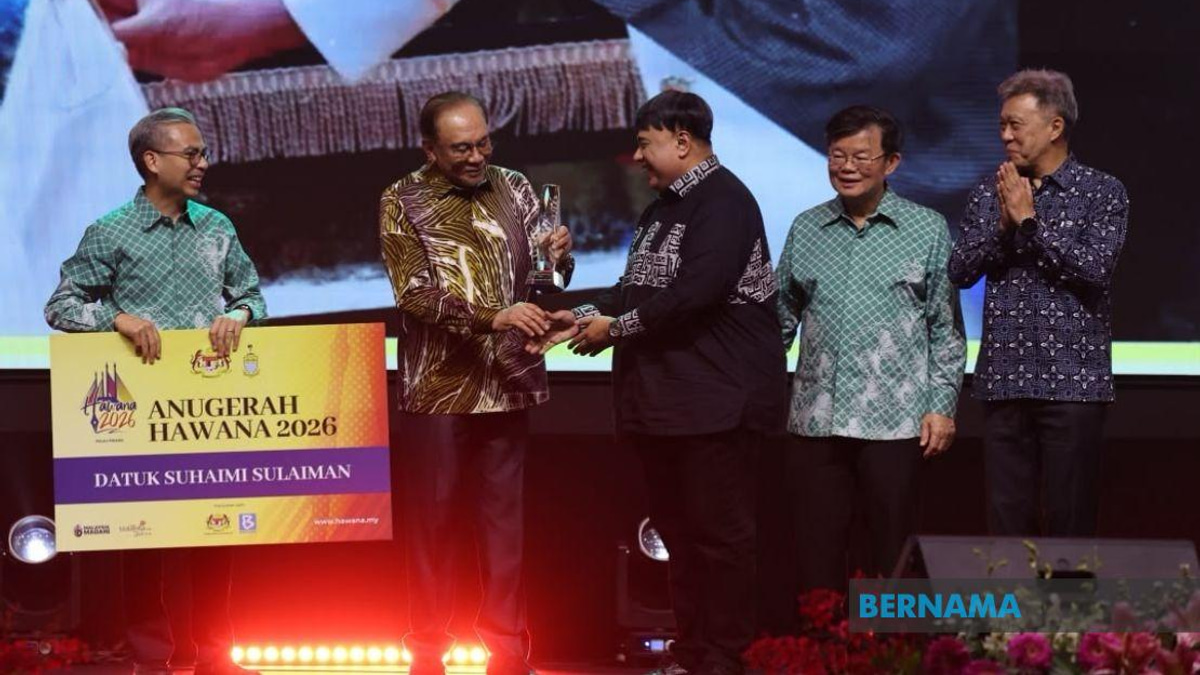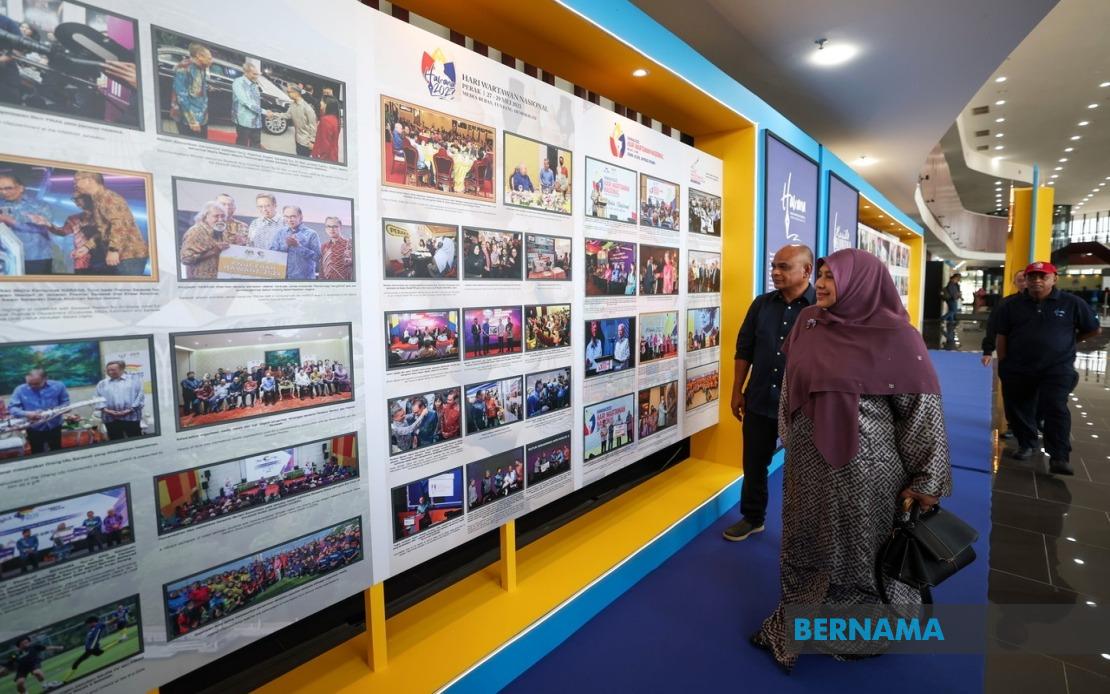
Malaysia's premier celebration of journalism excellence, the National Journalists' Day summit, will open its doors tomorrow at the PICCA@Arena Butterworth Convention Centre in Penang, with Prime Minister Datuk Seri Anwar Ibrahim set to deliver the official opening at 3 pm. The HAWANA 2026 summit represents a significant occasion for the country's media fraternity, drawing together practitioners from across Malaysia and abroad under the theme 'Media Integrity Strengthens Credibility'—a reflection of the industry's ongoing commitment to upholding professional standards in an increasingly complex information landscape.
Organised by the Ministry of Communications with state news agency Bernama as the implementing agency, HAWANA has established itself as the nation's foremost platform for honouring the contributions and professionalism of media workers. The event has evolved from a simple recognition ceremony into a strategic gathering where journalists, editors, broadcasters and digital media professionals converge to exchange insights, challenge assumptions about contemporary journalism and collectively shape the sector's future direction. This year's edition is expected to attract approximately 1,000 participants, making it a substantial convening of media talent and leadership from across the region.
Preparations have reached an advanced stage, with the HAWANA 2026 Working Committee completing 80 per cent of its logistical groundwork over the past three days. Bernama chief executive officer and committee chairman Datin Paduka Nur-ul Afida Kamaludin confirmed that extensive rehearsal sessions have been conducted to guarantee seamless execution of the summit's various components. The meticulous planning reflects the complexity of coordinating such a large-scale gathering, particularly given the challenges inherent in hosting the event outside Kuala Lumpur for what appears to be a significant departure from tradition.
The decision to relocate HAWANA 2026 to Penang introduced considerable logistical complexity that necessitated detailed advance planning. Nur-ul Afida acknowledged that the northern state presented distinct challenges regarding accommodation availability and transportation coordination for visiting journalists and delegates. To address these concerns, the organising committee engaged extensively with multiple hospitality providers across Penang, securing arrangements that would serve not only the core organising team but also the media personnel travelling to participate. Such coordination represents far more than simple administrative groundwork; it reflects recognition that the accessibility and comfort of participants directly influences the quality of engagement and networking that occurs during such professional gatherings.
The relocation to Penang is anticipated to influence attendance patterns compared with previous iterations held in the capital. Nur-ul Afida noted that Kuala Lumpur's concentration of media headquarters and industry institutions naturally facilitated higher participation, as journalists could attend without significant travel disruption. Penang's location, while culturally and economically significant to Malaysia's media landscape, presents practical obstacles. Work commitments, time constraints and competing professional responsibilities may prevent some practitioners from attending, potentially resulting in a smaller cohort than historical editions. Nevertheless, this geographic shift potentially democratises participation by requiring commitment from practitioners across the country, rather than defaulting to those in the capital.
Beyond the central summit programme, the HAWANA 2026 framework incorporates complementary events organised by major industry bodies. The Malaysian Media Council, Federation of Malaysian Media Clubs (GKMM) and Malaysian Press Institute (MPI) have all scheduled side events in conjunction with the main gathering. These parallel sessions extend the intellectual scope of the summit, permitting deeper exploration of specific issues affecting different segments of the media industry—whether print, broadcast, digital or emerging media platforms—while facilitating specialised networking among practitioners working within particular sectors or geographic regions.
The selection of 'Media Integrity Strengthens Credibility' as this year's central theme carries particular resonance for Malaysia's journalism sector. In an era characterised by information fragmentation, the proliferation of unverified content online and declining public trust in traditional institutions, the emphasis on integrity serves as both aspiration and accountability mechanism. The theme implicitly acknowledges that media credibility cannot be assumed or inherited from historical reputation; rather, it must be continuously constructed and defended through rigorous adherence to professional standards, transparent sourcing practices and demonstrated commitment to accuracy over sensationalism. For Malaysian journalists, many of whom operate in a complex regulatory environment and navigate sometimes contentious relationships with political and corporate actors, such explicit affirmation of integrity principles provides intellectual grounding for their professional identity.
The participation of Prime Minister Anwar Ibrahim as opening speaker carries symbolic weight beyond ceremonial protocol. The government's representation at the summit signals official recognition of journalism's social function and the Malaysian media sector's role in sustaining democratic discourse. Such endorsement matters particularly for journalists working in developing democracies, where the profession sometimes experiences pressure or marginalisation. The Prime Minister's presence underscores that media practice remains integral to Malaysia's governance and national conversation, even as the sector itself grapples with technological disruption, economic pressure and shifting audience preferences.
Hawana's annual recognition of media practitioners deserves contextualisation within Southeast Asia's broader media ecology. Malaysian journalism faces distinctive challenges: competition from regional and global digital platforms, the concentration of news consumption among younger audiences on social media, economic pressures on traditional newsrooms and ongoing debates about press freedom and regulatory frameworks. Yet Malaysia also maintains a relatively vibrant media ecosystem with multiple outlets representing diverse perspectives. The HAWANA summit provides opportunity for practitioners to collectively address these challenges, share best practices and reinforce professional norms that transcend individual newsroom pressures or market incentives.
The summit's emphasis on bringing together practitioners from Malaysia and abroad reflects recognition that journalism increasingly operates across borders. Stories of regional significance—whether involving human trafficking, environmental degradation, economic integration or geopolitical tensions—require collaborative investigation and reporting. International participation at HAWANA enables Malaysian journalists to benchmark their practices against international standards, learn from counterparts in neighbouring countries facing similar challenges and contribute their distinctive perspectives shaped by Malaysia's particular history and political context. Such exchange strengthens the overall quality and relevance of journalism across Southeast Asia.
Looking ahead, the gathering in Penang represents more than a ceremonial occasion. It constitutes a moment when the Malaysian media sector pauses amid daily deadline pressures to consider fundamental questions: what journalism should accomplish, how practitioners maintain integrity while navigating technological and market pressures, and what role media plays in Malaysia's development as a nation. The proximity of participants from diverse outlets, platforms and backgrounds creates possibility for the kind of cross-pollination and intellectual exchange that individual newsrooms, constrained by competitive pressures and resource limitations, cannot easily generate internally. In this respect, HAWANA 2026 functions as institutional mechanism for collective professional reflection and renewal.