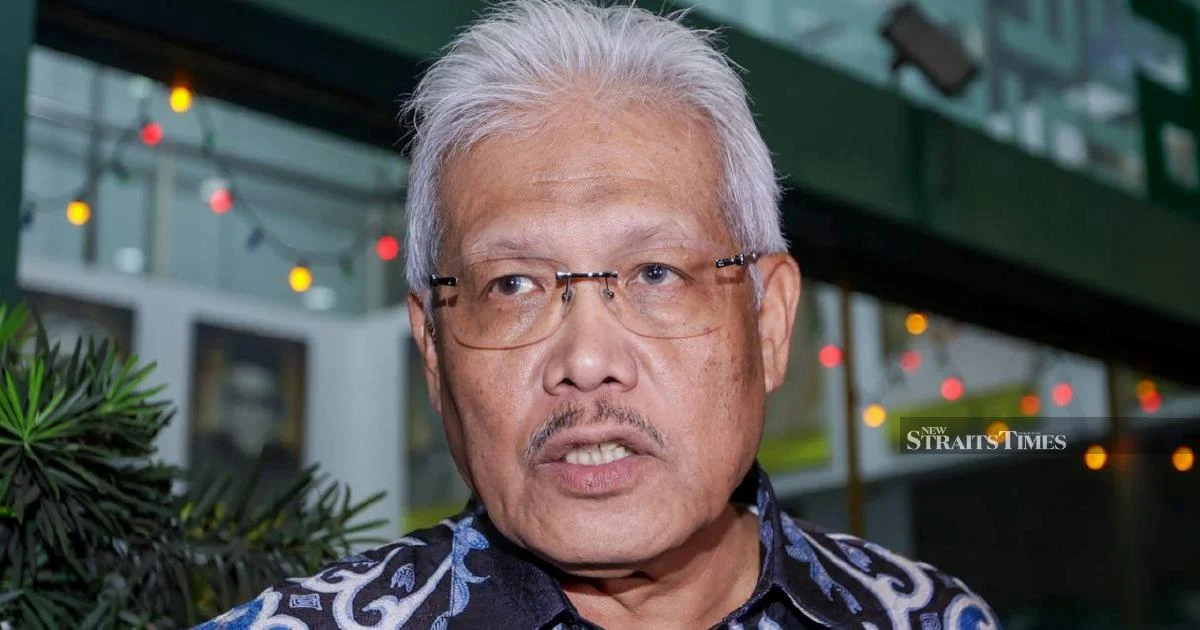
The opposition coalition has confirmed that formal paperwork confirming Datuk Seri Hamzah Zainudin's role as opposition leader will reach the Dewan Rakyat Speaker's office prior to the forthcoming parliamentary sitting. This announcement, made in Kota Baru, marks a significant procedural step in consolidating the opposition's institutional presence in the legislature following recent political developments.
The submission of the formal notification represents more than mere administrative routine—it signals the opposition's intent to establish clear, legitimate standing within Malaysia's parliamentary framework. Under the country's constitutional arrangements, the opposition leader holds significant privileges and responsibilities, including the right to speak on matters of national importance and to participate in select parliamentary committees. The timing of this notification before the next sitting ensures that the legislature can formally recognise the opposition's designated leadership without delay.
Hamzah Zainudin, who previously served in government roles, brings considerable parliamentary experience to the position. His appointment reflects ongoing negotiations and consensus-building within opposition blocs, particularly among larger component parties that have coalesced around a common political platform. For Malaysian political observers, the move underscores the opposition's organisational maturity and willingness to function within constitutional constraints despite being outside the government.
The procedural formality of notifying the Speaker carries institutional weight. Malaysia's parliamentary system draws its precedent from Westminster conventions, where the opposition leader occupies a formal office of state. Recognition by the Speaker's office transforms what might be informal political arrangements into constitutionally embedded positions with attendant rights and duties. This distinction matters substantially when considering parliamentary procedure, ministerial accountability mechanisms, and the opposition's capacity to hold government to account during debates and question time.
Political analysts in Malaysia have noted that opposition coalitions have historically faced coordination challenges, particularly when multiple parties with differing ideologies attempt to function as a unified bloc. The appointment of a single, formally recognised opposition leader consolidates voice and authority, providing constituents and voters with a clearer understanding of who represents the opposition's interests at the highest parliamentary level. This transparency can enhance the opposition's electoral messaging and organisational coherence.
For Southeast Asian parliamentary democracies, the Malaysian model of formally recognising an opposition leader reflects broader regional trends toward strengthening institutional checks on executive authority. Countries including Indonesia and Thailand have experimented with various frameworks for institutionalising opposition roles, recognising that robust parliamentary opposition strengthens democratic governance overall. The practice ensures that governments cannot marginalise dissenting voices through procedural mechanisms alone.
The timing of the notification carries political significance. Parliamentary sittings are scheduled well in advance, and submitting the formal notice before the next sitting ensures the opposition's structural legitimacy is established from the outset of that session. This prevents potential disputes over recognition or disputes regarding the opposition leader's parliamentary privileges—matters that, if contested, could consume legislative time and create institutional friction.
For Malaysian voters and civil society observers, formalising the opposition leader's appointment demonstrates that institutional frameworks function regardless of which coalition holds executive power. This normalisation of opposition engagement within constitutional parameters strengthens public confidence in the system's resilience and fairness. Opposition parties can campaign and organise, knowing their institutional voice remains protected even during periods when they lack parliamentary majority.
The announcement from Kota Baru reflects coordination among opposition state and federal leadership. Kelantan, governed by opposition parties, serves symbolically as a base where opposition messages resonate with particular clarity. Conducting the announcement there signals that opposition strength extends beyond federal parliament into state capitals, reinforcing the notion that opposition politics operates across multiple governance tiers simultaneously.
Looking forward, Hamzah's formal recognition as opposition leader will likely intensify parliamentary scrutiny of government initiatives. Opposition leaders gain enhanced interrogatory powers, including the right to pursue longer questions during parliamentary questioning sessions and greater latitude in raising matters of public concern. These mechanisms create space for detailed examination of government spending, policy effectiveness, and administrative conduct—functions critical to democratic accountability.
The opposition's procedural competence in managing this notification through proper channels also signals that Malaysian politics, despite heated rhetoric and passionate disagreements, continues functioning within constitutional bounds. Both government and opposition possess clear rules governing their conduct, dispute resolution mechanisms, and institutional relationships. This rules-based framework, though sometimes strained, provides the foundation upon which Malaysian democracy continues operating.
As parliament reconvenes, the formal notification will transform Hamzah Zainudin from an informally recognised opposition spokesperson into the constitutionally acknowledged head of the legislative opposition. This distinction, subtle to casual observers, carries substantial weight within parliamentary procedure and democratic governance structures that Malaysians rely upon to balance state power and protect individual rights.