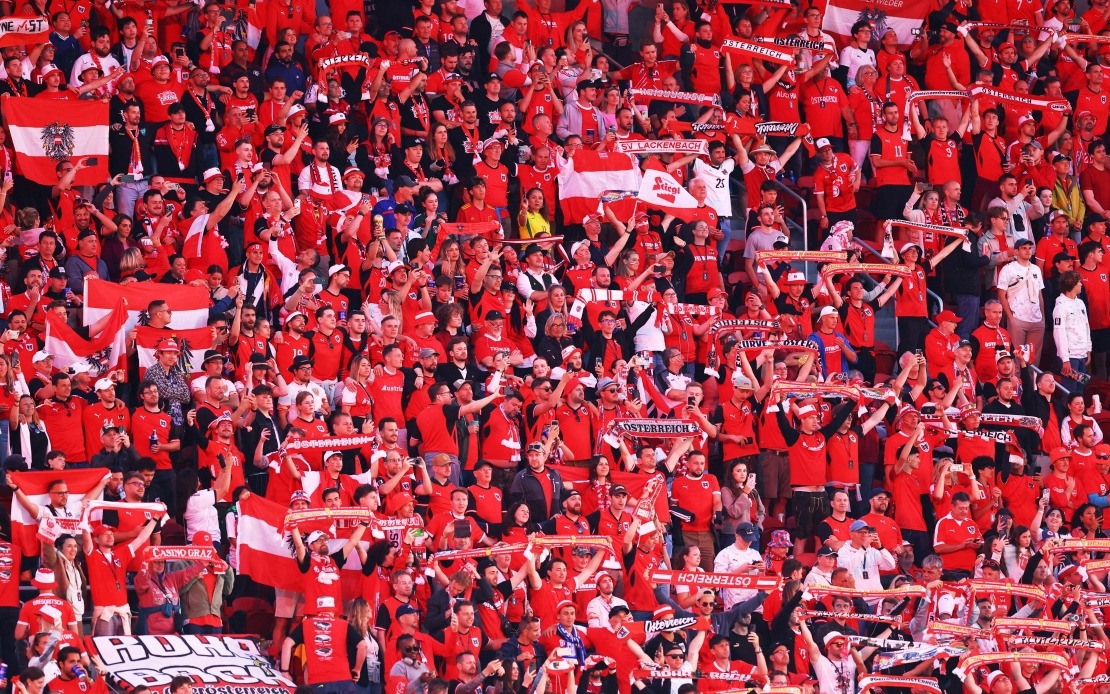
The FIFA World Cup in North America has drawn a strong initial attendance, with officials announcing that more than one million spectators filled the first 16 matches of the tournament. According to FIFA's figures released on June 17, a total of 1,028,429 fans were present at matches through the opening Monday, translating to stadium occupancy rates of 99.34 per cent. The milestone comes as the sport's governing body seeks to demonstrate the success of its decision to expand the event and introduce a three-host format spanning the United States, Mexico, and Canada.
The robust attendance figures represent a turnaround from pre-tournament anxieties about fan engagement. In the weeks before the competition began, ticket pricing had drawn substantial criticism from supporters' groups and media observers who worried that inflated costs would deter casual fans and create rows of unfilled seats. Early evidence seemed to vindicate these concerns when the South Korea versus Czech Republic match in Guadalajara last Thursday and the Qatar versus Switzerland encounter in the Bay Area on Saturday both displayed visible pockets of empty seating, prompting questions about whether the tournament would struggle to maintain compelling atmospheres.
FIFA president Gianni Infantino capitalised on the million-fan milestone by celebrating with Aaron Bren, a supporter chosen to represent the symbolic figure, and posting the encounter across his Instagram account. In his accompanying message, Infantino expressed gratitude to what he characterised as passionate supporters, framing their attendance as central to the tournament's character. He described the World Cup as the most inclusive iteration of the competition to date, suggesting that the expansion to three nations and the increased number of participating teams had broadened the event's appeal across the North American region.
Behind the celebratory messaging, however, significant concerns about spectator safety and management have surfaced from experienced monitoring groups. Football Supporters Europe, a prominent advocacy organisation representing fan interests across the continent, has flagged the absence of traditional segregation protocols as a potentially problematic development. Ronan Evain, the executive director of the group, spoke to BBC Sport about the risks inherent in allowing opposing supporters to intermix without designated sections, a practice that has become standard at major football tournaments over the past two decades.
Evain's criticism focuses on both the philosophical and practical dimensions of FIFA's approach. He argued that the lack of separation between rival fan bases runs counter to established best practice for tournaments of this magnitude, suggesting that FIFA's decision represents a departure from safety standards that have been refined through years of experience managing large sporting crowds. The concern is not merely theoretical; football history includes numerous incidents where insufficient crowd management contributed to violence, disorder, or genuine safety emergencies that marred the sporting spectacle.
The underlying structural problem, according to Evain, lies in FIFA's ticketing strategy and the secondary market dynamics it has created. By aggressively promoting ticket sales and then permitting extensive resale through various channels, FIFA has relinquished meaningful knowledge of who actually holds tickets for any given match. This information gap means that stadium operators and security personnel cannot reliably predict fan composition or identify potential flashpoints before they develop. When tickets are freely traded among individuals across the globe, the traditional channels through which supporter clubs and national associations could ensure their members were seated in designated zones have been substantially undermined.
FIFA has attempted to address these concerns by pointing to its allocation system for the most committed supporters. The organisation notes that each participating nation receives a designated "participant member association" or PMA allocation, which reserves blocks of tickets specifically for that country's most loyal fan bases. These sections, which FIFA describes as "ring-fenced," are theoretically meant to concentrate hardcore supporters and create the traditional separated supporter zones familiar from previous tournaments. However, critics suggest that this allocation, while valuable, may be insufficient to manage the broader crowd composition once general sale tickets begin circulating through secondary markets.
The contrast between the impressive raw attendance numbers and the underlying management questions reflects a tension at the heart of FIFA's modern tournament strategy. On one hand, the organisation has successfully attracted large numbers of spectators, suggesting that the expansion formula and continental spread are genuinely appealing to North American audiences. Stadiums operating at over 99 per cent capacity represent a remarkable achievement in any sporting context, particularly when ticket prices had been a barrier to participation for significant segments of the potential audience.
On the other hand, the apparent prioritisation of attendance volume and commercial revenue through flexible ticketing approaches has created unforeseen complications for the operational and safety dimensions of tournament management. The millions of fans moving through stadiums in an environment where traditional segregation has been minimised present challenges that security professionals and fan safety advocates take seriously. These concerns operate independently of the positive attendance story; robust crowds and secure, well-managed environments are not automatically incompatible, but they do require careful coordination and planning.
For Malaysian football enthusiasts and the broader Southeast Asian sporting community, the World Cup attendance dynamics carry particular relevance. As emerging football markets in Asia continue to develop larger fan bases and aspire to hosting major tournaments, the North American experience offers lessons about both the opportunities and challenges of expanding tournament access. The strong attendance indicates genuine appetite for world-class football across continental markets beyond traditional European strongholds. Simultaneously, the segregation and crowd management issues highlight that increased participation brings obligations to maintain standards of spectator safety that should not be compromised in pursuit of attendance records or commercial targets.
As the tournament progresses and additional matches are played, FIFA's attendance figures and the actual experiences of fans at grounds will continue to inform debate about whether the expansion format succeeds on its own terms. The opening phase suggests that the three-nation model can draw significant crowds, but the broader question of whether it enhances or diminishes the World Cup experience will depend on whether the tournament can maintain both its impressive attendance levels and its commitment to supporter safety and inclusive environments for all fans, regardless of national allegiance.