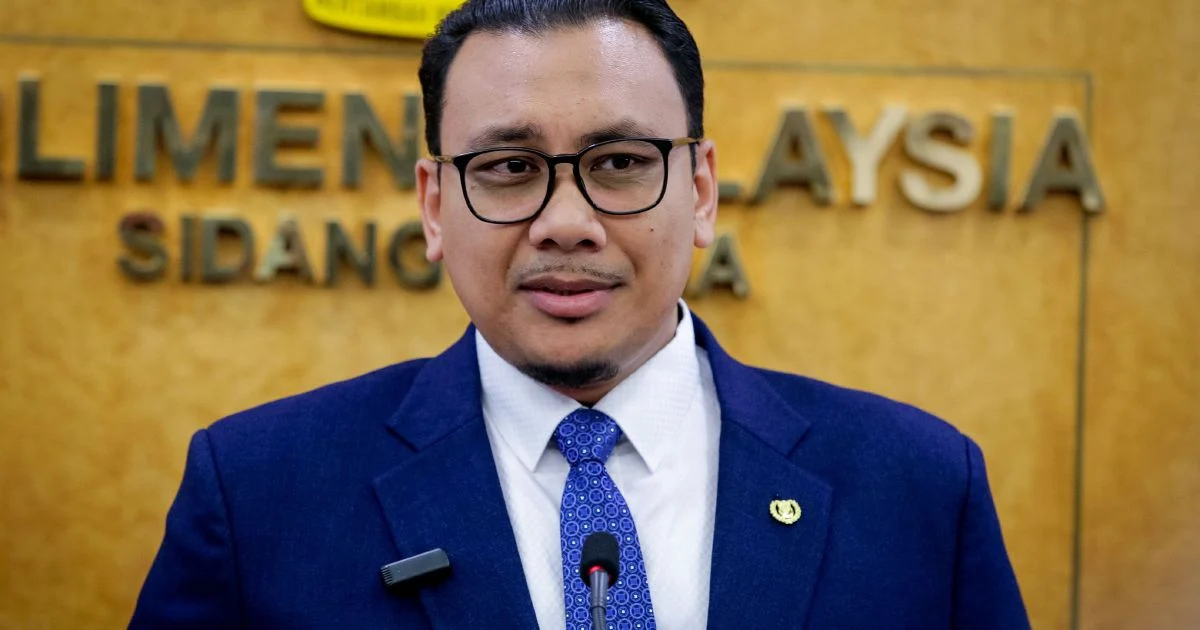
The youth wing leader of PAS, Afnan Hamimi Taib Azamudden, has directed his lawyers to commence legal proceedings after a Facebook post attributed to a Bersatu representative allegedly made derogatory comments about his father and relatives. The decision marks an escalation in tensions between the two Malay-Muslim political parties, which have clashed repeatedly over the past year on matters of governance and representation within the government coalition.
The incident underscores the growing use of social media platforms as battlegrounds for political disputes in Malaysia, where unverified posts and allegations can spread rapidly and damage reputations before formal responses materialize. In the Malaysian political landscape, such moves to pursue legal recourse have become increasingly common when politicians perceive their families have been unfairly targeted or verbally attacked online. The strategy reflects broader concerns about maintaining personal dignity and family honour within the context of intense party politics.
Afnan Hamimi's decision to escalate the matter through formal legal channels rather than responding solely through public statements or social media indicates the seriousness with which he views the alleged transgression. This approach is consistent with Malaysian norms where family matters are considered deeply personal, and public attacks on relatives are particularly offensive within the cultural context. The move also signals that PAS Youth intends to establish boundaries regarding acceptable discourse in political competition.
The tension between PAS and Bersatu has intensified significantly since both parties entered the federal government coalition following the 2022 general election. While they initially maintained a collaborative relationship, disagreements over policy direction, ministerial positions, and ideological matters have created friction within their shared political space. These periodic conflicts often spill over into public discourse, with both parties' figures making critical statements about each other's leadership and conduct.
The naming of a Bersatu leader in connection with the Facebook post is particularly significant given that Bersatu, originally an offshoot of the United Malays National Organisation, has positioned itself as a reformist alternative within the Malay political establishment. However, its alliance with PAS and other coalition parties has sometimes created uncomfortable political partnerships, particularly when addressing matters affecting Malay and Muslim constituencies. Disputes between coalition members frequently become public relations challenges that require delicate handling.
From a broader perspective, the incident reflects how digital platforms have fundamentally altered political contestation in Malaysia. Facebook, despite its aging demographic profile, remains a primary platform where Malaysian politicians engage with constituents and launch political attacks. The relative anonymity and speed of digital communication can sometimes encourage more aggressive rhetoric than traditional media interactions, where journalistic gatekeeping and verification processes impose greater discipline on public statements.
The legal action route chosen by Afnan Hamimi raises important questions about the threshold for pursuing defamation or related charges in Malaysian courts. Determining whether social media posts constitute actionable insults requires careful legal analysis, and Malaysian courts have developed varying standards regarding what constitutes unacceptable public discourse. The case could potentially establish precedent regarding the responsibilities of political figures using social platforms and the extent to which their relatives should be considered fair game in political debate.
PAS, which has held significant influence within the government coalition due to its substantial parliamentary representation, has been particularly protective of its public image following various controversies in recent years. The youth wing, in particular, has worked to establish itself as a progressive voice within the conservative party structure. Taking decisive action against alleged personal attacks serves to project strength and protect the organization's standing among supporters who expect their leaders to respond firmly to disrespect.
The decision also carries implications for the broader coalition dynamics within Malaysia's government. If legal proceedings advance, they could further strain relations between PAS and Bersatu at a time when the coalition government requires stability and unified messaging. Such internal conflicts, when aired publicly, can provide ammunition for opposition parties and undermine the government's credibility with voters. Both parties therefore face pressure to resolve the matter discreetly if possible, even as Afnan Hamimi pursues his legal remedies.
For Malaysian observers and political analysts, the incident highlights enduring challenges within coalition governance, where parties with distinct identities and constituencies must navigate disagreements without allowing them to destabilize the government. The reliance on legal mechanisms to address political disputes, while establishing important boundaries, can also become counterproductive if allowed to escalate unnecessarily. The coming months will reveal whether this matter remains isolated or becomes emblematic of deeper fractures within the administration's political alliances.