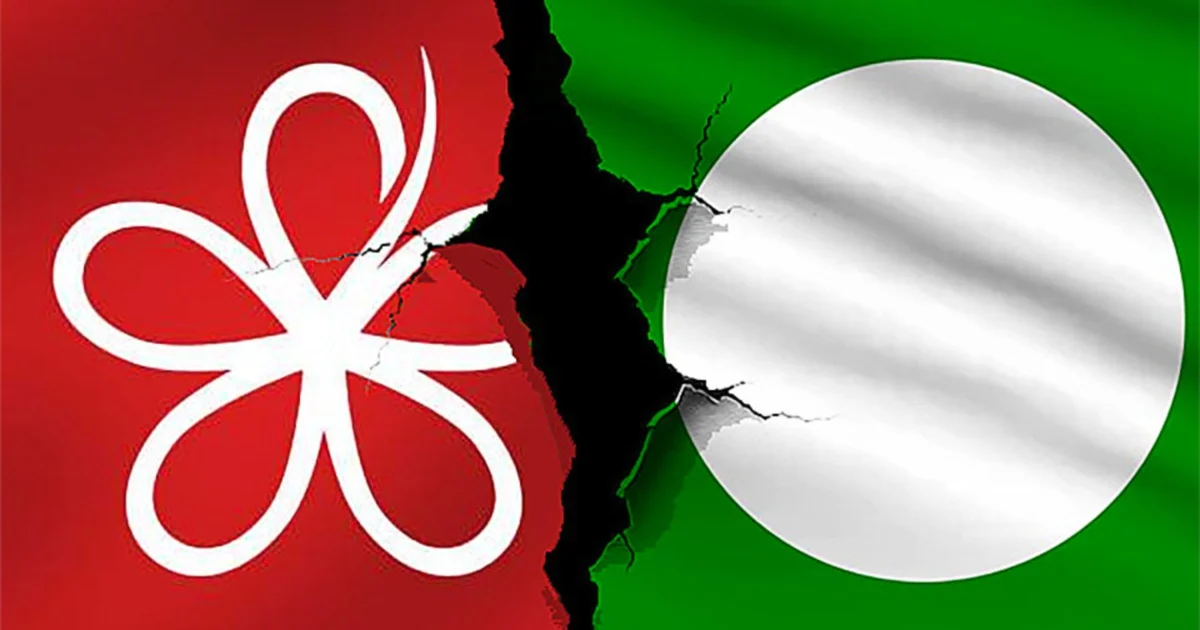
The internal dynamics of Perikatan Nasional are showing signs of strain as PAS considers more aggressive moves to reshape the coalition's composition. Political observers warn that such a strategy, particularly any effort to remove Bersatu from the alliance, carries considerable electoral risks that the Islamist party may struggle to recover from. The prospective loss of moderate voter confidence represents a particularly delicate vulnerability for an organisation seeking to broaden its appeal beyond its traditional base.
PAS has historically occupied a distinct position within Malaysia's political landscape as an Islamic-oriented party with grassroots support concentrated in rural areas and among conservative constituencies. However, the party's performance in recent electoral cycles has highlighted its ongoing dependence on coalition partners to achieve broader representational goals. Bersatu, despite its more recent origins, has accumulated meaningful influence within Perikatan Nasional through its strategic positioning and connection to former Prime Minister Mahathir Mohamad's political machinery. The relationship between these two entities has never been entirely frictionless, with doctrinal differences and competition for regional political dominance creating periodic tensions.
Any attempt by PAS to engineer Bersatu's departure from the coalition would signal to centrist and secular-leaning voters that the party prioritises ideological consolidation over pragmatic governance. Moderate Malaysians, who often constitute the decisive swing constituency in tight electoral contests, may interpret such a manoeuvre as evidence that PAS is becoming increasingly hardline and less interested in accommodating diverse viewpoints within a governing coalition. This perception poses particular difficulties during periods when voters demonstrate heightened sensitivity to concerns about religious policy, minority rights protections, and inclusive national development frameworks.
The analytical perspective offered here reflects broader patterns in Southeast Asian coalition politics, where parties often face a fundamental tension between satisfying activist bases and maintaining sufficient centrism to win general elections. PAS has managed, at various junctures, to navigate this tension through careful coalition selection and coalition management strategies that telegraphed moderation without alienating core supporters. A confrontational approach toward removing Bersatu would abandon this delicate equilibrium and instead embrace a more confrontational posture that may energise hardline elements within PAS while simultaneously pushing away swing voters whose electoral participation typically determines election outcomes.
Geographically, the implications vary across Malaysian states where PAS and Bersatu maintain different levels of organisational strength and voter allegiance. In Terengganu, Kelantan, and certain other states, PAS commands overwhelming support that would remain relatively stable regardless of coalition composition. However, in states where neither party maintains overwhelming dominance, and where coalitions genuinely determine electoral outcomes, a fracturing of Perikatan Nasional could prove destructive for both organisations. Moderate voters in these contested regions would likely punish whichever party appeared responsible for coalition instability and internal conflict.
Bersatu's position within Malaysian politics remains somewhat unique given its origins within the ruling establishment and its relatively recent formation. The party appeals to specific demographic segments and geographic constituencies that do not entirely overlap with PAS's voter profile. This distinction actually provides value to Perikatan Nasional as a coalition, since complementary voter bases can theoretically expand the alliance's aggregate electoral reach. Removing this complementary element would concentrate the coalition more narrowly within conservative and Islamist constituencies, potentially reducing its capacity to contest effectively across the full spectrum of Malaysian electoral districts.
The timing of any such manoeuvre would matter considerably for its political consequences. Should PAS pursue Bersatu's removal during a period of economic uncertainty or heightened public concern about governance effectiveness, voters may view the internal coalition conflict as evidence of political dysfunction and leadership distraction from pressing national problems. Conversely, if implemented during periods when public attention focuses on identity politics and religious-cultural issues, the manoeuvre might resonate more effectively with core PAS supporters, though at the cost of alarming moderates across the broader electorate.
Historical precedent from other Malaysian coalition arrangements suggests that publicly hostile removal of coalition partners typically creates narrative damage that extends beyond the immediate incident. Voters develop impressions of unreliability and internal conflict that prove difficult to reverse through subsequent messaging campaigns. The damage compounds if the removed party subsequently campaigns against its former allies, creating opportunities for opposition coalitions to portray governing arrangements as unstable and prone to further fragmentation.
For PAS specifically, the strategic calculation involves weighing short-term satisfaction of organisational hardliners against longer-term electoral viability in a competitive national system. The party's demonstrated capacity to win elections relies substantially on coalition governance that appears simultaneously coherent and accommodating of diverse perspectives. Pursuing Bersatu's removal would represent a significant departure from this successful formula and would require offsetting gains from core voter mobilisation simply to maintain previous electoral performance levels. Given Malaysia's tightly balanced electoral environment where governments frequently depend on relatively small voter margins, such a high-risk gambit carries genuine potential for substantial political damage.