Penang becomes the epicentre of Malaysian journalism tomorrow as the National Journalists' Day summit—known as HAWANA 2026—reaches its crescendo, convening nearly 1,000 media professionals to reaffirm the profession's commitment to truth-telling and public service. The event, organised by the Ministry of Communications through national news agency Bernama, represents the culmination of months of preparation and underscores the government's recognition of the media's foundational role in democratic society. With the theme "Media Integrity Strengthens Credibility", the gathering addresses persistent concerns about information reliability in an era marked by misinformation and eroding trust in institutions.
Prime Minister Datuk Seri Anwar Ibrahim will formally open proceedings at 3 pm, lending significant political weight to the occasion and signalling the administration's investment in press freedom and professional standards. His presence alongside senior government figures, including Penang Chief Minister Chow Kon Yeow and Communications Minister Datuk Fahmi Fadzil, demonstrates coordinated commitment at both federal and state levels to celebrating and strengthening the media sector. The attendance of Bernama chairman Datuk Seri Wong Chun Wai and chief executive officer Datin Paduka Nur-ul Afida Kamaludin, along with executives from leading media organisations, reflects the comprehensive participation of industry stakeholders in this important professional gathering.
The decision to hold the summit in Penang carries symbolic significance for regional media dynamics in Southeast Asia. As a state with considerable media activity and a historically engaged civil society, Penang represents an appropriate venue for discussing journalism standards and professional development. The relocation of HAWANA's culminating event across different states year to year also ensures that local media communities throughout Malaysia remain connected to national professional conversations and benefit from exposure to industry leaders and international best practices in news gathering and editorial integrity.
Datin Paduka Nur-ul Afida, chairing the HAWANA 2026 Working Committee, articulated a vision extending beyond ceremonial celebration. She emphasised the event's function as a genuine networking platform where journalists strengthen professional bonds, access mentorship opportunities, and collectively consider contemporary challenges facing the industry. This framing reflects evolving attitudes within Malaysian journalism, where professional solidarity and continuing education increasingly take precedence over traditional commemoration. The summit explicitly aims to narrow the gap between media institutions and public understanding, recognising that credibility restoration requires transparency about journalistic processes and values.
The participation of MyCreative Venture, a Ministry of Communications agency partner, introduces cultural dimensions to HAWANA 2026 through the integrated RIUH Pi HAWANA Carnival. Operating over three days at the PICCA Convention Centre, this carnival programme features performances by local artists including Exists, Bunkface, Masdo, Sakura Band, Budak Nakal Hujung Simpang, and Chelsea Ng, creating an accessible entry point for general audiences to engage with media practitioners beyond formal discussions. The inclusion of 24 local creative product brands, 20 food and beverage vendors, and interactive workshops transforms the event from an industry-exclusive gathering into a genuine community engagement exercise, acknowledging that media credibility ultimately rests upon public perception and understanding.
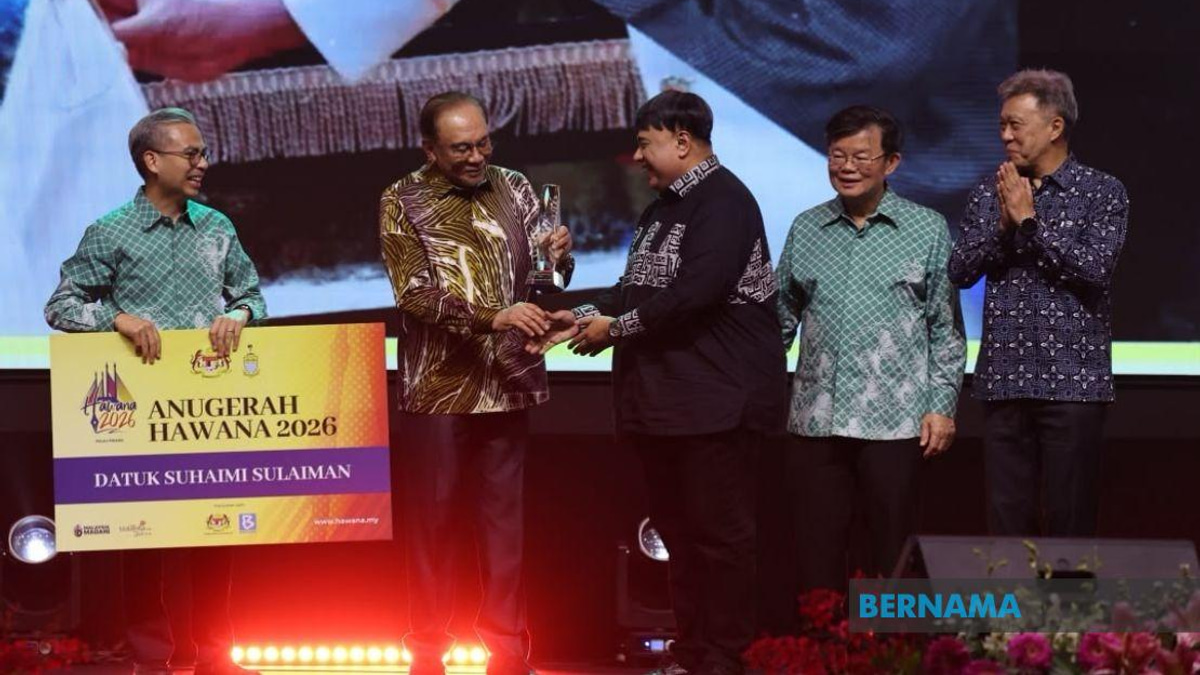
During the summit, Prime Minister Anwar Ibrahim is scheduled to distribute contributions from Tabung Kasih@HAWANA to journalists requiring assistance, a welfare programme reflecting the profession's commitment to supporting members facing hardship. Additionally, he will present awards to HAWANA-DBP Pantun Festival winners and confer HAWANA Awards and HAWANA Special Awards upon individuals whose careers have significantly advanced journalism and public discourse. These recognition ceremonies serve dual purposes: honouring exemplary practitioners while establishing professional standards that younger journalists might emulate. Such formal acknowledgment of excellence arguably carries greater weight in Malaysian media culture than purely financial incentives.
The broadcast strategy amplifies the summit's reach substantially beyond Penang's geographical boundaries. Live coverage through Bernama TV, followed by relay broadcasting on RTM and TV AlHijrah, ensures that journalists unable to attend physically can still participate in key deliberations and witness award presentations. The strategic integration of social media platforms extends accessibility further, particularly among younger practitioners and journalism students who predominantly consume content digitally. This multimedia approach recognises the fragmented media landscape where no single broadcast platform captures the entire professional audience.
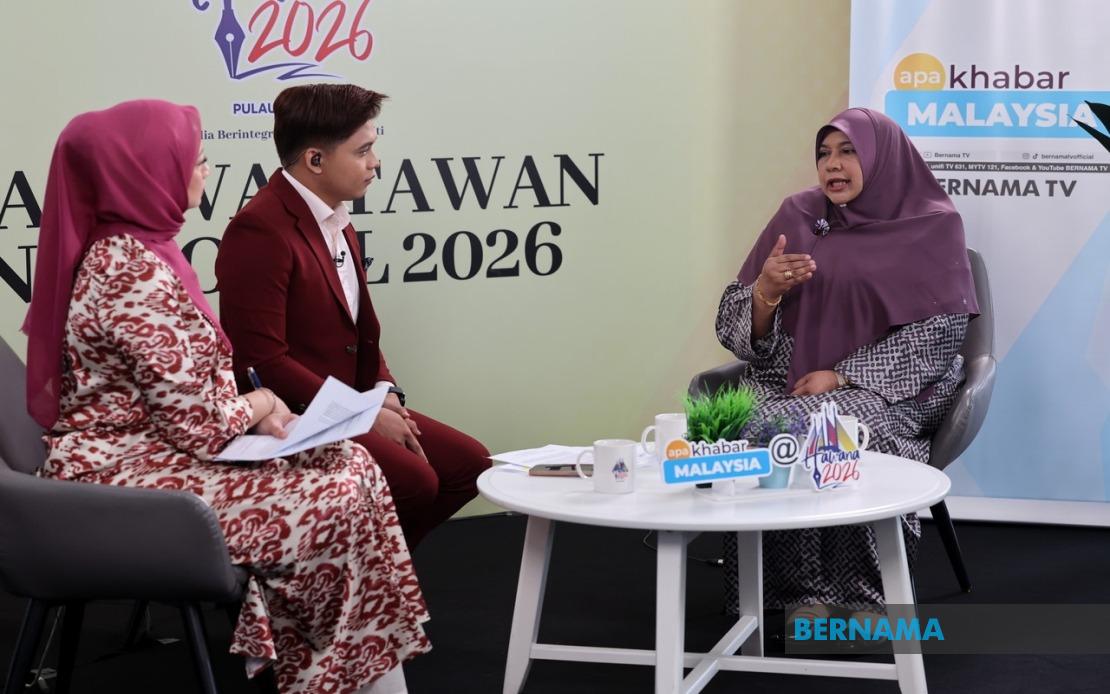
The broader HAWANA 2026 calendar demonstrates systematic effort to maintain professional engagement throughout the year. The May 7 HAWANA 2026 Media Forum, June 4 Strategic Partner Meeting, and June 14 Fun Walk HAWANA 2026 created multiple entry points for journalists to participate, network, and reflect on professional challenges. This distributed programming approach differs from historical models where single events dominated the calendar, allowing journalists with varying schedules and interests to engage meaningfully. The Fun Walk's participation figures suggest that celebratory elements genuinely attract broad professional involvement rather than merely appealing to senior administrators.
The historical context of HAWANA—commemmorating Utusan Melayu's publication on May 29, 1939—grounds contemporary celebration in Malaysia's enduring journalism tradition. This annual observance on May 29 connects modern practitioners to nearly a century of continuous news gathering, editorial decision-making, and public service through reporting. That tradition persists despite numerous technological disruptions, economic pressures, and political challenges suggests journalism's institutional resilience in Malaysian society. However, the specific emphasis on integrity and credibility in HAWANA 2026's theme tacitly acknowledges that this inheritance requires constant renewal and recommitment.
For Malaysian readers and the broader Southeast Asian media ecosystem, this summit carries implications extending beyond professional recognition. The region faces intensifying competition between commercial pressures, political interference, and audience demands for instantaneous information—forces that frequently compromise editorial independence and reporting accuracy. By convening 1,000 practitioners to explicitly discuss media integrity, Malaysia's journalism community positions itself against these corrosive tendencies. The international participation expected at the summit offers opportunities for knowledge exchange with counterparts navigating similar challenges in neighbouring countries, potentially strengthening regional journalism standards and cross-border professional collaboration.
The Penang State Government's involvement through Tun Ramli Ngah Talib's attendance and hosting of an official dinner signals that state-level authorities increasingly recognise journalism's importance to transparent governance and public accountability. This engagement pattern, replicated through HAWANA celebrations in different states, arguably distributes media awareness more equitably across Malaysia's federal structure. Regional media practitioners often feel marginalised relative to Kuala Lumpur-based counterparts, but participation in nationally significant events in their own territories elevates local journalism's professional standing and connects provincial newsrooms to national conversations.
The coordinated timing of HAWANA 2026's conclusion with the carnival's three-day run creates extended media presence in Penang, generating sustained visibility for the profession among general audiences. This extended engagement model reflects sophisticated understanding that single-day events rarely penetrate public consciousness sufficiently to reshape attitudes toward journalism. By distributing programming across multiple days and venues, with varying levels of formality and accessibility, HAWANA 2026 maximises opportunities for members of the public to encounter journalists in multiple contexts—as authoritative speakers, as carnival performers, and as community members. Such repeated exposure potentially builds empathy and understanding for journalistic challenges that abstract discussions of media integrity cannot achieve alone.
Looking forward, the mechanisms established through HAWANA 2026 may inform how Malaysian journalism organisations approach professional development and public engagement. The integration of cultural programming with formal professional discussion, the multimedia broadcasting strategy, and the deliberate cultivation of networking opportunities represent evolving industry practice. As digital disruption continues fragmenting media audiences and algorithmic distribution challenges traditional editorial authority, journalism communities require increasingly sophisticated approaches to maintaining professional standards and public trust. HAWANA 2026's model—combining formal recognition, community engagement, international participation, and deliberate professional reflection—suggests a sector increasingly serious about addressing fundamental credibility challenges through comprehensive, year-round commitment rather than periodic commemoration.