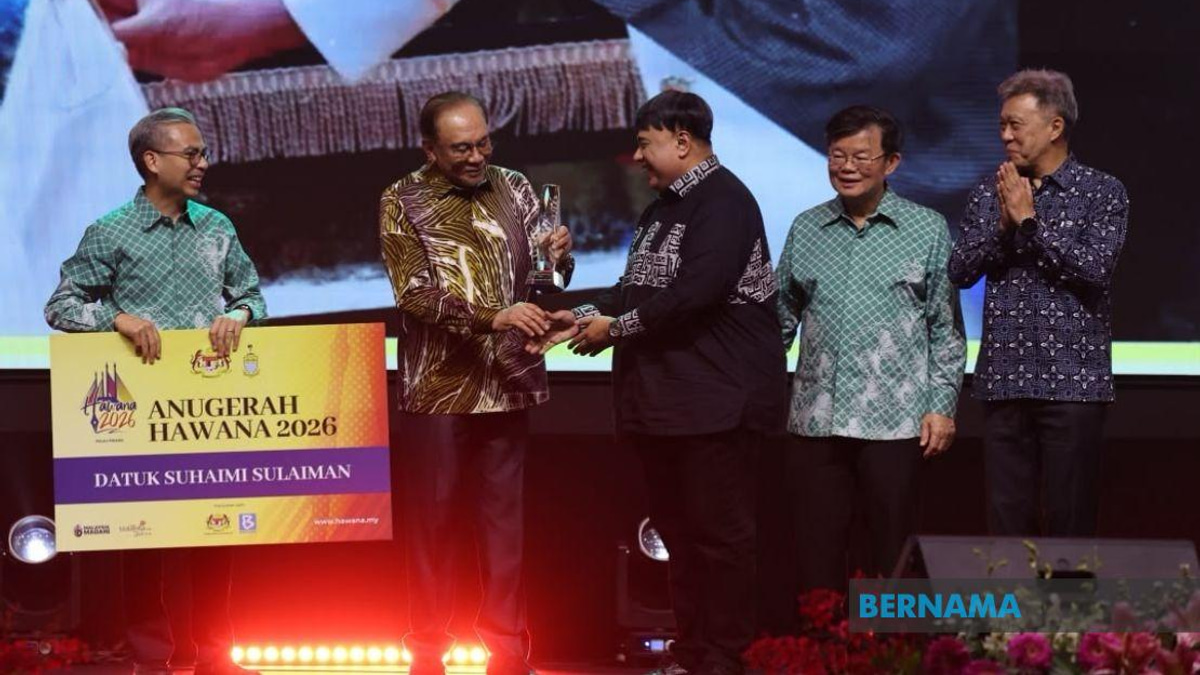
Penang police have rolled out an extensive security and traffic control plan for the HAWANA 2026 National Journalists' Day celebrations at PICCA Convention Centre @ Butterworth Arena, with assurances that the three-day event will proceed smoothly without causing major disruptions to residents' daily routines. Penang police chief Datuk Azizee Ismail emphasized that proactive operational measures—tested and refined during Malaysia Day 2025 celebrations at the same venue—will keep the region functioning normally while accommodating the anticipated influx of visitors and media professionals.
The scale of this year's gathering underscores the importance being placed on the event. Prime Minister Datuk Seri Anwar Ibrahim will officially open the HAWANA 2026 Summit on June 20, with approximately 1,000 media practitioners expected from Malaysia and overseas. The event carries the theme "Media Integrity Strengthens Credibility," positioning it as a significant platform to recognize the work of journalists and media professionals across the country. Organized by the Ministry of Communications with Bernama as the implementing agency, the summit represents a culminating recognition of media contributions to national discourse.
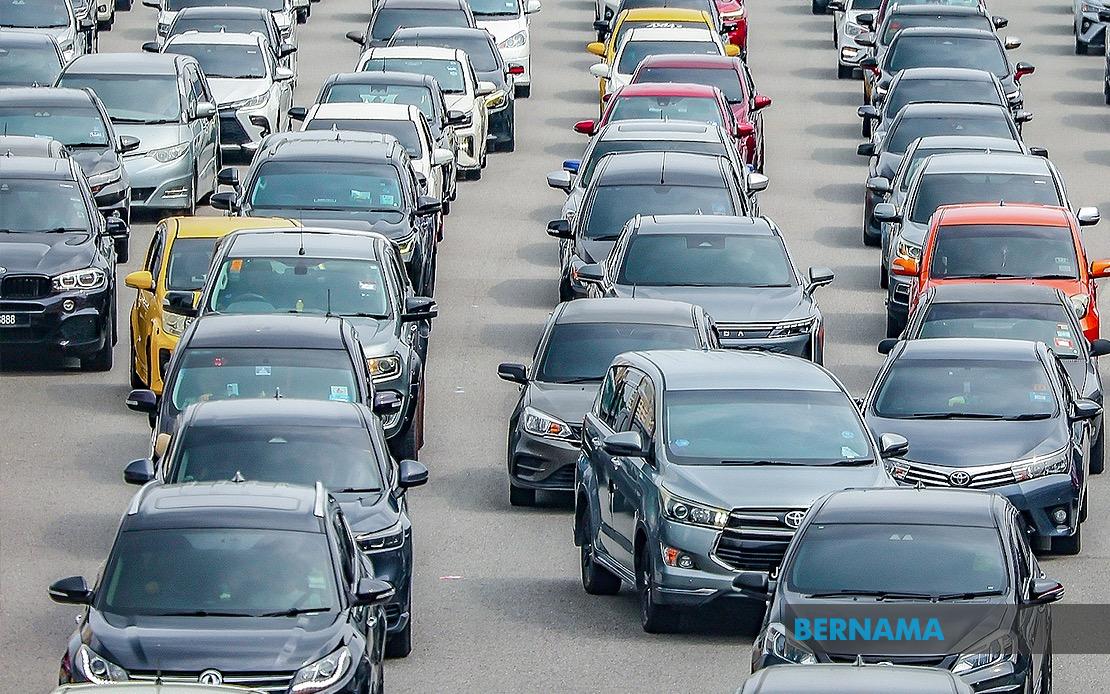
A critical concern for authorities has been preventing traffic gridlock around the venue. Rather than implementing blanket road closures—a measure that would inconvenience residents and commuters—police have opted for a more nuanced approach. The main thoroughfares surrounding PICCA will remain open throughout the programme, though traffic police will implement strategic diversions at key points to maintain smooth vehicle flow. The deployment strategy mirrors the scale used during Malaysia Day 2025, indicating confidence in a proven model while ensuring consistency in operational response.
Traffic management will be particularly visible at major intersections, where police personnel will be stationed to actively direct vehicle movement and respond to congestion in real time. This staffing level reflects the experience gained from the previous large-scale event, suggesting that Penang police have calibrated their personnel allocation based on actual traffic patterns rather than generic assumptions. The presence of officers at strategic points allows for dynamic adjustment rather than rigid, pre-set diversions that may prove ineffective if conditions change.
Datuk Azizee's statement to Bernama stressed that public cooperation will be essential to the operation's success. Residents and road users have been advised to follow traffic personnel instructions and, critically, to plan journeys in advance to sidestep congestion in surrounding areas. This public advisory reflects a recognition that even well-designed traffic management systems depend on informed participation from the community. By encouraging advance planning, authorities hope to spread traffic demand across different times rather than concentrating vehicles during peak event hours.
The broader security posture extends beyond traffic management to encompassing venue safety and crowd control. The comprehensive nature of these preparations reflects the sensitivity of hosting 1,000 media practitioners at a government-sponsored event, where security cannot be visibly heavy-handed yet must remain effective. The parallel with Malaysia Day 2025 operations provides a tested template, reducing the likelihood of unforeseen gaps in the security framework.
Beyond the summit itself, the RIUH Pi HAWANA Carnival will transform the convention centre into a public attraction spanning three days starting Friday. This carnival component is projected to draw approximately 30,000 visitors, substantially increasing the total footfall at the venue. The carnival will feature more than 24 local creative product brands and 20 food and beverage vendors, creating an economically vibrant event while offering free admission with 16 stage performances showcasing local artists including Exists, Bunkfac, Masdo, Sakura Band, Budak Nakal Hujung Simpang, and Chelsea Ng.
The carnival's inclusion within the HAWANA 2026 framework suggests an effort to blend professional media recognition with public engagement and economic activity. By incorporating creative industries, food entrepreneurs, and live entertainment, organizers have created a multifaceted event that serves professional purposes while generating community interest and supporting small businesses. This approach may set a template for future government-sponsored events seeking to maximize broader impact beyond their primary audience.
For Malaysian readers, the HAWANA 2026 preparations illustrate how authorities approach large-scale public events in densely populated areas. The commitment to keeping main roads open reflects an increasing sophistication in traffic management, moving away from wholesale closures toward targeted interventions. This methodology has implications for other regions in Malaysia and Southeast Asia that regularly host significant gatherings, as the Penang approach demonstrates that accessibility and security need not be mutually exclusive when properly coordinated.
The decision to base current plans directly on Malaysia Day 2025 experience represents institutional learning in action—a relatively rare example of government agencies systematically applying lessons from one event to subsequent ones. The consistency in personnel deployment and operational strategy suggests confidence in the previous year's execution and a desire to minimize variables that might affect outcomes. However, success will ultimately depend on whether the anticipated attendance figures align with planning assumptions and whether unexpected circumstances can be absorbed by the flexible elements built into the plan.