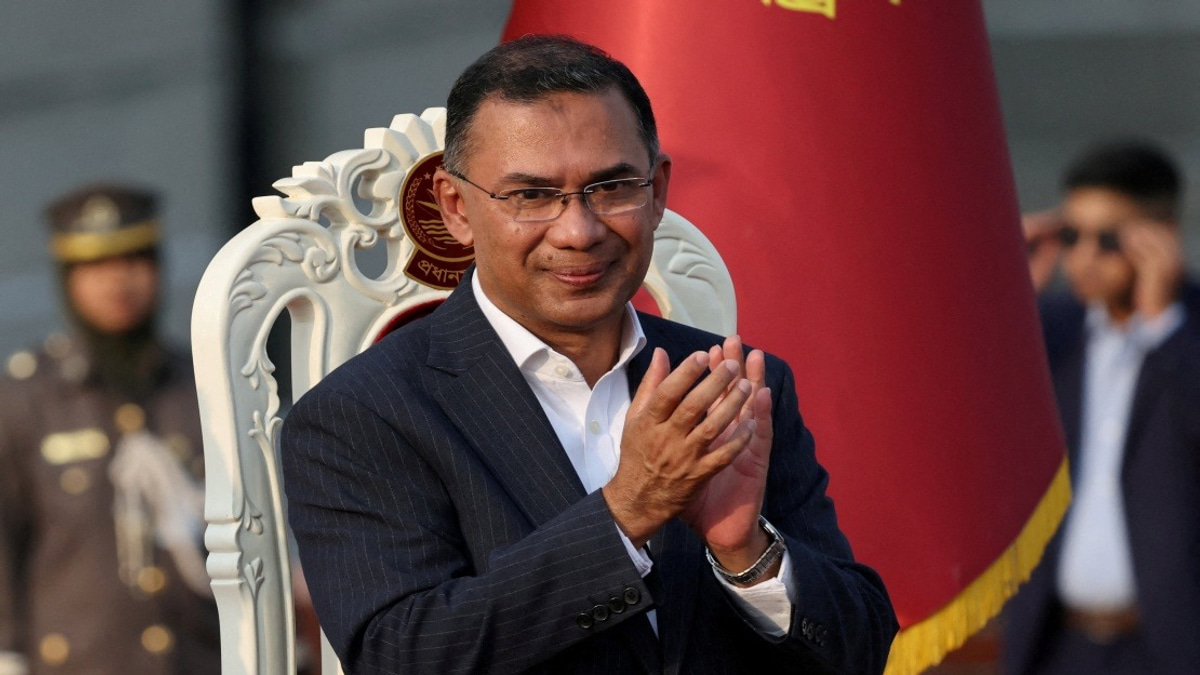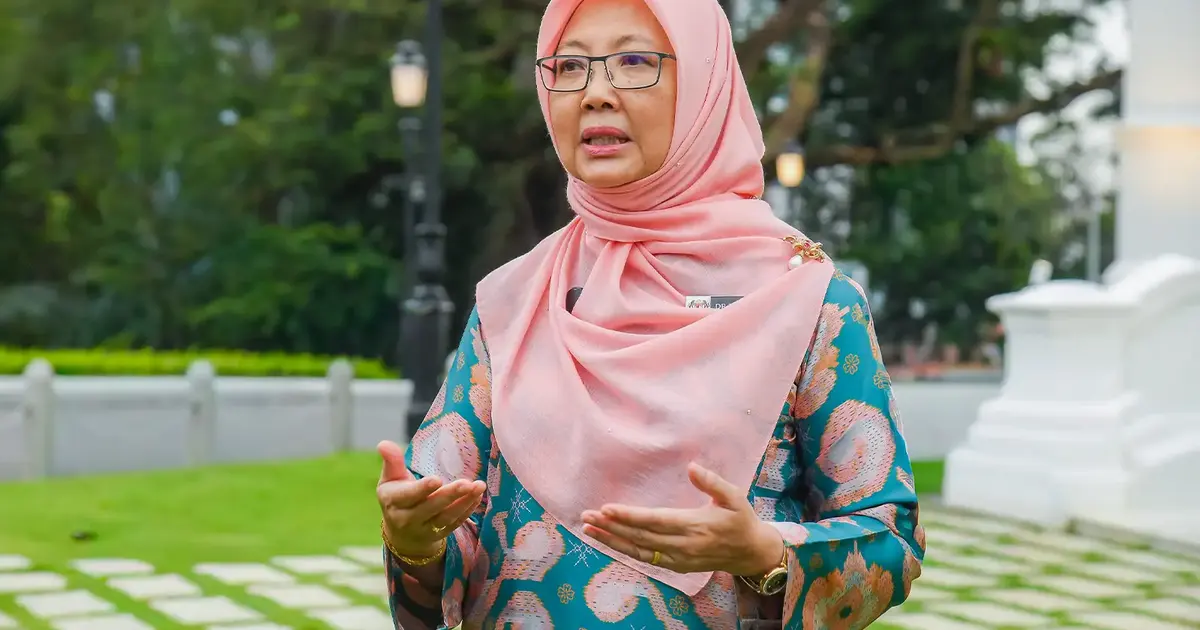
PKR vice-president Zaliha has expressed bewilderment at Johor Barisan Nasional chairman Onn Hafiz Ghazi's insistence that Pakatan Harapan name its poster boy for the forthcoming Johor state elections, characterising the demand as logically inconsistent given the inherent uncertainties of electoral politics. The opposition coalition member's critique touches on a fundamental disconnect between BN's expectations and the realities of how state governments are formed in Malaysia's electoral system.
The crux of Zaliha's objection revolves around a critical point: there is no categorical assurance that even if Pakatan Harapan successfully fields a high-profile candidate as its flagship figure, that individual will ultimately be appointed menteri besar following the elections. This observation reflects the complex power dynamics that frequently emerge after state elections in Malaysia, where coalition negotiations, party dynamics, and institutional factors can substantially influence leadership outcomes regardless of who leads the campaign.
Onn Hafiz Ghazi's call for the opposition to publicly identify and promote a single poster boy represents a familiar political strategy in Malaysian electoral contests. By pushing the opposition to make such commitments publicly, BN may be calculating that it can use any eventual deviation from announced plans as a weapon during the campaign, potentially undermining the coalition's credibility with voters. However, Zaliha's pushback suggests that Pakatan Harapan is reluctant to play into what it perceives as a trap or an unreasonable demand.
For Malaysian political observers and voters, this exchange underscores the gap between electoral campaigning rhetoric and post-election political realities. In recent years, various state elections and subsequent government formations have demonstrated that the candidate or figure who leads a coalition's campaign effort may not necessarily be the same person who assumes the chief minister's position. Such outcomes stem from coalition agreements, seat allocations among partner parties, and other negotiations that only become fully resolved after voters have cast their ballots.
The broader implications for Johor politics are significant, as the state represents one of Malaysia's most politically consequential arenas. Johor has historically served as a crucial power base and holds considerable symbolic weight within both the ruling and opposition coalitions. Any election outcome in the state reverberates across the country's political landscape, influencing narratives about momentum, coalition stability, and the direction of national politics.
Zaliha's statement also reflects a pragmatic approach by Pakatan Harapan, which may prefer to retain flexibility in its leadership strategies rather than committing prematurely to a specific candidate for the menteri besar post. This flexibility could prove advantageous in negotiations with coalition partners after the election results are announced, allowing space for discussions about power-sharing arrangements and the optimal allocation of leadership roles.
The tension between BN's demand and PH's reluctance to comply illustrates how Malaysian political coalitions frequently operate with different calculations about transparency and commitment. While BN frames its demand as a matter of clarity and legitimacy—suggesting that voters deserve to know who will lead if the opposition wins—Pakatan Harapan's resistance hints at a preference for maintaining strategic options and protecting internal coalition dynamics from public scrutiny during the campaign phase.
From a voter's perspective, the debate highlights an important reality about Malaysian democracy: the electoral process itself and the subsequent government formation process operate as two distinct phases with different rules and participants. Understanding this distinction is crucial for voters in Johor and elsewhere who may wonder why campaign promises about specific leaders sometimes translate differently into actual administrative structures after elections conclude.
Onn Hafiz Ghazi's position as Johor BN chairman means his perspective carries particular weight within the ruling coalition's machinery in the state. His call for opposition transparency may also serve to energise BN's support base by positioning the coalition as the more forthcoming and accountable option, even as critics might argue that such demands constitute a political manoeuvre rather than a genuine commitment to electoral fairness.
For Southeast Asian readers monitoring Malaysian politics, this episode demonstrates how coalitional democracy functions in practice. Unlike presidential systems where the executive leader is directly elected, Malaysia's parliamentary framework permits considerable variation between campaign faces and actual government leaders. This flexibility has both advantages and disadvantages: it allows for coalition-building and compromise but can also frustrate voters seeking clarity about who will govern.
Looking ahead, the Johor electoral contest will likely proceed without Pakatan Harapan formally capitulating to BN's demand for a predetermined poster boy, suggesting that the campaign will be fought with a degree of ambiguity about the opposition's intended leadership. Such ambiguity may disadvantage PH with some voters who prefer certainty, but it also preserves the coalition's internal flexibility and prevents the kind of rigid commitments that could become liabilities if circumstances change between the campaign phase and government formation.
The broader political context in Johor, encompassing demographic shifts, economic concerns, and the performance of the current administration, will likely prove more decisive for voters than the question of whether Pakatan Harapan names its preferred menteri besar candidate in advance. Zaliha's dismissal of Onn Hafiz Ghazi's demand thus reflects a judgment that substantive policy issues and governance track records matter more to Johor voters than conforming to the ruling coalition's expectations about campaign transparency.