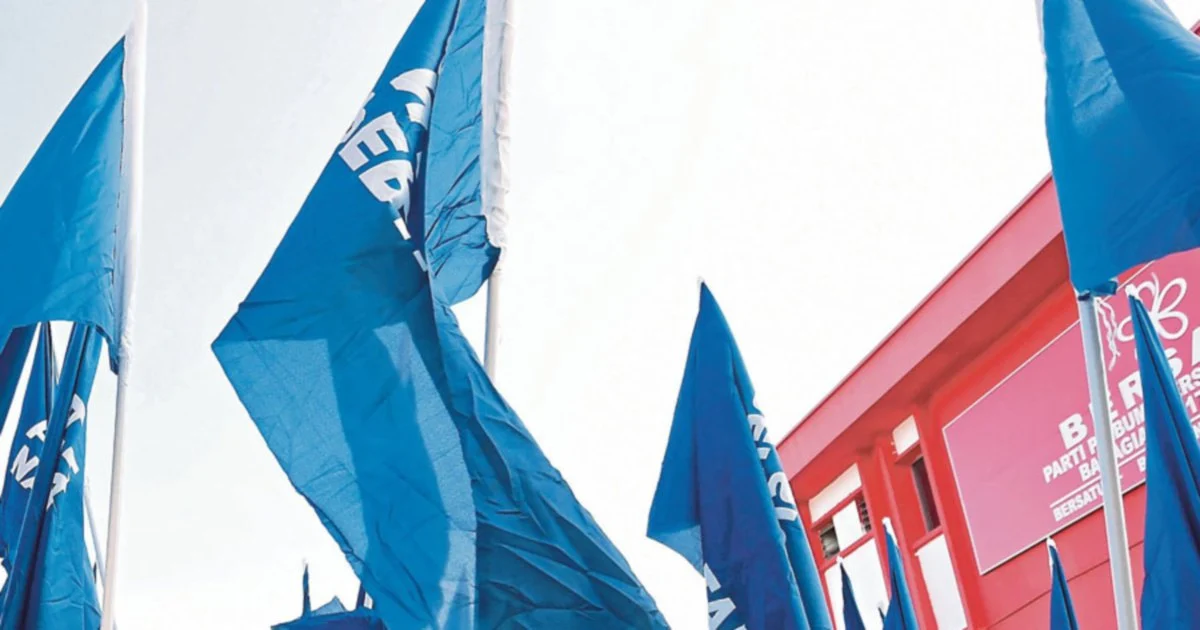
A deepening dispute over control of the Perikatan Nasional coalition logo threatens to exclude Bersatu from upcoming elections, according to political analysts tracking the fractious alliance that has shaped Malaysian politics since 2020. The contentious issue centres on whether candidates from the Muhyiddin-aligned party can contest under the PN banner without explicit clearance from coalition chairman Datuk Seri Dr Ahmad Samsuri Mokhtar, raising questions about the cohesion of an already strained multi-party partnership.
The implications of this standoff extend far beyond internal party mechanics. Bersatu, which has served as a pivot point in Malaysian coalition politics, could find itself strategically isolated if prevented from using the PN logo—a development that would fundamentally reshape the electoral landscape across multiple states and parliamentary constituencies. The party's ability to leverage the coalition's accumulated goodwill and electoral machinery depends entirely on its standing within PN's formal structures, making logo access a matter of existential political significance.
Analysts point out that this dispute reflects broader tensions within PN regarding decision-making authority and resource allocation among its constituent parties. The requirement for candidate authorisation from the chairman introduces a gatekeeping mechanism that could be weaponised in intra-coalition disputes, particularly if competing factions attempt to marginalise one another ahead of elections. Such internal friction has historically weakened opposition alliances in Malaysia, undermining their collective electoral competitiveness against the ruling coalition.
Bersatu's predicament mirrors challenges faced by other junior coalition partners in Malaysian politics, who frequently find themselves vulnerable when senior partners hold control over shared symbols and resources. The party emerged from internal turmoil within the United Malays National Organisation (UMNO) in 2016 and has navigated multiple electoral cycles with varying degrees of success, making its coalition positioning crucial for parliamentary representation. Loss of the PN logo would represent a significant strategic reversal, potentially reducing the party's electoral appeal among voters who associate the symbol with the broader PN platform.
The timing of this dispute carries additional weight given the electoral cycle. Upcoming elections at state or federal levels—depending on which contest becomes imminent—will determine whether PN can consolidate opposition momentum or fracture under internal pressure. Voters who have previously supported the coalition's candidates may become confused if party infrastructure, campaign materials, and ballot access become fragmented across competing party symbols, ultimately benefiting the ruling coalition by dividing anti-government votes.
From a constitutional and regulatory perspective, the issue also raises questions about how coalition logos are registered with electoral authorities and which parties possess authority to authorise their use. Malaysian electoral law requires candidates to be formally nominated through established party and coalition procedures, but the precise mechanisms for logo allocation and candidate approval remain contested when alliances experience internal disagreements. This ambiguity could lead to disputed nominations or challenged candidacies, creating legal complications that extend beyond mere party politics into formal election administration.
Regional dynamics further complicate the situation. Perikatan Nasional has positioned itself as an alternative to both traditional UMNO-led coalitions and the DAP-dominated opposition structure, appealing to voters seeking a third force in Malaysian politics. A fractured PN appearance during campaigns would undermine this positioning, particularly in Malay-majority constituencies where the coalition has built considerable support. Bersatu's potential exclusion would especially damage PN's presence in states like Kedah, Terengganu, and Kelantan, where the party maintains significant grassroots organisation.
The dispute also illuminates questions about coalition governance in Malaysia's multi-party system. Unlike formally structured alliances with explicit power-sharing agreements, PN has functioned as a more fluid arrangement dependent on personal relationships between party leaders and shifting political circumstances. This structural looseness permits rapid coalition formation but creates vulnerability to exactly the kind of unilateral decision-making that Datuk Seri Dr Ahmad Samsuri Mokhtar's logo control could facilitate. Without clear protocols governing coalition operations, weaker partners like Bersatu face constant insecurity regarding their position and resource access.
Looking ahead, this standoff may force Bersatu into strategic choices with lasting consequences. The party could challenge the chairman's authority through coalition mechanisms, attempt to negotiate explicit agreements protecting candidate access, seek alternative coalition arrangements, or contest independently using its own symbol. Each option carries distinct electoral and political risks, and the path Bersatu selects will signal its confidence in retaining PN membership and its willingness to accept subordinate positioning within the alliance structure.
Malaysian voters following this dispute may recognise it as symptomatic of the instability that has plagued opposition politics since 2018. The constant jockeying for position within coalitions, disputes over resource allocation, and conflicting visions for electoral strategy have repeatedly prevented opposition alliances from mounting effective challenges to incumbent administrations. If PN fractures over logo control and candidate authorisation, the pattern would repeat itself at considerable cost to those voters seeking meaningful electoral alternatives to the dominant establishment coalition.
The resolution of this dispute—whether through negotiated compromise, formal coalition restructuring, or acceptance of Mokhtar's authority—will influence not only Bersatu's immediate electoral prospects but also PN's broader viability as a durable political force. Coalition observers will watch closely to determine whether the alliance can establish workable governance protocols or whether factional tensions and power struggles will continue undermining its effectiveness as a unified opposition block in Malaysian politics.