Perikatan Nasional faces a critical juncture as the coalition prepares to tackle longstanding internal tensions at a Supreme Council meeting scheduled for Monday. The gathering will serve as a decisive moment for resolving disputes that have festered within the opposition alliance, particularly questions centring on Bersatu's continued involvement in the bloc and disagreements over logo usage that have threatened to derail coordinated campaigning efforts.
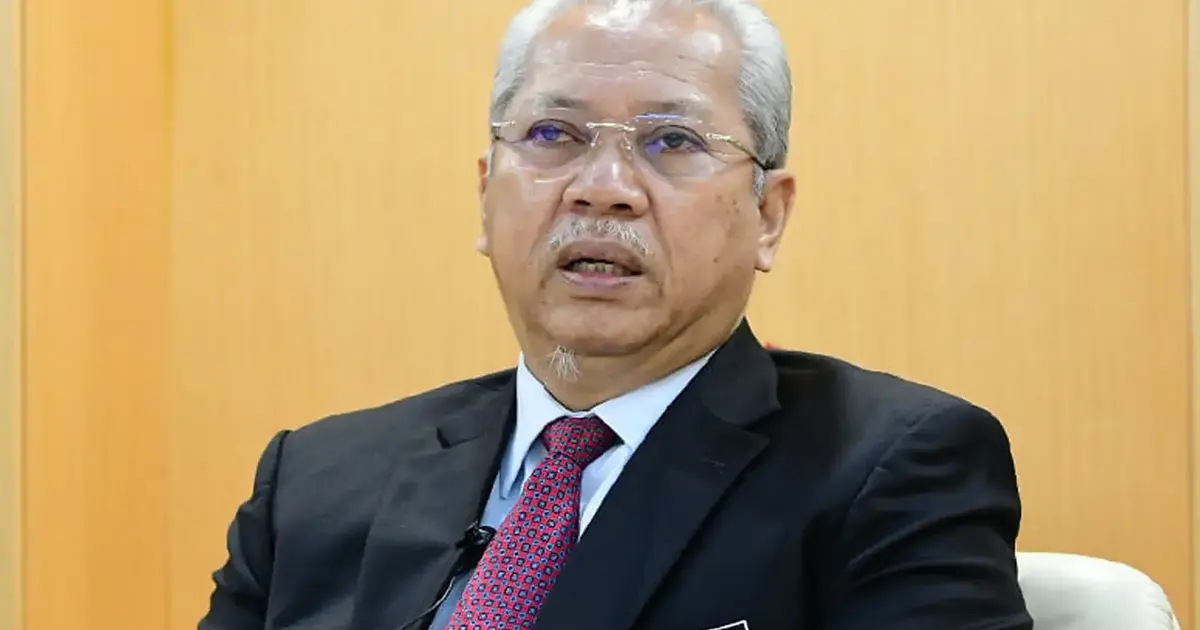
Annuar Musa, the information chief of the coalition, underscored the gravity of the upcoming session by emphasising that only the Supreme Council possesses the authority and institutional weight necessary to address these contentious matters. His statement reflects the complexity of navigating a multi-party alliance where constituent members hold divergent interests and where decisions on branding and representation carry substantial political consequences. The meeting agenda signals that leadership recognises these issues cannot remain unresolved as the coalition heads into fresh electoral contests.
The logo dispute has emerged as a particularly thorny challenge for PN. In competitive politics, symbols matter enormously—they communicate identity, inspire voter confidence, and serve as visual anchors for campaign messaging. When multiple parties within a coalition claim legitimate use of the same logo or contest its ownership, it fragments the unified front that coalitions require to maximise electoral impact. This dispute has created practical obstacles for campaign operations and risked generating confusion among voters attempting to identify which coalition parties represent which interests.
Bersatu's status within the coalition has become increasingly complicated following various political developments and shifting alliances. Questions about whether the party remains a full, equal member, a junior partner, or something occupying an ambiguous middle ground have created uncertainty that extends beyond internal party management to affect how other coalition members coordinate with it. Clarity on this matter is essential for establishing the hierarchy of decision-making authority and determining how resources, campaigns, and electoral strategies should be distributed across PN's component parties.
Seat allocation battles for the upcoming Johor and Negeri Sembilan elections add another layer of urgency to the Supreme Council deliberations. These state contests represent significant opportunities for PN to demonstrate electoral strength and translate opposition narratives into tangible gains. However, negotiations over which party receives which seats—a process deeply laden with perceptions of fairness, historical precedent, and calculated vote arithmetic—frequently provoke the most acrimonious coalition disputes. Each party naturally seeks to maximise the seats it contests in winnable constituencies, knowing that seat allocation decisions directly determine each member's capacity to expand its parliamentary representation.
For Malaysian voters and political analysts, these internal PN negotiations reveal the inherent tensions within opposition politics. Coalition-building requires parties with distinct ideologies, support bases, and leadership personalities to find sufficient common ground to function effectively. Yet the very diversity that gives coalitions breadth can simultaneously generate friction when resources become contested. The ability of PN's leadership to broker acceptable compromises at Monday's meeting will demonstrate whether the alliance possesses sufficient cohesion to mount a credible electoral challenge.
The timing of the Supreme Council meeting assumes additional significance given Malaysia's electoral calendar. State elections in Johor and Negeri Sembilan could potentially occur within months, leaving limited time for the coalition to properly unify messaging, deploy campaign machinery, and build momentum once internal divisions are resolved. Prolonged disputes risk sapping energy that could otherwise be channelled into voter engagement and candidate preparation. The Monday session thus represents a necessary clearing of internal obstacles before PN can pivot fully toward external electoral competition.
Peikatan Nasional comprises several political parties with varying regional strongholds and constituencies. Bersatu, despite its relatively recent formation, has become a significant force within PN, claiming support among Bumiputera voters and rural communities. Its relationship with other coalition partners, including PAS and other components, involves complex calculations about vote consolidation and regional dominance. Whether Bersatu remains deeply integrated into PN operations or assumes a more peripheral role will shape how the coalition campaigns and organises itself across different states.
The Supreme Council's composition and decision-making rules will ultimately determine how disputes get resolved. If the body operates on consensus principles, achieving agreement becomes more challenging but potentially yields decisions with broader ownership. Conversely, if majority voting prevails, minority parties risk feeling overruled on matters affecting their interests. How the council navigates these procedural questions may set precedents for how PN handles future internal conflicts, making Monday's session consequential beyond merely settling immediate disputes.
For Johor and Negeri Sembilan residents anticipating state elections, the Monday meeting's outcomes will eventually become visible through candidate announcements and campaign activity. The distribution of seats among PN parties will determine which candidates represent the opposition coalition in various electoral contests. Voters will subsequently evaluate whether the coalition's internal compromises enabled it to field competitive candidates and mount effective campaigns. In this sense, the behind-the-scenes negotiations taking place at the Supreme Council directly affect the electoral choices available to state voters.