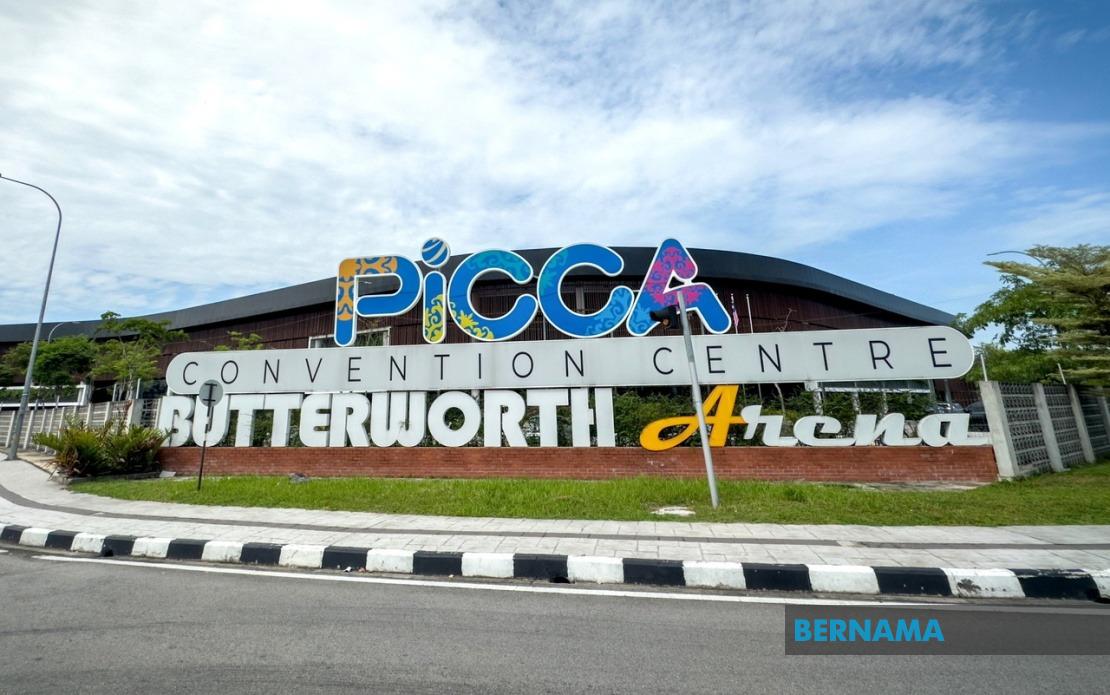
Malaysia's National Journalists' Day (HAWANA) 2026 will conclude its sixth edition today at the PICCA@Arena Butterworth Convention Centre, drawing together approximately 1,000 journalism professionals from across Malaysia and internationally. The gathering represents a significant moment for the country's media community, celebrating the enduring importance of journalistic practice in democratic society.
Prime Minister Datuk Seri Anwar Ibrahim will formally open the grand finale at 3 pm, lending government backing to this year's central theme: "Media Integrity Strengthens Credibility." The selection of this theme reflects growing concerns about misinformation and the declining trust in news sources globally—challenges that Malaysia and Southeast Asia face acutely in the digital age. By emphasising integrity as a foundation for credibility, organisers are signalling that professional journalism remains essential to maintaining informed citizenry and public discourse.
The event will attract senior government figures and media leadership. Penang Chief Minister Chow Kon Yeow and Communications Minister Datuk Fahmi Fadzil will be present, alongside senior officials from Bernama, Malaysia's national news agency. The attendance of top executives from major local media organisations underscores the celebration's importance within Malaysia's journalism ecosystem. This gathering of institutional leaders provides a platform for discussing challenges facing the industry and reaffirming shared commitments to journalistic standards.
International participation adds regional dimension to the proceedings. Delegations from Indonesia's Antara News Agency, Vietnam News Agency (VNA), and Xinhua News Agency are attending, alongside representatives from the Indonesian Journalists Association and the Malaysia-Indonesia Journalists Friendship Association (ISWAMI). This cross-border engagement highlights how media professionals across Southeast Asia increasingly recognise shared interests in maintaining standards and addressing common threats to journalism's independence and effectiveness.
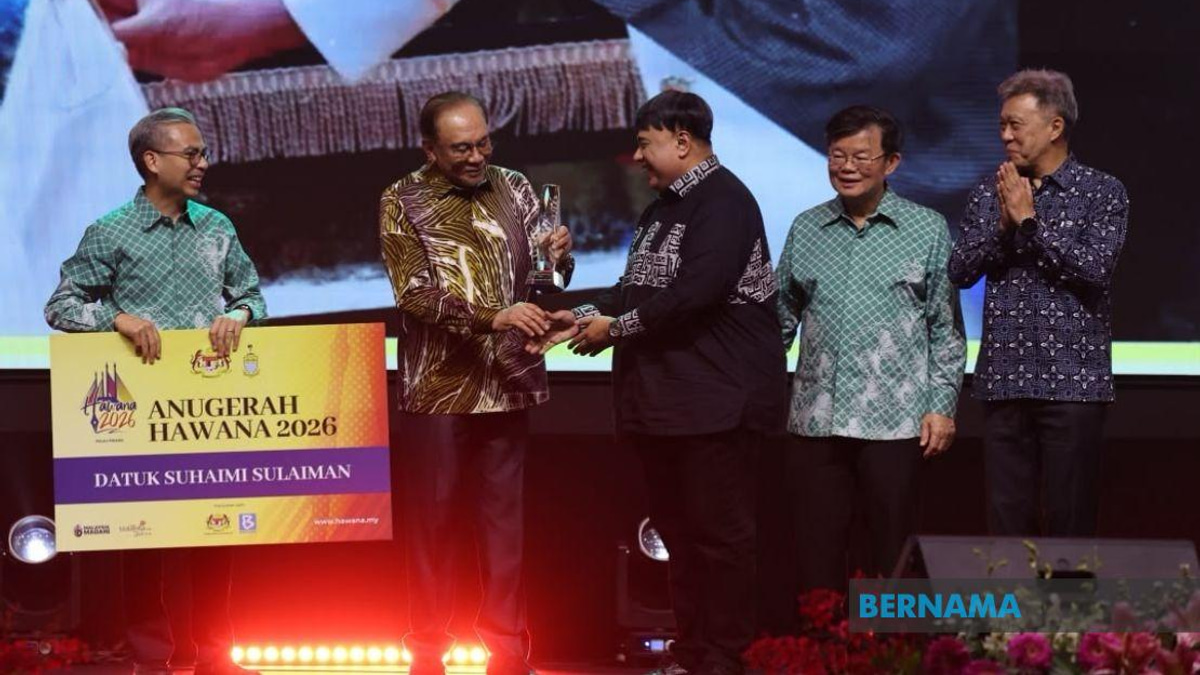
Central to today's proceedings will be the presentation of HAWANA Awards, where the Prime Minister will honour individuals who have significantly advanced journalism and shaped public understanding. Recipients of the Special HAWANA Award recognise those whose work has left indelible marks on Malaysian journalism. Additionally, distributions from the Tabung Kasih@HAWANA—a charitable fund—will provide financial assistance to media veterans facing hardship. These recognition mechanisms serve dual purposes: celebrating excellence while establishing social safety nets within a profession that has contracted significantly in recent years.
The formal celebration extends beyond the main ceremony. The RIUH Pi HAWANA Carnival has run for three days at the PICCA Convention Centre parking area, transforming the commemoration into a public festival. Local artistes including Exists, Bunkface, Masdo, Sakura Band, Budak Nakal Hujung Simpang, and Chelsea Ng have performed, while more than 24 creative product brands showcase locally-designed goods. This carnival approach broadens HAWANA's appeal beyond the profession itself, attempting to build public appreciation for journalism's cultural and social value.
The carnival programming reflects strategic thinking about how to engage audiences beyond newsroom professionals. Interactive workshops accompany performances and vendor stalls, creating spaces where ordinary Malaysians might encounter media practitioners and learn about journalistic processes. This grassroots engagement matters increasingly as journalism seeks to rebuild trust damaged by partisan polarisation and the rise of alternative information sources online.
HAWANA commemorates the May 29, 1939 publication of Utusan Melayu, the pioneering Malay-language newspaper that helped establish journalism as a profession in British Malaya. Celebrating this date annually connects contemporary media practitioners to a century-long tradition, framing journalism as foundational to Malaysia's development as a nation. The historical grounding provides context for understanding modern journalism not merely as commercial enterprise or political tool, but as a practice with deep institutional roots and civic purpose.
Leading up to today's grand finale, the Ministry of Communications and Bernama orchestrated a series of preparatory events beginning in May. The HAWANA 2026 Media Forum in May brought journalists together for substantive discussion. The Strategic Partners Engagement Event in June convened stakeholders from government, media, and civil society. A Fun Walk held June 14 invited public participation. This sequenced programming strategy builds momentum and engagement across multiple constituencies, rather than condensing recognition into a single day.
The institutional architecture supporting HAWANA demonstrates government commitment to framing journalism as essential to nation-building. Organised by the Communications Ministry with Bernama as implementing agency, HAWANA positions professional journalism—characterised by accuracy, verification, and authority—as crucial to functioning democratic society. This institutional support faces increasing relevance as misinformation spreads through social media and trust in traditional institutions wavers among significant population segments.
The timing of HAWANA 2026 carries particular resonance in Southeast Asia's current media landscape. Regional governments increasingly scrutinise journalism, independent outlets face financial pressures, and disinformation campaigns target cross-border audiences. Malaysia's emphasis on media integrity and credibility enters this contested terrain, attempting to reinforce professional standards and public appreciation for quality journalism even as external pressures challenge its viability. The international delegations attending reinforce this regional dimension.
For Malaysian media practitioners gathering today in Butterworth, the ceremony affirms their professional identity at a moment when journalism's economic model and social status face persistent challenges. Award recipients receive formal recognition for contributions often made with modest resources and declining job security. The gathering creates space for collective identity among individuals increasingly working in isolation or in precarious employment arrangements. This community-building function, while less visible than award presentations, may prove equally significant for sustaining journalism's future in Malaysia.