A Japanese film that premiered last month has ignited fierce debate over one of East Asia's most pressing social challenges: how to sustain care systems for rapidly ageing populations. The movie, an adaptation of the 2003 novel "Haiyoshin (Useless Body)," centres on a provocative medical proposition that elderly patients with paralysed limbs could benefit from amputation, easing the physical burden on caregivers whilst potentially improving patients' quality of life. The film has been labelled both "shocking" and "the year's most controversial," yet it has also shone a spotlight on genuine systemic vulnerabilities in Japan's overtaxed care industry that resonate across the entire Southeast Asian region.
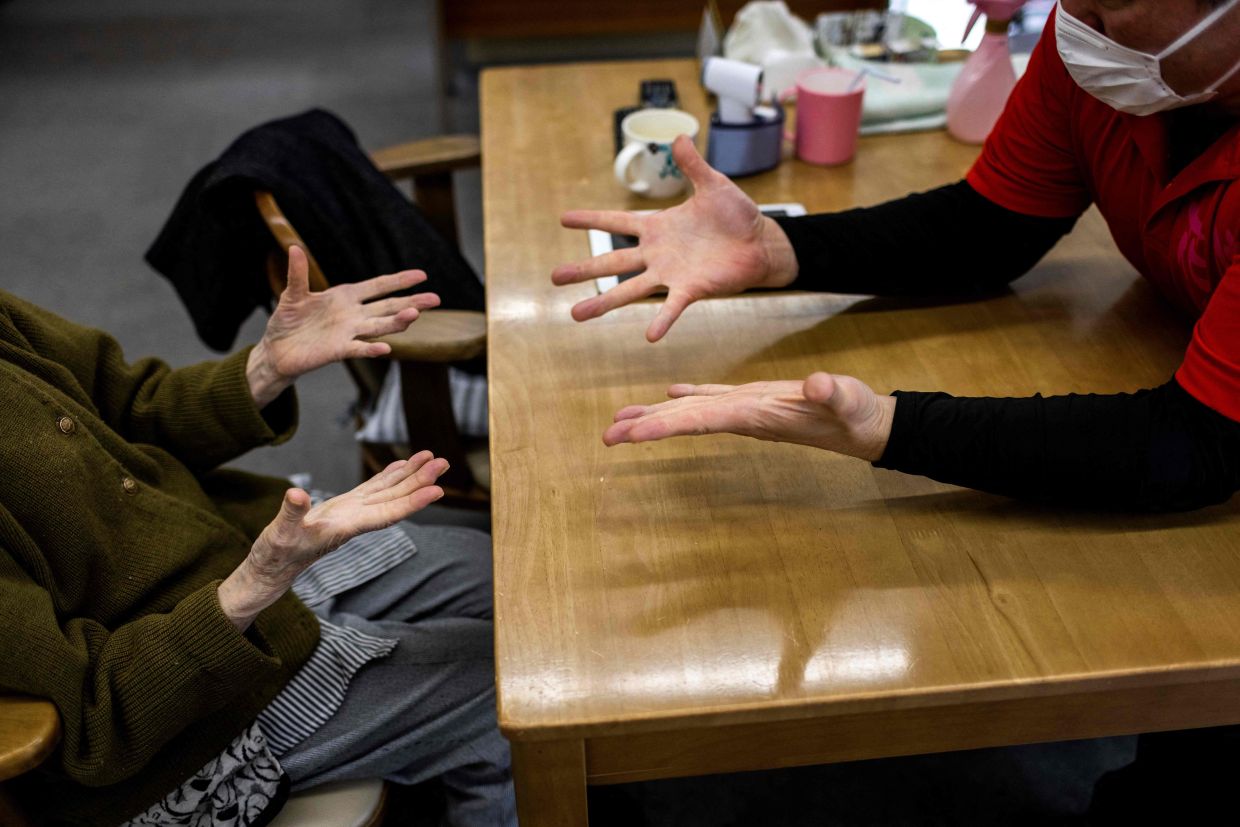
Yo Kusakabe, a 70-year-old former geriatric specialist from Osaka who authored the original novel, developed this concept whilst practising medicine in the field of elderly care. Speaking with international media, Kusakabe articulated the reasoning behind his fictional "A-care (Amputation Care)" proposal: removing paralysed limbs would substantially reduce the physical demands on caregivers, particularly when handling heavier patients. He notes that immobile arms and legs create practical complications—they tangle in clothing, increase bathing difficulty, and require caregivers to lift substantially heavier bodies. By eliminating these non-functional appendages, Kusakabe argues, caregivers would experience fewer back injuries and physical exhaustion whilst patients themselves, freed from the pain and complications of paralysed limbs, might achieve greater mobility and independence through wheelchair use and hand-based movement.
Japan's demographic reality underscores the desperation animating such radical thinking. Nearly one in three Japanese citizens are now aged 65 or older, making it home to the world's second-oldest population after Monaco. Government projections forecast a shortfall of approximately 570,000 care workers by 2040, a deficit that threatens to collapse the entire system within two decades. Kusakabe emphasises that whilst the caregiving industry has not yet fractured, the trajectory points inexorably toward breaking point as the number requiring care continues climbing. This crisis carries particular relevance for Malaysia and the broader Southeast Asian region, where populations are ageing at comparable or even faster rates than Japan experienced, yet healthcare and social care infrastructure lags considerably behind.
The urgency becomes apparent when examining the human toll already visible in Japan. The term "kaigo satsujin"—caregiving murder—has become sufficiently common in news cycles that Japanese media treats it as a recurring tragedy rather than aberration. A 2016 investigation by public broadcaster NHK revealed that such murders occurred approximately once every two weeks, often perpetrated by family members pushed beyond psychological and physical breaking points. Kusakabe suggests that if abuse and homicides escalate further, amputation might paradoxically emerge as a lesser-evil option within Japanese society. This grim calculus reflects the profound strain affecting not just professional caregivers but entire families bearing responsibility for elderly relatives with minimal state support.
Paradoxically, the film's portrayal of amputation includes sequences where patients themselves benefit from the procedure. Kusakabe recounts actual conversations with geriatric patients who desperately wished to be rid of chronically painful, non-functional limbs that caused unexpected convulsions, hindered movement, and generated constant discomfort. In the film's narrative, amputees display newfound agility and freedom from pain, manipulating wheelchairs with dexterity and engaging in activities previously impossible. The protagonist physician frames an uncomfortable philosophical question: is true end-of-life dignity more accurately achieved through painful, futile attempts to dress paralysed patients, or through accepting amputation and eliminating suffering entirely? Kusakabe's challenge to conventional thinking exposes how societies often impose their own definitions of dignity upon the elderly rather than respecting individual preferences.
The contrast between Japan's actual practices and Scandinavian approaches reveals a fundamental cultural divergence in elderly care philosophy. In Sweden and Denmark, palliative care protocols often dictate that elderly patients who cease eating should not be force-fed, respecting the body's own signals. Conversely, Japanese medical practice—buoyed by insurance systems that heavily subsidise feeding tubes and intravenous drips for patients aged 75 and older—routinely maintains the severely ill in prolonged states that may inflict suffering rather than preserve meaningful life. Kusakabe criticises this approach as irrational, noting that families often "simply cannot bear the thought of doing nothing" for dying parents or spouses, remaining oblivious to potential suffering caused by aggressive interventions. This philosophical rigidity, he suggests, creates cascading strain on caregivers whilst denying patients peaceful deaths.
Interestingly, online critics of the film have offered surprisingly nuanced responses despite its taboo subject matter. Beyond dismissing amputation as ruthless and unethical, some viewers acknowledged that Kusakabe's underlying argument possessed merit when examined dispassionately. Comments on cinema information website eiga.com reflected this complexity, suggesting that audiences recognised the film was grappling with genuine dilemmas rather than simply promoting mutilation. This receptiveness indicates a willingness amongst Japanese society to confront uncomfortable truths about their care system's failures, even when solutions proposed seem radical or dystopian. For Malaysian observers, this debate signals how transparent public discussion of care system inadequacies can precede genuine policy reform.
Yet Kusakabe himself ultimately questions whether such a radical approach could ever gain acceptance in Japan's particular social context. The novel was deemed "unfilmable" for over two decades, reflecting broad cultural resistance to entertaining such scenarios seriously. Even with amputation framed as rational choice-making that respects patient autonomy and family needs, Japanese society's deep-rooted commitment to preserving life at all costs—regardless of quality—likely prevents genuine adoption of such measures. Kusakabe acknowledges this cultural barrier explicitly, suggesting that Japan's "inability to take a bold, rational approach" makes A-care fundamentally incompatible with Japanese values, despite the system's obvious unsustainability. This tension between pragmatic necessity and cultural values mirrors dilemmas facing many Asian societies as they confront care system breakdowns.
The film itself ultimately undermines the proposition through its narrative arc. Following initial optimism about elective amputation, a tragedy shatters the protagonist's confidence in the procedure's efficacy, deflating the hype and questioning the approach's viability. Rather than endorsing amputation as genuine solution, the film appears designed to provoke reflection on whether society is asking the right questions about elderly care. The work effectively functions as extended thought experiment—an uncomfortable mirror held up to caregiving system failures rather than a blueprint for reform. This narrative restraint may explain why critics, despite labelling it controversial and terrifying, could acknowledge its intellectual coherence.
For the broader Asian region, Japan's care crisis and this cultural response offer crucial lessons. Malaysia, South Korea, Thailand, and other Southeast Asian nations face similar demographic pressures with less developed care infrastructure and fewer resources than Japan possesses. The emergence of creative—if disturbing—proposals about amputation suggests that established systems cannot absorb projected demand without fundamental restructuring. Rather than adopting such extreme measures, societies must urgently develop comprehensive policies addressing caregiver shortages, palliative care protocols, family support systems, and realistic cost-sharing models. The film's provocative nature may ultimately serve valuable purpose by forcing uncomfortable conversations about sustainability before care systems reach complete breakdown, ensuring that elderly citizens across Asia receive dignified, compassionate support through their final years.