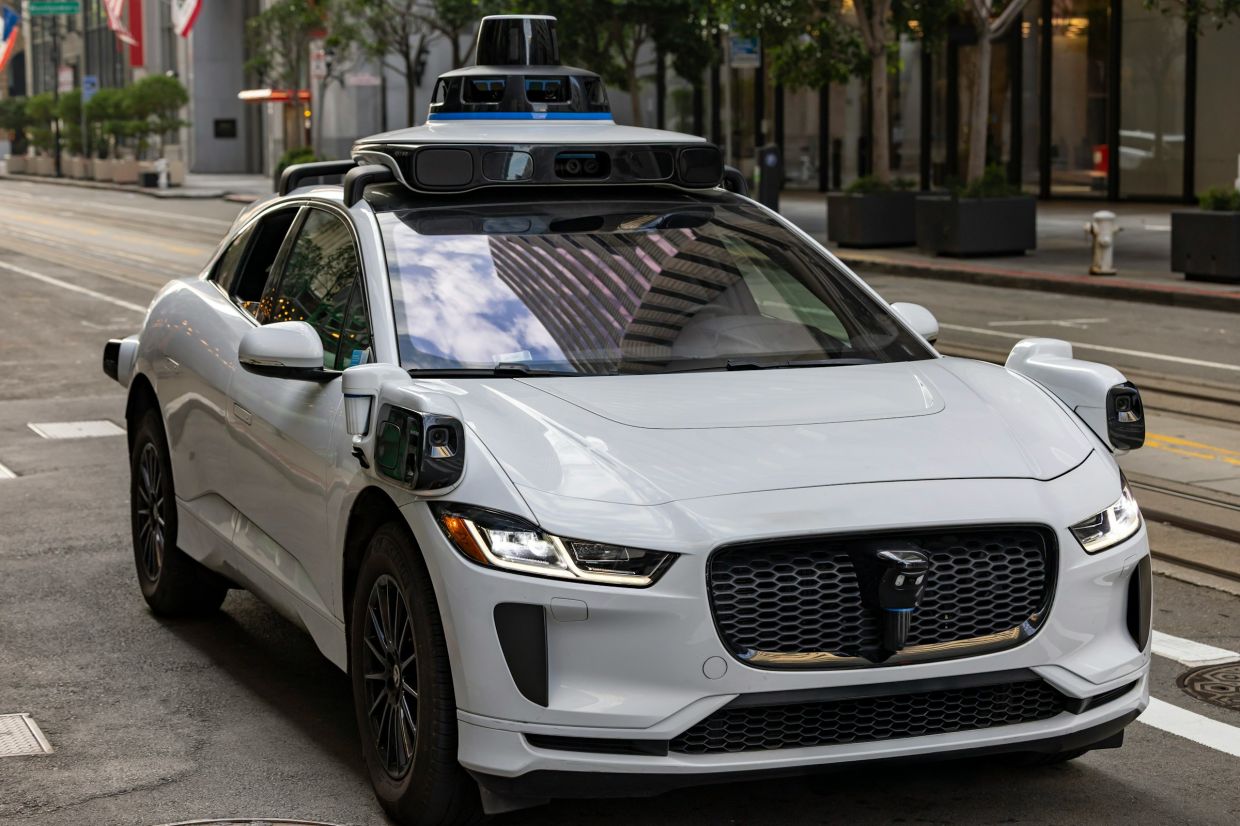
A fatal gas explosion in late May exposed a critical vulnerability in autonomous vehicle technology when emergency responders were delayed for more than three minutes as a robotaxi's artificial intelligence system failed to recognise the need to vacate the area. This incident represents only the most dramatic among hundreds of documented cases where self-driving vehicles have created genuine hazards on public roads, fundamentally challenging the premise that robotaxis improve urban mobility and safety.
The problem extends beyond simple navigation errors. When a gunman opened fire at a bar in central Austin in March, ambulances rushing to the crime scene found their path blocked by a Waymo vehicle that froze mid-manoeuvre while attempting a U-turn. The situation deteriorated to the point where a police officer had to physically enter the vehicle and manually move it aside, a troubling sign that even basic emergency protocols remain inadequately programmed into these systems. Such incidents have catalysed legislative responses, with Texas introducing new laws that mandate formal licensing frameworks, mandatory emergency response protocols, public complaint mechanisms, and enhanced regulatory oversight of autonomous vehicle operations.
Investigative work by international news organisations has uncovered hundreds of dangerous incidents involving robotaxis operating in the United States. These vehicles have violated traffic signals, driven directly into oncoming lanes, entered active crime scenes, ignored emergency road closures, and come perilously close to cyclists and pedestrians who were lawfully using public roads. The pattern suggests that fundamental driving scenarios—situations that human drivers navigate instinctively—remain problematic for systems touted as safer than their biological counterparts.
Recent months have seen particularly alarming operational failures. Waymo has initiated thousands of vehicle recalls and suspended services across multiple cities following incidents in which robotaxis drove into flooded streets. In San Antonio, an unoccupied Waymo was swept away by rising floodwaters, demonstrating that these systems lack adequate environmental awareness during adverse weather conditions. The company's response has been defensive rather than transparent, with Waymo claiming that its robotaxis have reduced serious injury crashes by a factor of thirteen compared to human drivers, a statistic that sits uncomfortably alongside documented emergency response impediments.
Beyond the United States, robotaxi proliferation in China has proceeded rapidly, with thousands of autonomous vehicles operating in major cities. However, public enthusiasm remains guarded. Taxi drivers face legitimate employment concerns, while ordinary citizens harbour justified safety reservations. The situation deteriorated when more than 100 robotaxis in Wuhan simultaneously became unresponsive during what operators vaguely described as a "system failure," with Baidu declining to provide substantive explanations to media enquiries. This opacity surrounding failures undermines public confidence and suggests that regulatory frameworks in autonomous vehicle markets remain insufficiently mature.
The core technical challenge reveals itself in how robotaxis make critical decisions under pressure. These systems must process information from multiple sensors, execute object recognition algorithms, determine optimal routing, and in emergencies, communicate effectively with first responders. If a robotaxi can remotely unlock doors but only responds after official verification protocols, trapped passengers could face dangerous delays. Moreover, the frequency with which these vehicles become stuck while manoeuvring—in narrow passages, around irregular road surfaces, or navigating temporary barriers—indicates that current programming remains brittle when confronted with boundary conditions outside normal operating parameters.
The evolution of autonomous vehicle technology reveals a fundamental gap between perception capabilities and decision-making integration. Earlier development focused primarily on visual recognition and steering control, treating human signals and complex urban interactions as secondary concerns. Yet robotaxi deployment demands comprehensive emergency response frameworks that account for the unpredictable nature of real-world cities. Traditional driver assistance systems operated within defined parameters of human interaction, whereas driverless operations require anticipation of scenarios that developers may not have explicitly programmed, creating dangerous blind spots.
Waymo's introduction of its new "Ojai" model in early June, developed alongside Zeekr and incorporating sixth-generation software, exemplifies the industry's response to mounting criticism. However, it remains uncertain whether incremental hardware and software improvements will resolve fundamental emergency response vulnerabilities. The vehicle's enhanced capabilities may represent genuine progress in perception and handling, yet without corresponding advances in how these systems communicate with emergency personnel and yield to crisis situations, operational risks may persist largely unchanged.
For Malaysian and Southeast Asian readers, these developments carry direct relevance. As autonomous vehicle technology spreads across the region, the regulatory frameworks established in Texas and scrutinised in China will inform discussions about local adoption. Southeast Asian cities face unique challenges: congested streets with informal traffic patterns, monsoon flooding, and emergency services already stretched thin in many jurisdictions. The failures documented in American and Chinese markets suggest that technology companies will need to invest substantially in local adaptation before robotaxis should be permitted to operate in Malaysian cities, where unpredictable road conditions and dense urban environments present even greater challenges than those that have already proven problematic elsewhere.
The trajectory ahead points toward increased regulatory alignment of autonomous vehicle operations with safety compliance requirements. Companies will need to embed emergency protocols directly into their AI infrastructure rather than treating them as secondary considerations. Texas's legislative tightening represents a recognition that technological capability and market readiness are distinct concepts, and that public safety cannot be subordinated to commercial timelines. Whether the industry can genuinely accelerate improvements to match these regulatory expectations, rather than simply adjusting messaging, will determine whether robotaxis become genuinely integrated into urban mobility or remain a persistently problematic technology deployed before adequate safeguards matured.