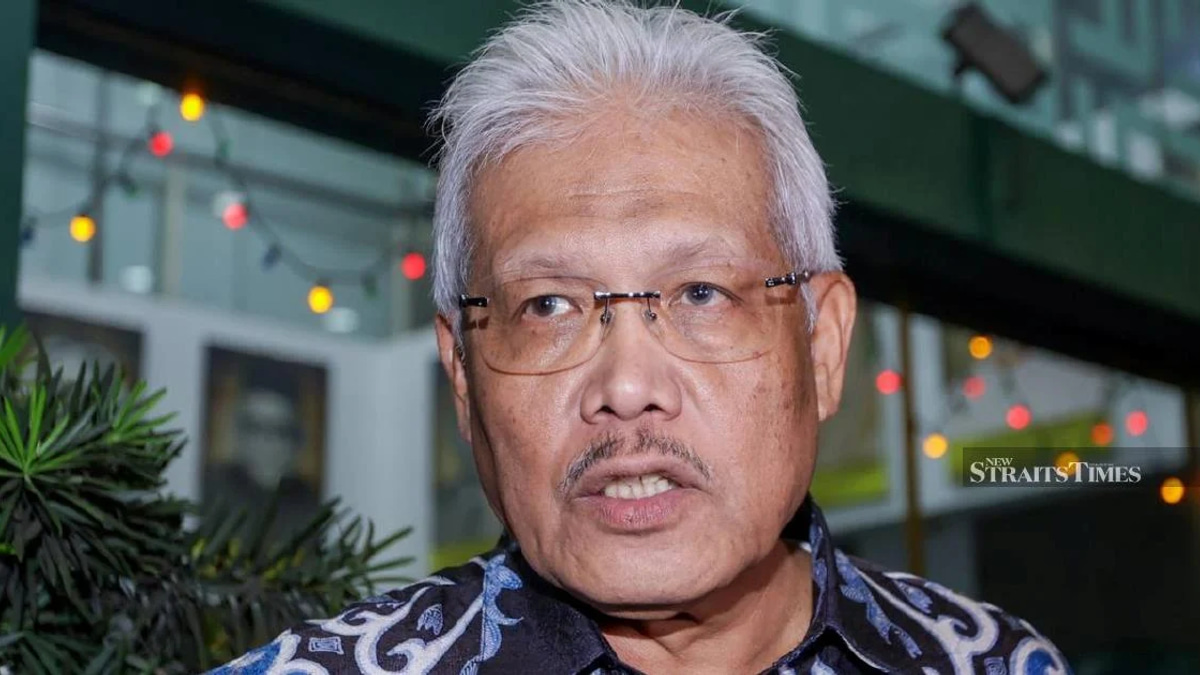
The Rohingya Ulama Council has forcefully rejected allegations suggesting the displaced Myanmar community is actively seeking citizenship status in Malaysia, with the organisation's chairman Rahimullah Hussain characterising the claims as deliberate misrepresentations crafted to inflame public sentiment against the already vulnerable population.
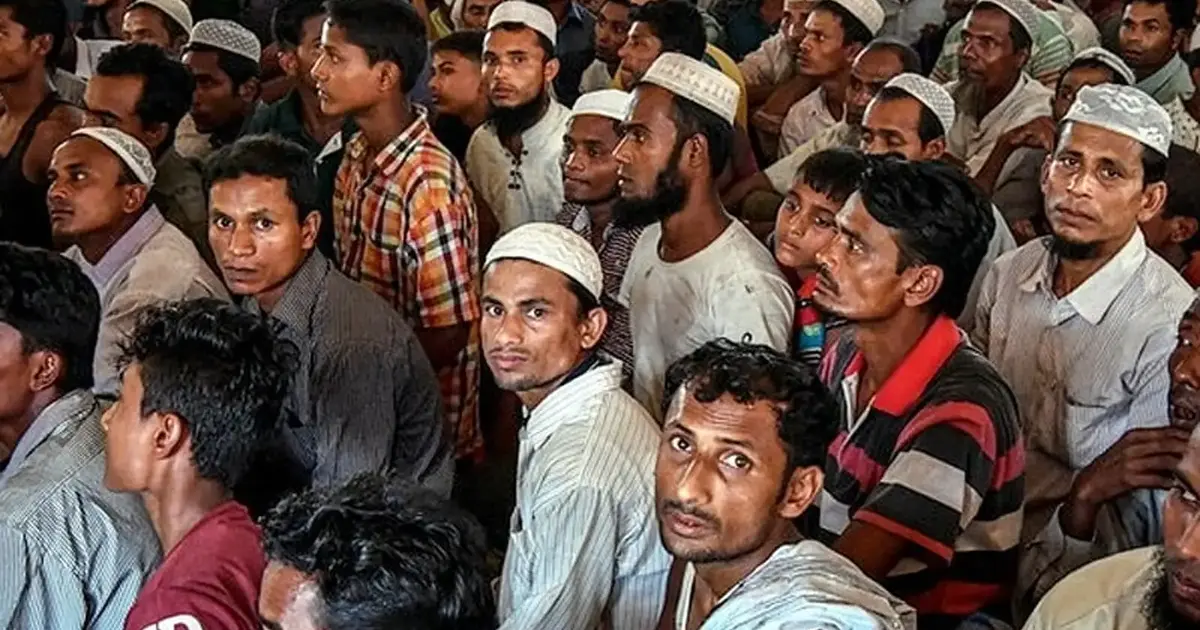
The denial comes amid ongoing tension surrounding the Rohingya presence in Malaysia, where approximately 180,000 registered refugees reside alongside an estimated equal number of undocumented individuals. Malaysia, while not a signatory to the 1951 Refugee Convention, has emerged as a primary haven for Rohingya fleeing persecution in Myanmar, though the country grapples with significant strain on its social services and labour market integration frameworks.
Rahimullah Hussain's statement represents a significant pushback against narratives that have circulated within certain segments of Malaysian society, particularly online platforms where misinformation regarding refugee communities has historically proliferated. The council chair emphasised that fabricating such claims serves no constructive purpose and instead fuels discriminatory attitudes that undermine social cohesion and humanitarian principles.
The Rohingya crisis remains one of the most pressing humanitarian emergencies in Southeast Asia. Since the Myanmar military's 2017 crackdown, over 700,000 Rohingya fled to neighbouring Bangladesh, while thousands reached other regional nations including Malaysia, Thailand, and Indonesia. Those in Malaysia exist in a precarious limbo, holding temporary UNHCR documentation that offers limited legal protections but does not guarantee long-term security or access to comprehensive public services.
Malaysia's response to the Rohingya presence has been characterised by pragmatism tempered by political sensitivity. While the government permits refugee settlement and allows some community self-governance structures, it has avoided formal integration pathways or naturalisation discussions, reflecting both capacity constraints and domestic political considerations. This ambiguous status leaves Rohingya residents vulnerable to exploitation, restricted in employment options, and dependent on humanitarian assistance.
The citizenship claim allegations likely stem from anxieties surrounding demographic change and resource competition. Some Malaysian communities perceive refugee populations as potential threats to job availability, housing affordability, and cultural homogeneity—concerns that political actors and media outlets have occasionally amplified. However, evidence suggests Rohingya labour typically fills gaps in low-skilled sectors where labour shortages exist, rather than directly displacing Malaysian workers.
The Rohingya Ulama Council's defensive posture underscores how the community, despite its previous traumatic displacement, remains subject to suspicion and hostile narratives even in countries providing sanctuary. The council functions as both a religious authority and de facto representative body for community interests, navigating a complex landscape where advocacy for refugee rights must be balanced against avoiding escalation of anti-refugee sentiment that could prompt policy reversals.
Religious leadership within the Rohingya community has become increasingly important as these groups provide social cohesion, dispute resolution, and humanitarian support in the absence of formal governmental frameworks. Rahimullah Hussain's council participates in interfaith dialogue initiatives and liaises with Malaysian government agencies, attempting to build understanding and secure improvements in living conditions for community members.
The timing of such allegations merits consideration within Malaysia's broader political context. Periodic waves of anti-refugee rhetoric often coincide with economic pressures, political campaigns, or security concerns that dominate public discourse. Economic downturns particularly intensify competition narratives, as citizens worry about employment prospects and social support capacity. Understanding these patterns is essential for policymakers seeking to manage the refugee presence while maintaining social stability.
Malaysia's handling of the Rohingya situation offers lessons for other Southeast Asian nations managing larger displaced populations. The absence of formal integration policies has produced neither successful assimilation nor sustainable compartmentalisation; instead, it has created a vulnerable population with limited pathways to legal work, education access, or healthcare—conditions that paradoxically generate the very instability that citizenship fears hypothetically invoke.
For regional stability and humanitarian effectiveness, addressing Rohingya repatriation remains imperative. However, the conditions in Myanmar that precipitated mass flight persist, making voluntary return unrealistic for most. The Rohingya Ulama Council's denial of citizenship-seeking reflects a pragmatic acknowledgment that expectations should align with Malaysian capacity and political reality, while advocating for dignified, temporary residence arrangements until conditions permit safe return.
The council's forceful rejection of fabricated claims demonstrates how marginalised communities must constantly expend energy defending themselves against coordinated misinformation rather than focusing on constructive integration or humanitarian support provision. As Malaysia continues hosting the largest urban Rohingya population globally, managing this presence requires sustained commitment to evidence-based policymaking that resists both xenophobic narratives and unfounded alarmism regarding community intentions.