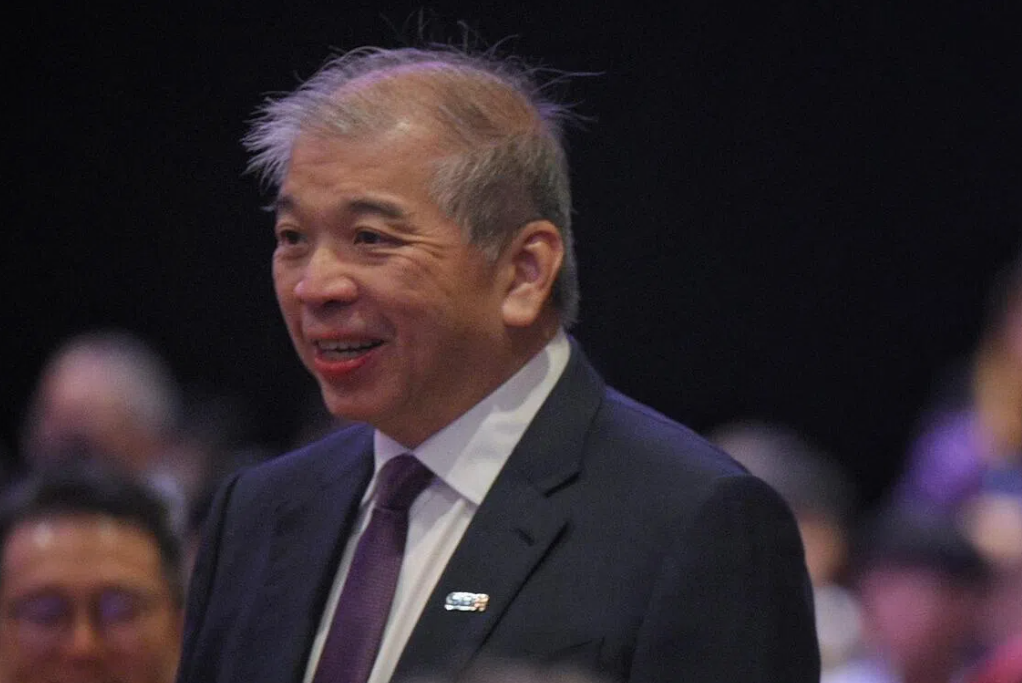
Singapore shipping magnate Teo Siong Seng has been named in civil lawsuits filed in California that seek to hold him and other container industry executives accountable for an alleged global price-fixing conspiracy. The two separate class-action cases, filed in the District Court for the Northern District of California on June 2 and 9, represent a significant escalation in legal action against the executives already implicated in a criminal indictment brought by the US Department of Justice. These civil suits open a new avenue for private American businesses to recover damages directly from the accused conspirators, moving beyond the criminal prosecution that captured international attention earlier in the year.
The civil complaints were initiated by two US companies—manufacturing firm C.A. Spalding Company and transportation company Daybreak Express—both seeking to recover millions of dollars they claim to have lost due to inflated container prices over an extended period. These lawsuits are built on the foundation of a criminal indictment unsealed in May that alleged executives of major container manufacturers orchestrated a sophisticated scheme to artificially restrict the global supply of shipping containers. The indictment, which was originally filed on January 22, identified five major firms responsible for approximately 95 per cent of the world's production of standard dry containers, making this one of the most consequential cartels in the shipping industry.
The alleged conspiracy involved a remarkably coordinated approach to production manipulation. Court documents reveal that executives at the various companies limited the number of shifts and operating hours across their container production lines to maintain artificially low output levels. To enforce compliance with these production quotas, the conspirators allegedly installed 87 video surveillance cameras across 49 production lines situated at their factories—a chilling detail that underscores the deliberate and calculated nature of the scheme. This surveillance infrastructure was specifically designed to monitor and prevent any company from unilaterally breaking ranks and exceeding the agreed-upon output restrictions.
The financial impact on global shipping was substantial and verifiable. Between 2019 and 2021, the price of a standard 20-foot shipping container more than doubled, climbing from approximately US$1,600 to US$3,500. This dramatic increase in container costs had ripple effects throughout global supply chains, directly affecting businesses across virtually every industry sector that relies on containerised shipping. The timing of the price spike—coinciding with the post-pandemic economic recovery period—means the conspiracy harmed businesses struggling to navigate recovery and rebuild operations after COVID-19 disruptions.
The alleged conspirators reaped substantial profits from their manipulation of the market. China International Marine Containers (CIMC), identified as a primary member of the cartel, saw its container manufacturing business profits surge from approximately 137 million yuan in 2019 to 1.99 billion yuan in 2020, before reaching 11.3 billion yuan in 2021. Singamas Container Holdings, the company where Teo serves as chief executive, experienced an even more dramatic financial transformation, moving from a net loss of roughly US$110 million in 2019 to a profit of approximately US$186.8 million by 2021. These figures, drawn from company accounts and court filings, provide stark evidence of the financial benefit derived from the alleged conspiracy.
The civil lawsuits carry particularly severe potential consequences for the named defendants through their pursuit of treble damages. This legal mechanism, which permits courts to award three times the actual damages proven, is a powerful deterrent against anticompetitive conduct and exists specifically to punish companies and executives who engage in cartel activity. If Teo and his co-conspirators are found liable, the financial exposure could reach into the hundreds of millions of dollars, representing not merely restitution to injured businesses but also a punitive component intended to discourage similar schemes in the future.
The legal proceedings have advanced rapidly. Court records accessed through PACER, the US electronic court documentation system, confirm that summonses were issued on June 8 and 11, initiating formal legal proceedings against the named individuals and entities. The defendants, including Teo, have been required to submit formal responses to the lawsuits within 21 days of service—a deadline with significant consequences, as failure to respond adequately could result in default judgments entered against them without a trial.
Teo's profile as a prominent Singapore business figure makes his involvement in the alleged conspiracy particularly noteworthy for the region. The 71-year-old executive has taken extended leave from multiple senior positions since being named in the US indictment in May, stepping back from his roles as executive chairman of Pacific International Lines, chairman of the Singapore Business Federation, a member of the trade agency Enterprise Singapore's board, and a pro-chancellor at the National University of Singapore. His decision to relinquish the SBF chairmanship after just over a month in the position—announcing on May 28 that he would not seek re-election when his term concludes on June 24—signals the profound disruption the allegations have caused to his professional standing and reputation.
The other named executives bring the total individual defendants to five others alongside Teo. These include Mai Boliang, former president and chief executive of CIMC who became chairman in August 2020; Huang Tianhua, CIMC's vice-president; Wan Yongbo, general manager of CIMC's Operation Management Centre; Li Qianmin, general manager of Shanghai Universal Logistics Equipment; and Zhang Yuqiang, chief executive of CXIC Group Containers. Additionally, Vick Ma, Singamas' marketing director, has been named and is currently awaiting extradition to the United States following his arrest in France in April—a development that reflects the international dimension of the investigation and prosecution.
When contacted about the civil lawsuits, Teo declined to provide comment, maintaining silence regarding the specific allegations and his defence strategy. However, his public statement on May 28 offered limited insight into his position, stating: "I have proactively decided to take these leaves of absence to afford myself sufficient time to attend to this matter, and for the best interests of the aforementioned organisations." This carefully worded statement does not address the substantive allegations themselves but rather focuses on his decision to step away from public responsibilities.
The significance of this case extends beyond the individual defendants to the broader implications for global shipping and container supply chains. The alleged scheme directly harmed Malaysian importers and exporters who depend on containerised freight for international trade, with elevated container costs translating into higher shipping expenses for businesses throughout the region. Southeast Asian countries, highly dependent on maritime trade, faced increased logistics costs during the critical 2019-2021 period when the alleged conspiracy was most active. The civil lawsuits represent an important mechanism for American businesses to pursue remedies, and their outcomes could influence how other jurisdictions address similar competitive concerns.
The existence of parallel criminal and civil proceedings creates a complex legal landscape for the defendants. While the criminal case pursued by the Department of Justice focuses on prosecuting individuals for antitrust violations, the civil actions allow private companies to recover their actual losses. This dual-track approach is standard in antitrust enforcement and creates significant pressure on defendants to achieve settlements that resolve both categories of claims. For Teo specifically, the reputational damage has already been substantial, evidenced by his rapid withdrawal from multiple high-profile positions that had anchored his standing as a respected business leader and corporate governance figure in Singapore.