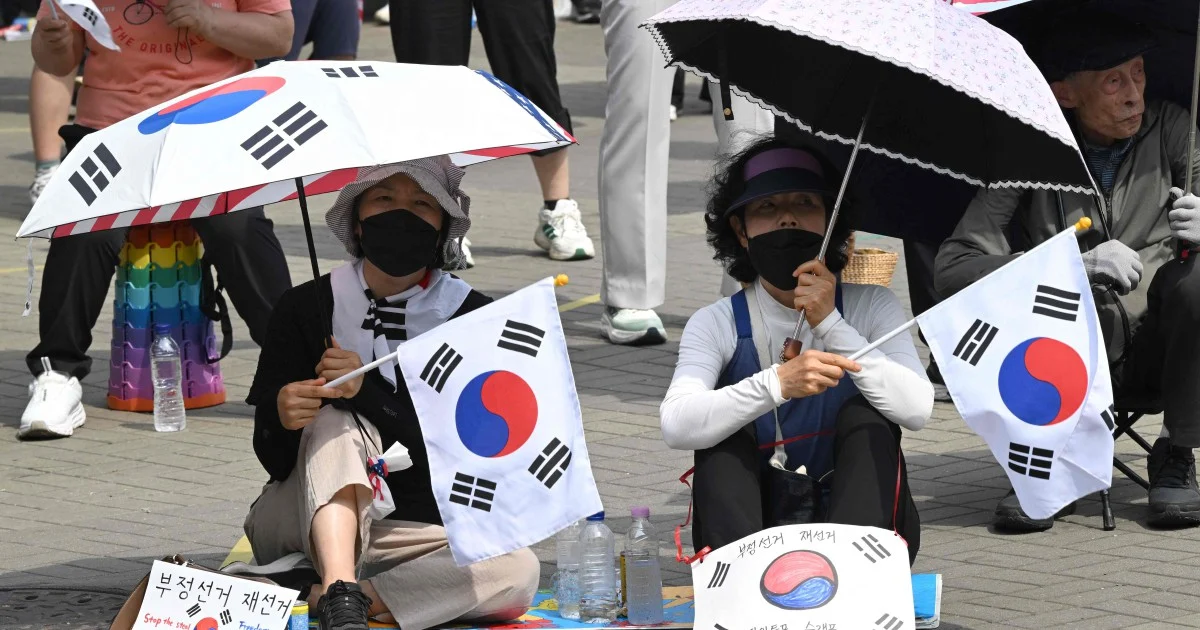
South Korea's parliament has formally launched a 45-day inquiry into the National Election Commission following operational failures during the country's June 3 local elections, with lawmakers approving the investigative framework at a plenary session on Thursday. The decision signals growing legislative concern over institutional weaknesses within the electoral management system and reflects broader anxieties about the integrity of South Korea's democratic processes, which have historically been regarded as among Asia's most robust.
The ballot paper shortage that prompted the investigation represents a significant procedural disruption. During the June 3 local elections, numerous polling stations across the country experienced insufficient quantities of printed ballots, forcing election officials to implement emergency measures and creating confusion among voters in multiple jurisdictions. Such shortages are exceptionally rare in South Korea's modern electoral history and raised urgent questions about resource planning, distribution logistics, and contingency preparedness within the election administration system.
The 45-day timeframe gives parliament's investigative committee sufficient scope to examine the root causes of the shortage, trace responsibility through the National Election Commission's organisational hierarchy, and evaluate whether systemic weaknesses or procedural lapses contributed to the disruption. This duration allows for comprehensive document review, witness testimony, and analysis of election-day protocols that were implemented across the country.
For Malaysian observers and Southeast Asian election analysts, the South Korean response demonstrates how developed democracies approach accountability for electoral administration failures. Rather than treating such matters as routine operational issues, South Korea's parliament recognised the incident's significance to public confidence in democratic institutions, warranting formal legislative scrutiny. This contrasts with varying approaches across the region, where electoral irregularities sometimes receive less intensive official investigation.
The National Election Commission, as the subject of parliamentary investigation, faces potential criticism regarding its resource allocation, staff training, and preparation protocols. Election commissioners and senior administrative officials may be required to justify their planning decisions ahead of the June 3 poll and explain how demand forecasting was calculated. Questions will likely focus on whether the Commission adequately anticipated voter turnout, printed sufficient ballot quantities with appropriate safety margins, and maintained proper distribution networks.
Investigators will probably examine whether the shortage affected specific regions disproportionately or whether it was distributed relatively evenly across polling stations nationwide. Such analysis helps determine whether problems stemmed from centralised planning failures or implementation breakdowns at the regional level. Additionally, the inquiry may assess whether voters in affected areas were adequately accommodated and whether alternative voting procedures were properly executed when physical ballots were unavailable.
The incident also raises questions relevant to South Korea's broader electoral infrastructure amid increasing demands on voting systems. As the population evolves and electoral participation patterns change, election commissions must maintain sophisticated forecasting capabilities. The ballot shortage suggests potential gaps in the Commission's analytical capacity or contingency planning, issues that extend beyond simple operational oversight.
Regional democratic institutions will watch this investigation closely, as it may establish precedents for how electoral administration failures are addressed in sophisticated democracies. The inquiry's findings could influence how other Asian election commissions approach their own resource planning and risk management protocols, particularly in countries where electoral credibility remains contested or where institutional accountability mechanisms are developing.
For South Korea specifically, the parliamentary investigation represents an important mechanism for preserving institutional legitimacy. By subjecting the National Election Commission to formal scrutiny, parliament demonstrates that even established, generally well-regarded institutions remain accountable to elected representatives and, ultimately, to voters. This approach strengthens confidence that electoral administration concerns will be taken seriously rather than dismissed as minor administrative matters.
The investigation may also trigger broader discussions about modernising South Korea's electoral infrastructure. Questions about whether paper ballots remain the optimal voting mechanism in a technologically advanced democracy, how digital tools might supplement or verify ballot counts, and whether election staff numbers and training are adequate could emerge from the inquiry. Such discussions occur periodically in most mature democracies and often reflect genuine efforts to strengthen electoral processes.
Parliament's decision to pursue a formal investigation underscores that electoral administration, while technically non-partisan, remains fundamentally important to democratic governance. South Korea's major political parties apparently recognised sufficient shared interest in understanding what transpired during the June 3 elections to support the investigative framework, suggesting that concerns about the Commission's performance transcended typical partisan divisions.
Stakeholders including international election observers, civil society organisations monitoring Korean democracy, and citizens who encountered difficulties voting during the June 3 elections will likely follow the investigation's progress. The eventual findings and any recommendations for systemic improvements could reshape how the National Election Commission operates for future municipal, legislative, and presidential elections in South Korea.