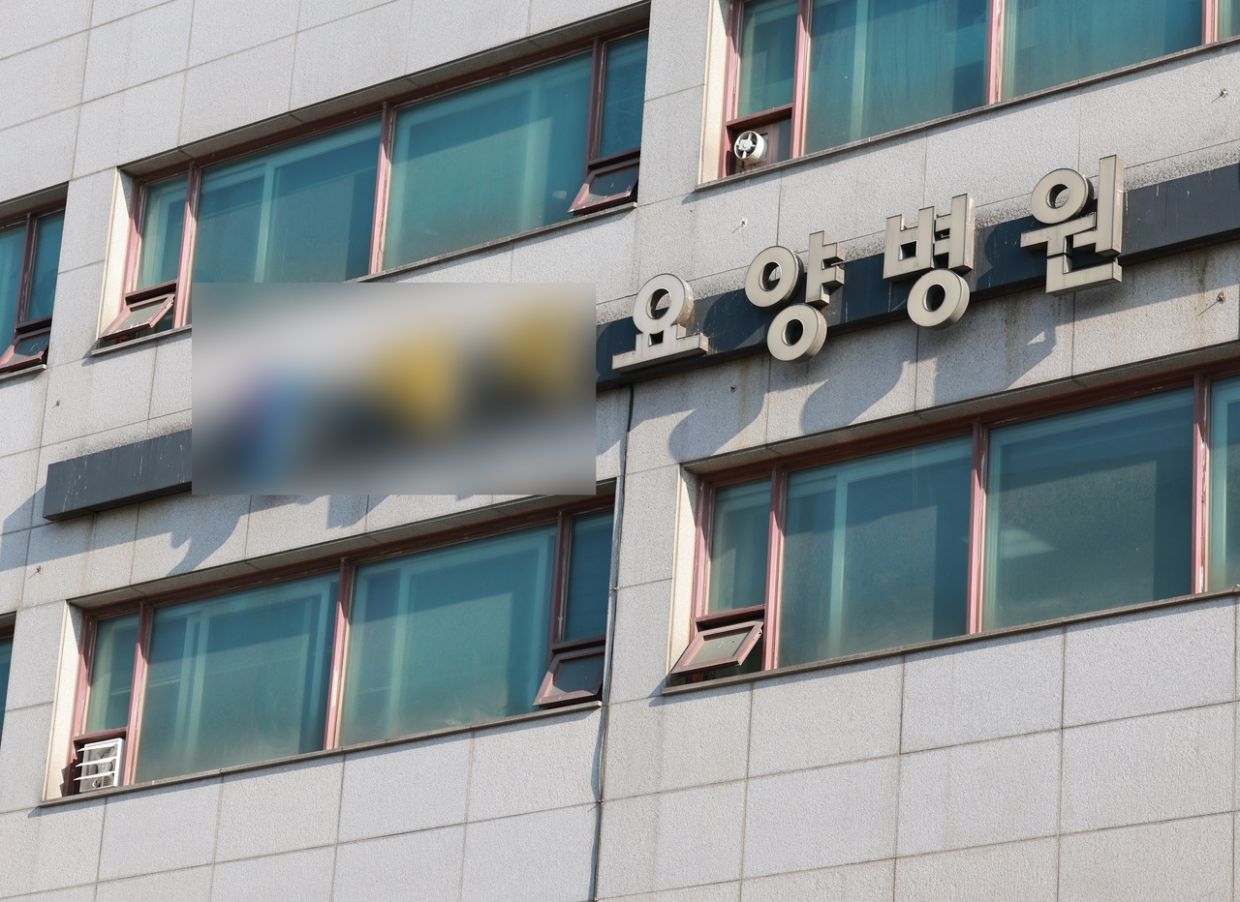
Incheon police have concluded that a human leg found at a recycling centre last week was unintentionally thrown away as waste by a local nursing hospital, validating concerns raised by hospital administrators two days before the formal announcement on Friday, June 19. The discovery has triggered a regulatory investigation into whether the institution violated South Korea's strict medical waste disposal protocols, with authorities now examining the broader circumstances surrounding the patient's treatment and the hospital's operational standards.
The amputated limb belonged to a female patient in her eighties who underwent the procedure at the Jung-gu nursing hospital in Incheon. Initial classification of the material as medical waste was correct according to hospital protocol, but the actual disposal process went awry when a member of the cleaning staff, aged in their sixties, placed it with general recycling materials. According to investigators, the employee mistakenly believed the appendage was a prosthetic limb from a mannequin rather than human tissue, a critical error that resulted in the leg reaching the Southern Regional Resource Recovery Centre on June 10 at approximately 2.28pm.
The discovery sparked immediate police involvement, with forensic specialists from the National Forensic Service conducting preliminary analysis to confirm the material's origin and nature. Subsequent DNA testing proved decisive in establishing a clear connection between the recovered leg and the elderly patient treated at the Jung-gu facility, eliminating initial uncertainties and directing investigative focus toward operational failures within the hospital's waste management systems. The confirmation process demonstrated that proper procedures for medical waste handling had not been followed despite the hospital's initial correct categorisation of the material.
Although the police investigation has determined that no criminal intent or foul play was involved in the disposal of the human tissue, the institution now faces potential accountability under South Korea's Wastes Control Act. This legislation explicitly requires that medical waste be segregated and disposed of exclusively through government-approved containers and designated facilities, meaning the mixing of amputated limbs with general recyclable materials constitutes a clear breach of environmental and medical waste regulations. The case highlights systemic vulnerabilities in how medical institutions enforce their own internal safety protocols among cleaning and support staff.
Investigators are currently scrutinising whether the hospital adhered to all relevant legal requirements when handling and discarding the amputated material, with particular attention to staff training and supervision procedures. The focus extends beyond simple waste classification and disposal, as authorities have also initiated a separate review to determine whether the Medical Service Act was violated in connection with the amputation procedure itself. This dual-track investigation suggests that concerns about the hospital's operational standards and regulatory compliance may extend to clinical practices beyond waste management alone.
A significant complication in the investigation centres on whether the Jung-gu nursing hospital possessed the necessary medical equipment and surgical facilities to perform amputation procedures. Multiple allegations suggest the facility lacks appropriate infrastructure for such interventions, potentially indicating that the patient underwent major surgery at an institution inadequately equipped for the procedure. Police officials have adopted a cautious stance regarding these claims, refraining from making definitive statements until they complete consultations with relevant medical oversight bodies, indicating the complexity of evaluating whether proper medical protocols were followed throughout the patient's care.
The police investigation has encountered complications in establishing what specific criminal penalties, if any, might apply under the Medical Service Act regarding the alleged amputation. A police official confirmed that authorities plan to seek guidance from the Korean Medical Association, the Ministry of Health and Welfare, and legal specialists before finalising their conclusions about potential violations and applicable sanctions. This consultative approach reflects the nuanced regulatory framework governing medical practice in South Korea and the difficulty of assigning criminal liability when institutional failures rather than individual negligence appear to have occurred.
Family members of the elderly patient have provided testimony that illuminates the circumstances leading to her treatment at the nursing facility. According to their accounts, the patient was transferred to the Jung-gu nursing hospital after multiple other medical institutions declined admission, citing her severely deteriorating health condition and complex medical needs. This background suggests that the elderly woman may have had limited options for appropriate care, potentially constraining the family's ability to seek treatment at facilities with superior infrastructure and safety standards. The situation underscores ongoing challenges within South Korea's healthcare system regarding provision of adequate care for vulnerable elderly patients.
For Malaysian and Southeast Asian observers, this case illustrates the critical importance of regulatory oversight in medical institutions and the dangers arising from inadequate staff training and supervision in hospital waste management systems. While South Korea maintains developed healthcare infrastructure and regulatory frameworks, the incident demonstrates that lapses can occur even in advanced economies when internal protocols are not rigorously enforced. The investigation's emphasis on consulting multiple governmental and professional bodies before determining appropriate penalties reflects a deliberately cautious approach to medical regulation, though it may extend resolution timelines when systemic failures are identified.
The incident also raises broader questions about quality assurance and facility standards in nursing homes and smaller medical institutions that care for elderly populations. Many countries throughout Asia continue to expand long-term care capacity as populations age, sometimes creating establishments with limited resources and inadequate regulatory oversight. The Incheon case suggests that simply possessing medical waste disposal containers and classification procedures proves insufficient without genuine institutional commitment to proper implementation, regular staff training, and supervisory systems that catch errors before materials enter the general waste stream. South Korean authorities' determination to investigate the full range of potential violations, rather than limiting scrutiny to waste disposal alone, provides valuable precedent for how regulators should address systemic institutional failures that compromise patient safety and dignity.