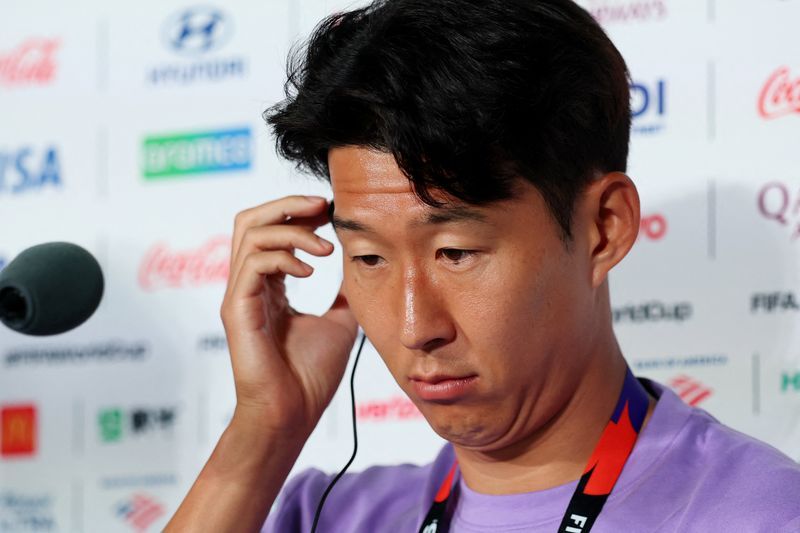
The South Korean national football team has staged a boycott of media responsibilities during the World Cup after journalists from the country were caught making disparaging comments about captain Son Heung-min's military service obligations, according to multiple reports from the tournament venue in Miami on June 16. The players' decision to withdraw cooperation from press duties represents an unusual and pointed response to the alleged mockery, which was captured during an unguarded moment when reporters thought their microphones were not recording.
The controversy centres on Son's completion of mandatory military service, a deeply significant aspect of South Korean society and a matter that carries substantial national importance. All able-bodied men in South Korea are required to serve approximately 21 months in the military as part of the nation's strategic posture against North Korea. This obligation has long been a defining experience for South Korean males and remains woven into the country's collective identity and citizenship expectations. For footballers, the prospect of military service has traditionally represented a significant interruption to their professional careers, making exemptions particularly coveted and celebrated.
Son and his teammates secured an exemption from this requirement through their sporting achievements, having claimed the gold medal at the 2018 Asian Games. Under South Korean law, athletes who win medals at the Olympic Games or secure gold at the Asian Games are granted this special dispensation. Son, now 33 years old, earned this distinction as a member of the triumphant squad that year. Notably, the former Tottenham Hotspur forward did undergo a condensed three-week basic military training programme in 2020, during which he experienced intensive physical challenges including exposure to tear gas, live-fire exercises, and endurance marches covering 30 kilometres. This training took place during the suspension of the Premier League due to the COVID-19 pandemic, allowing him to fulfil this commitment without derailing his club career.
The Korea Football Association swiftly responded to the incident with an official statement expressing regret over the journalists' conduct. The KFA acknowledged that the remarks, which were inadvertently broadcast or leaked, had caused considerable distress and disappointment to the playing squad. The association framed the controversy as undermining the team's focus and morale at a critical moment in their World Cup campaign. The statement emphasised that the players, known collectively as the Taegeuk Warriors, were committed to representing their nation with distinction on football's grandest stage and deserved an environment free from such negativity.
Beyond the immediate apology, the KFA used the incident to address broader concerns about media culture surrounding the national team. The federation called upon media outlets to demonstrate greater consideration and adopt more responsible attitudes towards the squad. This appeal reflects growing tensions between professional sports organisations and press corps that may prioritise sensationalism or personal critique over supporting national representatives. The KFA pledged its ongoing commitment to safeguarding players' wellbeing and working to establish a healthier, more constructive media ecosystem around South Korean football.
The boycott of media duties, while symbolically significant, faces practical constraints imposed by international football governance. FIFA's regulations mandate that teams must fulfil certain media obligations during World Cup tournaments, leaving the South Korean squad unable to sustain a complete withdrawal from journalistic access. This means that despite the current tensions, the players will ultimately be required to participate in scheduled press conferences and interviews as stipulated by the competition's organisational framework. The standoff therefore represents a temporary protest rather than a sustainable long-term position.
For Malaysian and Southeast Asian sports observers, this incident highlights the complex relationship between national pride, media responsibility, and international sporting competition. The controversy underscores how quickly tensions can escalate when journalists cross perceived lines of respect regarding sensitive national issues. Military service in South Korea carries profound symbolic weight that extends beyond military necessity into questions of national identity and social obligation. When reporters mock a player for fulfilling such duties—even if exempted—they are touching upon deeply ingrained cultural sensitivities.
The incident also illustrates the unique pressures faced by athletes representing their countries on the world stage. Unlike club football, where players operate within established professional hierarchies and contractual frameworks, international competitions invest players with representational responsibilities that transcend sport itself. South Korean players are acutely aware that their performances reflect upon their nation's standing globally, and distractions such as media antagonism can genuinely affect their concentration and morale.
Furthermore, this episode demonstrates how social media and instant communications have transformed journalistic accountability. The phrase "hot mic" suggests that journalists made remarks they would not have made on record, indicating awareness that their comments would be inappropriate for public attribution. This reality—that damaging remarks can now be captured and circulated instantaneously—has created new ethical demands for media personnel. South Korean journalists' apparently thoughtless commentary has now become a international story, damaging the reputation of both the individuals involved and the broader South Korean sports media ecosystem.
For regional sports administrators and media organisations across Southeast Asia, the incident offers a cautionary lesson about the responsibilities that accompany press credentials. While media freedom and critical scrutiny remain essential components of healthy sports culture, there exists a distinction between legitimate criticism of athletic performance and personal attacks on players' character or patriotic choices. The boundary between these becomes especially fraught when addressing culturally significant matters such as mandatory military service.