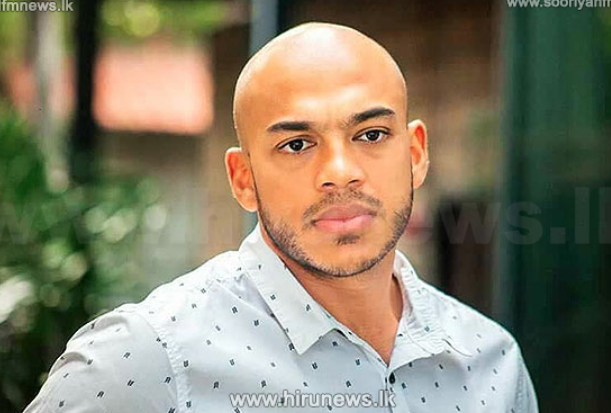
Authorities in Colombo have arrested Yoshitha Rajapaksa, the 38-year-old son of former president Mahinda Rajapaksa, on corruption-related charges stemming from allegations of improper advancement through naval ranks and misuse of state resources for overseas training. The Bribery Commission confirmed the detention on Wednesday, marking another significant development in what has become an intensifying legal reckoning for one of South Asia's most prominent political families.
The charges centre on Yoshitha's progression through the naval officer ranks despite reportedly lacking the minimum qualifications required for such advancement, coupled with his subsequent attendance at Dartmouth, Britain's renowned naval college, funded entirely by state resources. The corruption investigation alleges that he received preferential treatment in his military career, circumventing standard merit-based selection processes that would normally govern such appointments. His case illustrates a pattern of allegedly exploiting political connections within military institutions—a phenomenon that resonates across Southeast Asia, where civilian-military power dynamics frequently intersect with questions of institutional integrity.
The arrest follows what investigative authorities describe as a constellation of financial irregularities spanning his adult life. Yoshitha currently faces additional criminal prosecution related to his inability to adequately explain the origins of funds used to purchase residential property while his father occupied the presidency between 2005 and 2015. When questioned by investigators, he claimed the money derived from selling gemstones gifted by his grandaunt, though this explanation has encountered credibility issues after the relative could not satisfactorily account for how she originally acquired the valuable stones. This line of questioning reflects broader concerns about asset accumulation within the family during their years in power.
Compounding these difficulties, the younger Rajapaksa faces a separate prosecution concerning his acquisition of a television network, another transaction that authorities have scrutinized for potential financial impropriety. He had previously been charged in two money-laundering investigations and was subject to foreign travel restrictions, remaining free on bail until this week's arrest. The accumulation of pending cases suggests a comprehensive examination of his financial conduct rather than isolated incidents.
The circumstances surrounding his attendance at Dartmouth have become particularly emblematic of broader criticisms directed at the Rajapaksa family's tenure in power. While Yoshitha benefited from what his supporters characterize as a legitimate educational opportunity, opponents argue his selection displaced a more qualified naval cadet who had earned admission through competitive merit-based assessment. Such claims resonate within discussions about meritocracy and institutional fairness in military establishments across the region, where questions about preferential treatment and nepotism periodically surface.
This arrest reflects a fundamental political shift within Sri Lanka following the September 2024 election victory of President Anura Kumara Dissanayake, who campaigned explicitly on promises to aggressively combat corruption and hold powerful figures accountable for alleged wrongdoing. His administration has signalled its intent to revitalize dormant investigations and prosecutions targeting the Rajapaksa family members and their close associates, many of whom had faced charges previously without resolution. The acceleration of cases under the new government demonstrates how electoral outcomes in post-crisis economies can reset the enforcement priorities of anti-corruption institutions.
The Rajapaksa family's legal troubles extend well beyond Yoshitha, encompassing multiple relatives and associates facing diverse charges including corruption, financial crimes, and even allegations connected to the devastating Easter Sunday bombings of 2019. Mahinda Rajapaksa himself, who served as president and later held ministerial positions, has faced various investigations, though he currently resides in Malaysia following his departure from Sri Lanka in 2022. His younger brother Gotabaya, who assumed the presidency in 2019 following Mahinda's earlier administration, was forced from office in 2022 during a massive public uprising triggered by an unprecedented economic catastrophe. Gotabaya recently received a foreign travel ban and has petitioned courts to prevent his arrest regarding potential responsibility for security failures that preceded the 2019 bombings, which claimed 279 lives.
The timing and intensity of prosecutions targeting the Rajapaksa dynasty carry significance for Sri Lanka's post-crisis recovery and regional governance discussions. Southeast Asian observers monitor these developments closely, as they illuminate how emerging democracies navigate accountability for political elites after periods of concentrated executive power. The cases test the independence of judicial institutions and anti-corruption agencies, particularly when these mechanisms confront families possessing substantial residual political influence and financial resources capable of mounting lengthy legal defences.
Malaysian and other Southeast Asian readers may recognize structural parallels within these proceedings, as several nations across the region grapple with similar dilemmas regarding elite accountability and institutional reform following leadership transitions. The Sri Lankan experience demonstrates both the potential for prosecutorial action against entrenched power structures and the formidable obstacles involved in sustaining such efforts through protracted court processes. Yoshitha Rajapaksa's arrest, while significant, represents merely one component within a broader, multifaceted legal confrontation between Sri Lanka's reformed governance architecture and a family whose political dominance shaped the nation's recent history.