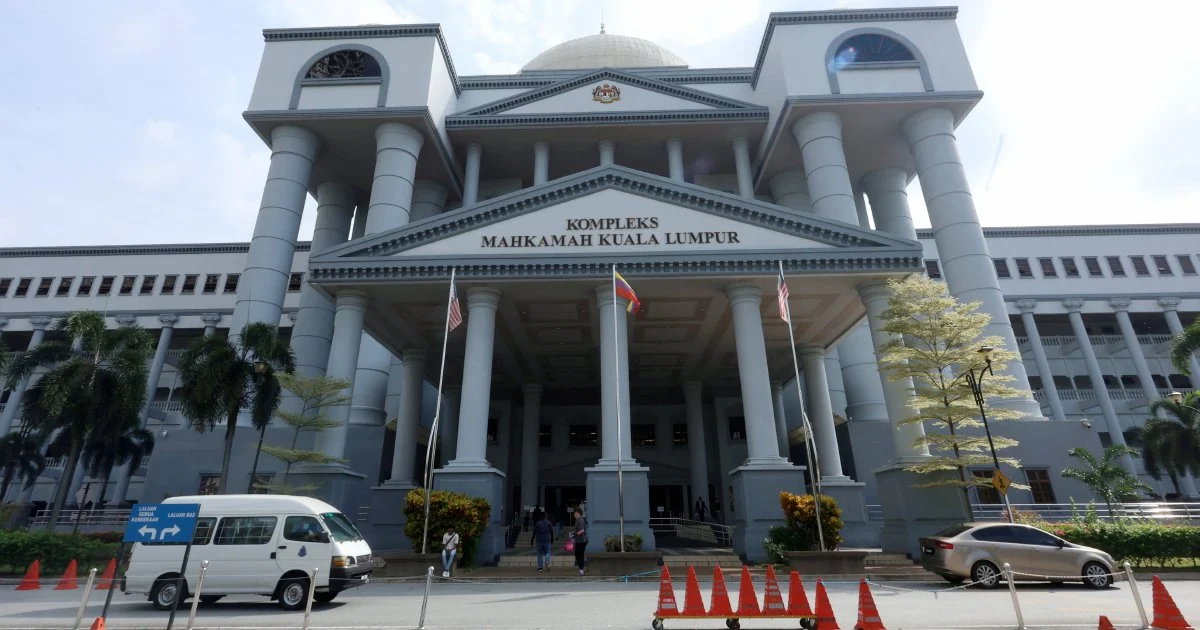
A high-ranking executive from a Malaysian statutory body is set to appear in court to face serious corruption allegations, marking another chapter in ongoing anti-graft efforts by authorities. The chief executive officer stands accused of seven separate counts involving solicitation and acceptance of bribes totalling more than RM1 million, allegations that centre on procurement processes for sports facility projects. The legal proceedings underscore the continued vigilance of enforcement agencies in addressing potential malfeasance within government-linked organisations, where spending on infrastructure and facilities regularly attracts scrutiny.
The charges relate specifically to sports facility development, a sector where transparency remains a persistent challenge across Malaysia and the broader Southeast Asian region. Such projects typically involve substantial public expenditure and complex tendering procedures, creating environments where officials with decision-making authority can potentially exercise undue influence over contractor selection and project allocation. The magnitude of the alleged bribe amount—exceeding RM1 million—suggests either numerous transactions or significant sums exchanged in individual instances, indicating a pattern of conduct rather than isolated lapses in judgment.
The Sessions Court appearance represents an escalation in formal legal proceedings against the individual, moving beyond investigation phases into the criminal justice system proper. Multiple charges of this nature typically reflect prosecutorial confidence in the evidentiary foundation, with investigators likely having gathered documentation, financial records, and potentially witness testimony to substantiate the allegations. The number of separate counts suggests the alleged misconduct occurred across multiple transactions or involved different recipients or beneficiaries, complicating the individual's legal defence and potentially exposing layers of systemic vulnerability within the organisation's oversight mechanisms.
Statutory bodies in Malaysia hold significant public trust and manage considerable resources, making internal integrity particularly important. These organisations often operate at arm's length from direct parliamentary oversight, creating administrative space that requires robust internal controls and ethical frameworks. When leadership figures within such entities face corruption allegations, it raises questions about the adequacy of existing governance structures, audit procedures, and whistleblower protections. The incident will likely prompt reviews of how similar bodies manage procurement processes and monitor senior management conduct.
The sports facilities sector warrants particular attention given its importance to national development and public health objectives. Investment in quality sporting infrastructure supports athlete development, community engagement, and tourism appeal, making it essential that such funds reach their intended purpose rather than enriching corrupt intermediaries. The involvement of a statutory body chief executive in alleged bribery potentially compromised multiple facility projects, either through inflated costs passed to consumers or through selected contractors delivering substandard work due to awarding decisions based on corrupt arrangements rather than merit.
Anti-corruption enforcement in Malaysia has intensified in recent years, with the Malaysian Anti-Corruption Commission playing an increasingly visible role in investigating high-profile cases involving public sector figures. This case exemplifies the determination to pursue allegations at senior levels of government and government-linked organisations, though observers note that successful prosecution rates and meaningful sentencing remain variable. The public nature of such proceedings also serves a deterrent function, signalling to officials that misconduct carries real legal consequences.
The alleged bribery pattern carries implications for Malaysian business relationships with statutory bodies. Contractors and service providers may have faced pressure to make illicit payments to secure projects, distorting market competition and inflating costs. The conduct potentially affected multiple stakeholders—from businesses excluded from opportunities through corrupt arrangements to taxpayers bearing the ultimate financial burden through either inflated contract values or poor project quality resulting from selection based on corruption rather than capacity.
For the statutory body itself, the allegations necessitate institutional response beyond merely addressing the individual executive. Management should examine what systemic weaknesses enabled the alleged conduct, whether other officials engaged in similar practices, and what preventive measures require implementation. Such reviews typically include evaluation of procurement procedures, financial approval chains, conflict-of-interest policies, and mechanisms for reporting suspected impropriety without fear of retaliation.
The case also reflects broader governance challenges facing the region. Southeast Asian nations grapple consistently with balancing development ambitions requiring government procurement with the need for integrity and efficiency in spending. Malaysia's approach—combining enforcement against suspected wrongdoing with institutional reform—mirrors strategies adopted elsewhere, though outcomes vary significantly depending on political will and resource allocation to anti-corruption agencies.
Courts handling such cases face significant public interest, as these proceedings directly affect public confidence in institutional integrity. The Sessions Court proceedings will likely attract scrutiny from civil society organisations, media, and taxpayer groups seeking accountability. The outcomes will influence perceptions of whether senior officials face equal justice or whether wealth and position provide protection from consequences that ordinary citizens would face.
Regardless of the trial's outcome, the case underscores persistent tensions in public sector governance where substantial resources, regulatory authority, and procurement decisions concentrate in individual hands. Malaysian authorities and statutory bodies would benefit from examining whether current safeguards sufficiently prevent opportunity for misconduct, whether those safeguards function effectively in practice, and whether detection and enforcement mechanisms respond quickly when breaches occur. Only through such systematic attention can public institutions rebuild trust and ensure that resources genuinely serve public interest.


