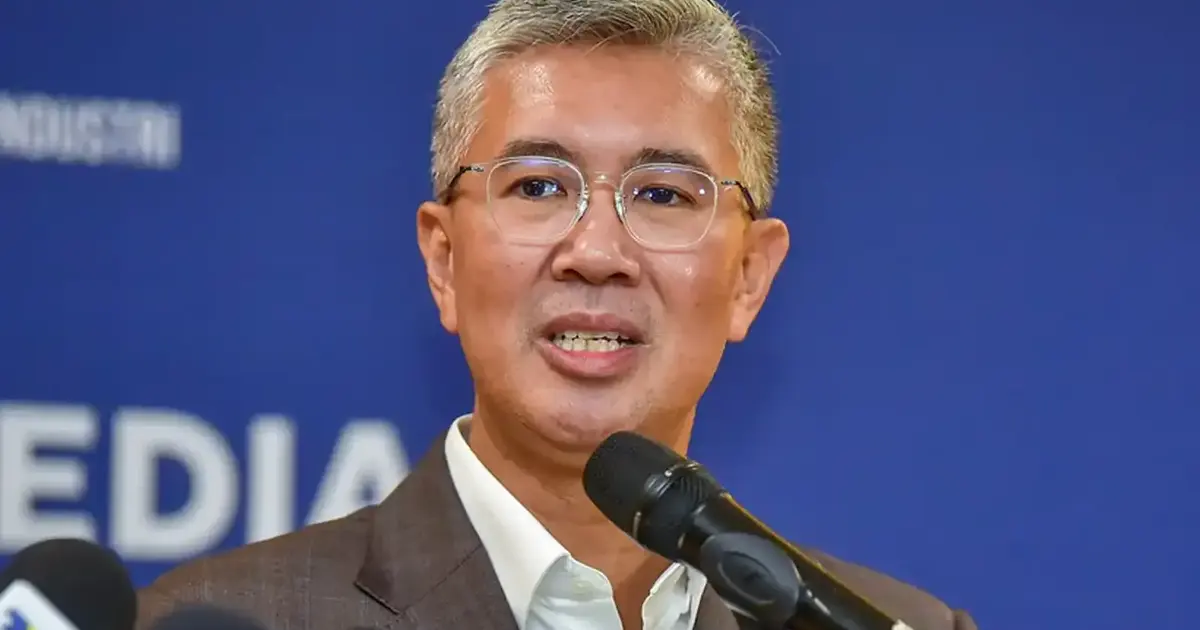
Tengku Zafrul, the former finance minister who sat out much of the recent parliamentary term, is signalling strong interest in making a political comeback by contesting a seat in Selangor at the next general election, sources indicate. The move represents a potential shift in the veteran politician's trajectory following a setback at the ballot box in the last round of voting, when he faced defeat in a high-stakes contest that highlighted changing electoral dynamics in the state.
At the 15th general election held in November 2022, Tengku Zafrul stood as Umno's candidate in Kuala Selangor, one of Malaysia's long-held battlegrounds where political fortunes have swung dramatically across recent election cycles. His campaign proved unsuccessful against Dzulkefly Ahmad, the sitting Amanah vice-president who managed to retain the constituency despite a fluid electoral landscape and shifting voter sentiment in the crucial state of Selangor. That outcome left Tengku Zafrul outside Parliament and prompted reflection on his political standing within Umno's hierarchy.
The prospect of Tengku Zafrul seeking a Selangor seat represents more than a simple attempt at rehabilitation following electoral defeat. It signals a broader recalibration within Umno's state machinery and suggests the party remains committed to strengthening its presence across constituencies where it faced unexpected headwinds in recent years. Selangor, Malaysia's most urbanised state and economic engine, has become increasingly competitive territory where traditional power bases can no longer guarantee electoral success, forcing major parties to invest heavily in candidate selection and campaign strategy.
Tengku Zafrul's ministerial background, particularly his tenure in the finance portfolio during critical periods of Malaysia's economic management, lends him notable credentials within elite political circles. His potential candidacy would likely appeal to Umno strategists seeking candidates with recognised administrative experience and public prominence, qualities that poll strategists believe resonate with certain voter demographics in Selangor's mixed urban and semi-urban constituencies.
However, any fresh attempt must contend with the realities that shaped his GE15 experience. Dzulkefly Ahmad's retention of Kuala Selangor reflected broader patterns of voter migration away from Umno in the state, particularly among younger, urban, and middle-class voters concerned about governance, corruption, and political renewal. These constituencies favour opposition coalitions, and Tengku Zafrul would need to navigate not only direct opposition candidates but also shifting public perceptions about Umno's direction and leadership credibility.
The timing of Tengku Zafrul's interest in fresh electoral representation carries implications for Umno's broader strategic planning. General election cycles occur within constitutionally prescribed windows, with the next poll potentially occurring no earlier than 2027 when Parliament's five-year term expires. This extended timeframe allows for recalibration of campaign messages, adjustment of party positioning, and identification of constituencies offering the best prospects for Umno recovery, particularly in critical states like Selangor where the party's dominance has eroded substantially.
Selangor's political significance extends beyond state boundaries. As Malaysia's wealthiest state with the largest urban middle class, electoral trends originating there frequently foreshadow national patterns. Umno's performance in Selangor constituencies directly impacts its bargaining power within federal coalitions and affects the overall arithmetic of parliamentary mathematics. A strengthened Umno showing in the state could substantially enhance the party's positioning ahead of negotiations concerning government formation and ministerial portfolios.
For Malaysian voters and political observers tracking institutional developments, Tengku Zafrul's ambitions underscore how even senior figures must earn electoral validation and cannot assume safe passage back to Parliament based purely on previous rank or experience. The democratisation of political opportunity, where age-old patronage networks face scrutiny and incumbency provides diminishing advantages, reflects Malaysia's maturing electoral environment where voter behaviour has become less predictable and more demanding of demonstrable performance and authentic engagement.
Tengku Zafrul's potential candidacy also highlights Umno's need to refresh its talent pipeline and present candidates capable of appealing across generational and socioeconomic divides. Whether he ultimately contests a Selangor seat in GE16 will depend on internal party deliberations, coalition negotiations, and assessments of specific constituencies' viability. His experience navigating complex political systems and high-level policymaking could prove valuable, yet the electoral market ultimately determines whether such credentials translate into voter confidence and legislative representation.