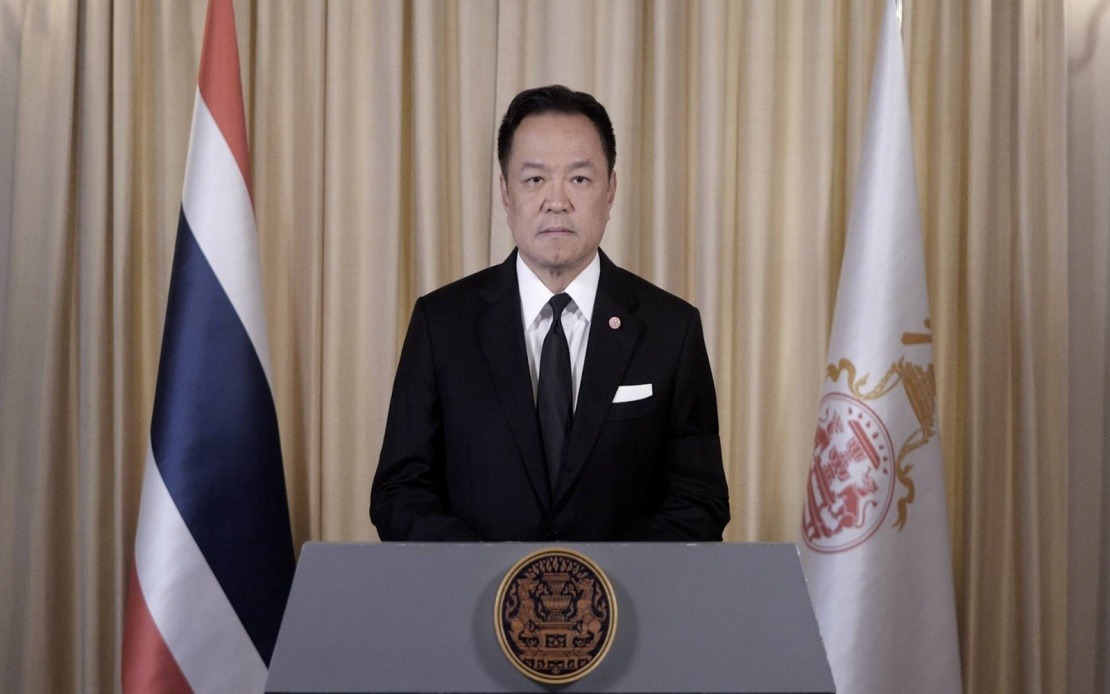
Thailand's leadership sees potential economic gains from a ceasefire between the United States and Iran, with Prime Minister Anutin Charnvirakul signalling that any breakthrough in Middle Eastern tensions would represent a stabilising force for the broader global economy and particularly beneficial for Bangkok's interests. Speaking at the Government House on Monday, Anutin welcomed indications that the two nations had reached an accord, framing such a development as instrumental in reducing multiple concurrent global pressures that have weighed on developing economies throughout Southeast Asia.
The Thai prime minister emphasised that his government has developed sufficient institutional capacity to absorb external economic shocks, pointing to the country's adaptive management of international supply chain disruptions over recent years. Rather than adopting reactive policies that shift with daily geopolitical developments, Anutin indicated that Thailand pursues deliberate, long-term strategic frameworks designed to weathering uncertainty. This measured approach reflects Bangkok's experience navigating multiple simultaneous crises, from pandemic-driven supply complications to energy market volatility stemming from Middle Eastern tensions.
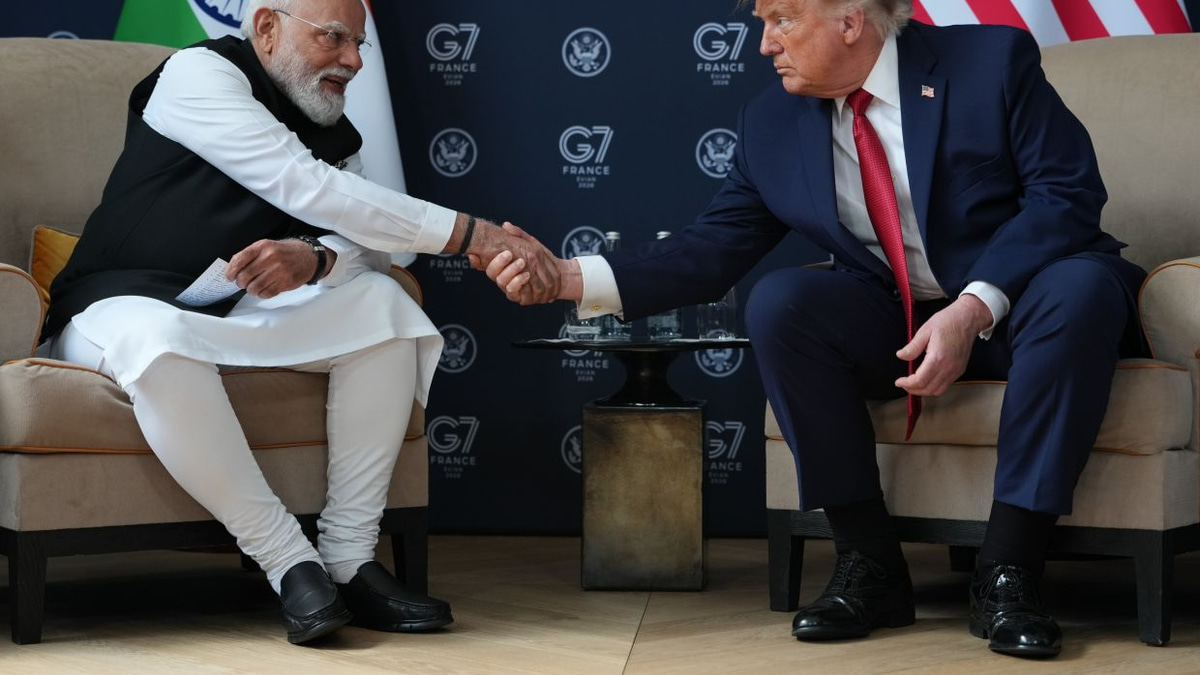
Anutin's comments followed US President Donald Trump's Sunday announcement that negotiations with Iran had concluded successfully, with the American administration signalling its intention to reopen the strategically vital Strait of Hormuz and terminate a naval blockade that had constrained regional shipping. The prospect of restored passage through this chokepoint carries profound implications for energy-dependent economies across Asia, where crude oil and liquefied natural gas markets have experienced price volatility linked to Middle Eastern supply uncertainties. For Thailand, which imports substantial quantities of petroleum and natural gas to fuel its manufacturing sector and generate electricity, such developments directly influence production costs across industries.
Deputy Prime Minister and Finance Minister Ekniti Nitithanprapas expanded on the economic implications, explicitly linking potential conflict resolution to improved conditions for both Thailand's domestic economy and the global system more broadly. By reducing geopolitical risk premiums embedded in oil markets, a genuine ceasefire would theoretically allow energy prices to reflect underlying supply and demand fundamentals rather than uncertainty about Middle Eastern disruption. For Southeast Asian nations with limited domestic fossil fuel reserves, this distinction matters considerably, as energy costs substantially influence competitiveness in manufacturing and logistics sectors that anchor regional trade.
Ekniti acknowledged that the government remains vigilant regarding inflationary pressures that have complicated household budgets and constrained small business operations throughout Thailand. However, he articulated confidence that improved global conditions resulting from reduced Middle Eastern tensions could support economic expansion exceeding current official projections. This optimism reflects recognition that Thailand's growth trajectory depends significantly on external demand and international market stability, factors beyond Bangkok's direct control but increasingly within reach if major geopolitical risks diminish.
The Finance Minister's remarks also underscored Thai policymakers' understanding that energy markets remain central to macroeconomic management. Rising energy costs have historically transmitted through supply chains to inflate consumer prices and reduce purchasing power, ultimately dampening growth. Conversely, stable or declining energy prices provide operational breathing room for businesses and households alike, potentially creating conditions where central banks and finance ministries can pursue less restrictive policies to stimulate growth.
A noteworthy aspect of Ekniti's position involves Thailand's continued commitment to its 200-billion-baht energy transition programme despite expectations that reduced Middle Eastern tensions might lower global oil prices. This stance reflects sophisticated long-term thinking rather than short-term opportunism. Thai officials recognise that geopolitical stability, while welcome, does not fundamentally alter the reality that petroleum remains a finite resource whose depletion poses challenges for future generations. Additionally, energy transition investments address climate imperatives increasingly central to Thailand's international standing and investment climate.
Thailand's energy-dependent economy makes Middle Eastern stability more than an abstract international relations concern. The country relies on imported oil and natural gas for approximately 70 percent of commercial energy consumption, ranking among Asia's higher import dependencies. Manufacturing exports, which generate crucial foreign exchange and employment, depend on reliable, affordable energy inputs. Tourism, Thailand's other major revenue source, requires stable electricity supplies and transportation fuel costs to remain competitive with regional alternatives. Thus, anything affecting energy market stability carries direct domestic consequences.
The government's measured optimism must be contextualised within broader Southeast Asian dynamics. Regional nations compete for market share in industries sensitive to energy costs, meaning that benefits from Middle Eastern stabilisation would distribute unevenly. Countries with superior energy efficiency or domestic renewable capacity might outcompete Thailand over time. Conversely, Thai investments in energy transition infrastructure position the country advantageously for long-term competitiveness as global energy markets eventually shift away from fossil fuels, regardless of near-term Middle Eastern developments.
Anutin's emphasis on long-term strategic planning rather than reactive management reflects Bangkok's experience with surprise disruptions over recent decades. Thailand learned costly lessons from the 1997 Asian financial crisis and subsequent episodes of sudden market volatility, shaping institutional preferences for resilience-building over tactical opportunism. This approach suggests that even positive developments like Middle Eastern de-escalation receive serious consideration primarily as potential contributors to longer-term stability rather than immediate windfalls.
The timing of these remarks carries significance within Thailand's political context. The government faces ongoing questions about economic management following multiple years of subdued growth and elevated household debt. Articulating confidence that global conditions may improve offers reassurance to investors and constituents, though officials carefully avoid overpromising transformation that external agreements alone cannot deliver. This calibrated optimism balances acknowledgement of genuine opportunities against awareness that Thailand's economic trajectory depends ultimately on domestic policy execution and competitive positioning.
For Southeast Asian observers more broadly, Thailand's response illustrates how regional economies remain fundamentally integrated into global systems while seeking whatever autonomy they can construct through strategic planning and diversification. A US-Iran ceasefire, if genuine and enduring, would provide measurable relief to energy-dependent nations throughout Asia. However, such relief operates at the margins of economic performance, potentially supporting somewhat stronger growth and lower inflation rather than enabling structural transformation. Thailand's leadership recognises this reality, explaining why even positive international developments receive serious but measured acknowledgement rather than exuberant celebration.