%22%2F%3E%3C%2Fpattern%3E%3C%2Fdefs%3E%3Crect%20width%3D%22100%25%22%20height%3D%22100%25%22%20fill%3D%22url(%23phynvlg)%22%2F%3E%3Crect%20width%3D%22100%25%22%20height%3D%22100%25%22%20fill%3D%22url(%23phynvlp)%22%2F%3E%3Ctext%20x%3D%2250%25%22%20y%3D%2250%25%22%20text-anchor%3D%22middle%22%20dominant-baseline%3D%22central%22%20fill%3D%22rgba(255%2C255%2C255%2C0.95)%22%20font-family%3D%22Georgia%2C%20'Times%20New%20Roman'%2C%20serif%22%20font-weight%3D%22700%22%20font-size%3D%22272%22%20letter-spacing%3D%22-0.02em%22%3ETokoh%3C%2Ftext%3E%3C%2Fsvg%3E)
Malaysia's Deputy Prime Minister Datuk Seri Dr Ahmad Zahid Hamidi has called on the country's Muslim population to view the achievements of this year's Tokoh Maal Hijrah award recipients as a powerful catalyst for personal and communal progress. The recognition bestowed upon the honourees should galvanize Muslims across the nation to pursue intellectual advancement, strengthen their service to their communities, and actively participate in the broader development of the Islamic ummah and the nation itself. Ahmad Zahid's remarks underscore an understanding that such accolades carry significance beyond individual accomplishment, functioning instead as collective reminders of shared values and aspirations within Malaysia's Muslim majority.
The two recipients whose achievements prompted Ahmad Zahid's call for inspiration represent distinct but complementary facets of Islamic scholarship and leadership. Prof Emeritus Datuk Dr Osman Bakar received the National Tokoh Maal Hijrah Award in recognition of his sustained contributions to Muslim empowerment and the advancement of Islamic knowledge within Malaysia's borders. Simultaneously, Prof Sheikh Dr Ahmad Al-Raysuni, an internationally respected expert in Islamic jurisprudence based in Morocco, was conferred the International Tokoh Maal Hijrah Award. The pairing of a domestic scholar with an international figure reflects Malaysia's positioning as both a regional and global player in Islamic thought and education.
Ahmad Zahid characterized the awards as reflections of profound dedication to elevating the intellectual standing of Muslim communities whilst disseminating Islamic principles that carry practical benefit and wisdom for societies. The framing suggests that the honourees have transcended purely academic or religious work, instead demonstrating how Islamic scholarship can address contemporary challenges and contribute meaningfully to social welfare. This perspective aligns with Malaysia's efforts to present Islam as a progressive, knowledge-based faith responsive to modern needs rather than a static set of historical traditions.
Deputy Prime Minister Datuk Seri Fadillah Yusof similarly endorsed the inspirational value of the awards, extending the message to encompass all Malaysians rather than Muslims alone. His statement emphasized that the recipients' contributions to ummah development merit recognition as exemplars of service and national contribution. Fadillah's broader framing potentially aims to highlight how Islamic scholarship and Muslim leadership strengthen Malaysia as a multiethnic, multifaith nation where diverse communities benefit from the intellectual and moral contributions of each group.
Fadillah introduced a deeper theological dimension by contextualizing the awards within the concept of hijrah, the migration of Prophet Muhammad and his followers from Mecca to Medina in the seventh century. Rather than treating hijrah as merely historical narrative, Fadillah positioned it as an ongoing philosophical framework embodying values of sacrifice, collective unity, perseverance, and purposeful transformation. This reframing proves particularly relevant in Malaysia's contemporary context, where national development requires sustained commitment from all citizens to shared goals transcending individual interest.
The Deputy Prime Minister articulated a vision wherein hijrah's underlying principles should animate efforts to construct a society that harmonizes material progress with moral and spiritual integrity. The emphasis on a "progressive, prosperous and values-based society" reflects ongoing deliberation within Malaysian governance about how rapid development can be balanced against preservation of cultural and religious identity. For a nation navigating tensions between modernization and tradition, this formulation offers a middle path grounded in Islamic historical precedent.
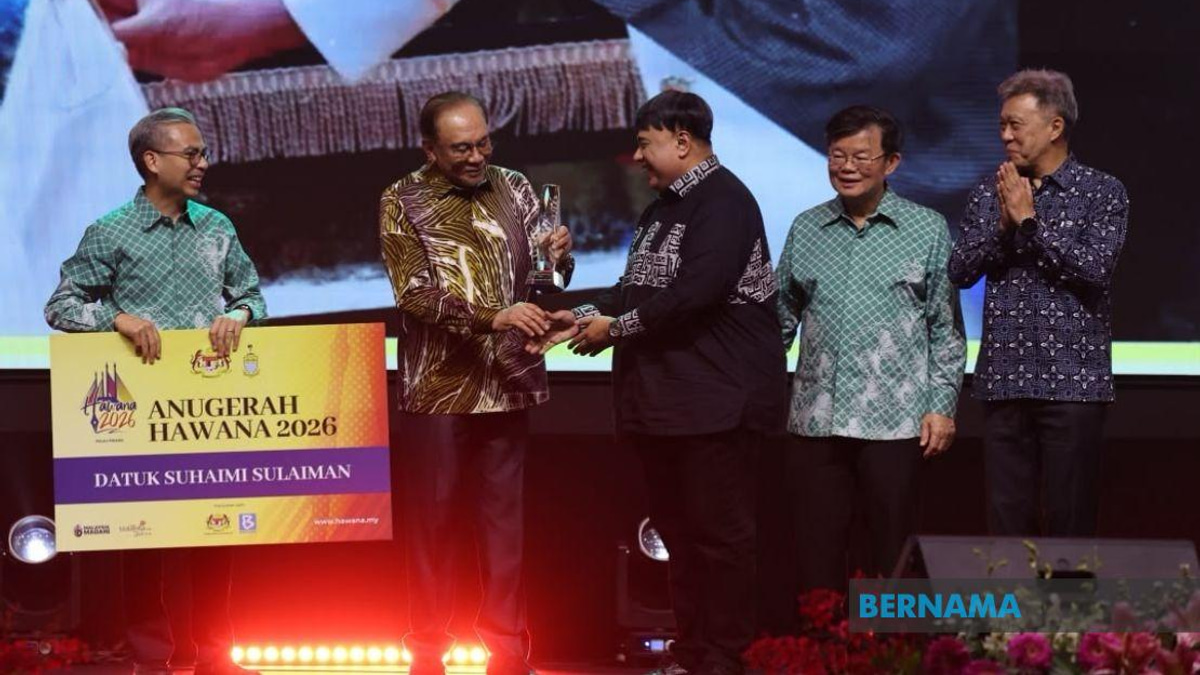
The formal presentation ceremony unfolded at Masjid Putra in Putrajaya, Malaysia's purpose-built federal capital, lending governmental weight and religious solemnity to the proceedings. Sultan Nazrin Shah of Perak, acting in his capacity as patron of the awards, personally conferred both the cash prizes and documentary credentials upon the recipients. The involvement of a reigning monarch emphasizes that recognition of Islamic scholarship carries not merely administrative but constitutional significance within Malaysia's system of governance.
The Tokoh Maal Hijrah awards have become an established mechanism through which Malaysia celebrates and elevates Muslim intellectuals and leaders whose work advances Islamic civilization whilst contributing to national development. The selection process, conducted at the national-level Maal Hijrah celebration, incorporates careful consideration of candidates' demonstrated impact across religious, educational, and social dimensions. By honouring both a Malaysian scholar rooted in the nation's institutions and an international figure, the awards signal Malaysia's ambition to maintain dialogue with global Islamic thought whilst nurturing homegrown talent.
For Malaysian Muslims, the awards carry particular significance as they validate certain professional and intellectual pathways as aligned with Islamic values and community responsibility. Young scholars contemplating academic careers in Islamic studies, jurisprudence, or theology may view the recognition accorded to Osman and Ahmad as evidence that rigorous intellectual work remains integral to Islamic practice rather than secondary to it. This messaging counters potential perceptions that religious commitment requires distance from academic institutions or secular professional frameworks.
The emphasis from both deputy prime ministers on inspiration and collective purpose reflects a governing philosophy that frames national development as fundamentally interconnected with spiritual and intellectual advancement among the Muslim population. Rather than compartmentalizing religion from governance or presenting Islamic values as peripheral to development strategy, the statements position Muslim leadership and scholarship as central to Malaysia's trajectory. This approach seeks to mobilize religious constituencies around national objectives whilst demonstrating governmental respect for Islamic intellectual traditions.
The international dimension represented by Ahmad Al-Raysuni's recognition acknowledges that Malaysian Muslims participate in and contribute to scholarly conversations extending far beyond national borders. Morocco's prominent role in Islamic jurisprudence means that honouring a leading Moroccan scholar validates Malaysia's membership within a broader Islamic intellectual commonwealth. For Southeast Asian Muslims seeking to engage seriously with Islamic thought, the awards demonstrate that excellence need not be imported wholesale from Arab centers of learning but can emerge from diverse geographical and cultural contexts.
Moving forward, the challenge for Malaysian institutions and leadership lies in translating the inspirational rhetoric surrounding these awards into concrete support for the educational and research infrastructure that produces such scholars. Funding for Islamic studies programmes, institutional autonomy for university-based Islamic researchers, and integration of Islamic intellectual traditions into broader national discourse all require sustained investment and policy commitment. The awards themselves serve primarily as ceremonial recognition; their transformative potential depends upon whether the celebration of past achievement translates into enhanced capacity for future contributions.