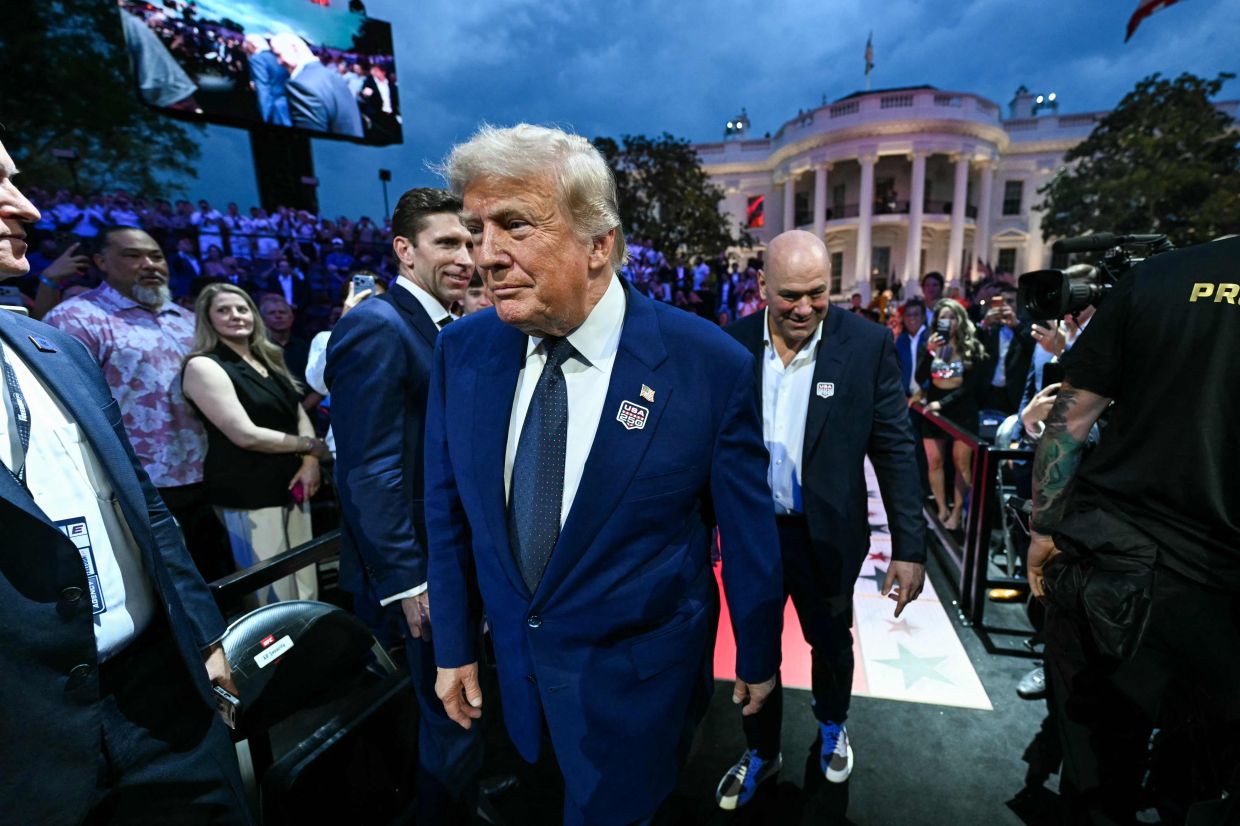
Donald Trump turned 80 with an unconventional celebration that brought the bloodshed and brutality of mixed martial arts to one of America's most iconic venues—the White House South Lawn. On Sunday evening, the President hosted a UFC event as part of the broader festivities marking his milestone birthday and the nation's 250th anniversary, a decision that has ignited fierce debate across political and cultural circles about the appropriateness of staging such spectacles on the nation's most sacred grounds.
The Ultimate Fighting Championship, owned by TKO Group Holdings Inc., transformed the South Lawn into a battle arena centred around a nearly 100-foot-tall structure called "the Claw," which housed seven cage matches and 4,300 seats. The fights commenced just before 8:30pm, with Trump and UFC President Dana White leading a ceremonial walk through the White House to the arena. Despite weather concerns that briefly delayed proceedings due to lightning and thunder over the capital, the event proceeded as planned. The scale of the installation exceeded anything previously erected on the South Lawn, dwarfing temporary structures like the ice rink installed by former President Joe Biden and rendering traditional events such as the Easter Egg Roll and Congressional Picnic pale by comparison.
The gathering attracted significant figures from business, government, and entertainment. Meta Platforms Inc. CEO Mark Zuckerberg, Paramount Skydance Corp. CEO David Ellison, Treasury Secretary Scott Bessent, and members of Trump's immediate family attended the fights. Podcast commentator Joe Rogan, whose popularity among young male voters proved instrumental in Trump's 2024 election victory, provided live commentary throughout the matches. The White House ensured military servicemembers received prime seating, while the coverage specifically featured watch parties at various military installations, including in Okinawa, Japan, extending the event's reach beyond the capital.
The spectacle represented Trump's personal vision, according to White, a longtime presidential ally whose league benefits substantially from administration backing. The UFC's predominantly young male demographic constituted a crucial voting bloc in Trump's electoral success, and his administration has reciprocated with tangible support—the State Department and Federal Bureau of Investigation have both signed partnership agreements with the company. This alignment between political leadership and professional sports entertainment underscores how Trump's second term actively cultivates relationships with industries that mobilise his core supporters, blurring traditional boundaries between entertainment, politics, and governance.
Financial details reveal the event's extraordinary scale and cost. UFC invested more than US$60 million to stage the fights, with the White House maintaining that the company bore all expenses and handled sponsorship arrangements independently. However, court filings indicate that more than seven federal agencies collectively "allocated significant resources and manpower" toward the event's production. Notably, Trump's family venture World Liberty Financial contributed an additional US$250,000 bonus pool for the top two fighters, further intertwining personal business interests with official presidential events. Sponsors included cryptocurrency platform Crypto.com and Dodge's Ram truck brand, positioning the event within broader commercial ecosystems aligned with Trump's political base.
Public reception has been decidedly lukewarm. A YouGov poll released June 5 found that 51 percent of surveyed Americans disapproved of hosting UFC fights at the White House, while only 27 percent approved—a stark 24-point gap reflecting significant public concern about the propriety of transforming the presidential residence into a combat sports venue. Criticism culminated in a lawsuit filed by the Public Integrity Project, which characterised the event as a "volcano of corruption," though courts ultimately declined to halt the proceedings.
The ceremonial framing elevated the fights beyond mere entertainment. The Lincoln Memorial hosted a pre-event news conference where fighters traded insults and boasts in one of America's most revered historical settings. Some participants, including fighter Michael Chandler, spoke earnestly about representing the nation's heritage on the White House grounds. Medal of Honor recipients and first responders escorted competitors into the arena, deliberately invoking national service and sacrifice alongside combat entertainment. This ceremonial architecture attempted to render the UFC event as genuinely patriotic, though critics questioned whether military honours should accompany athletic competition.
The event's physical infrastructure sparked additional commentary. Trump suggested in a June 2 TikTok video that the Claw might remain permanently, comparing it favourably to the Eiffel Tower in Paris. "We're building something in front of the White House that's quite attractive to a lot of people," he remarked, before later claiming the comment was humorous. Court filings committed the administration to dismantling the structure beginning at 10am Monday, though the provisional nature of Trump's reassurances has generated skepticism about long-term plans.
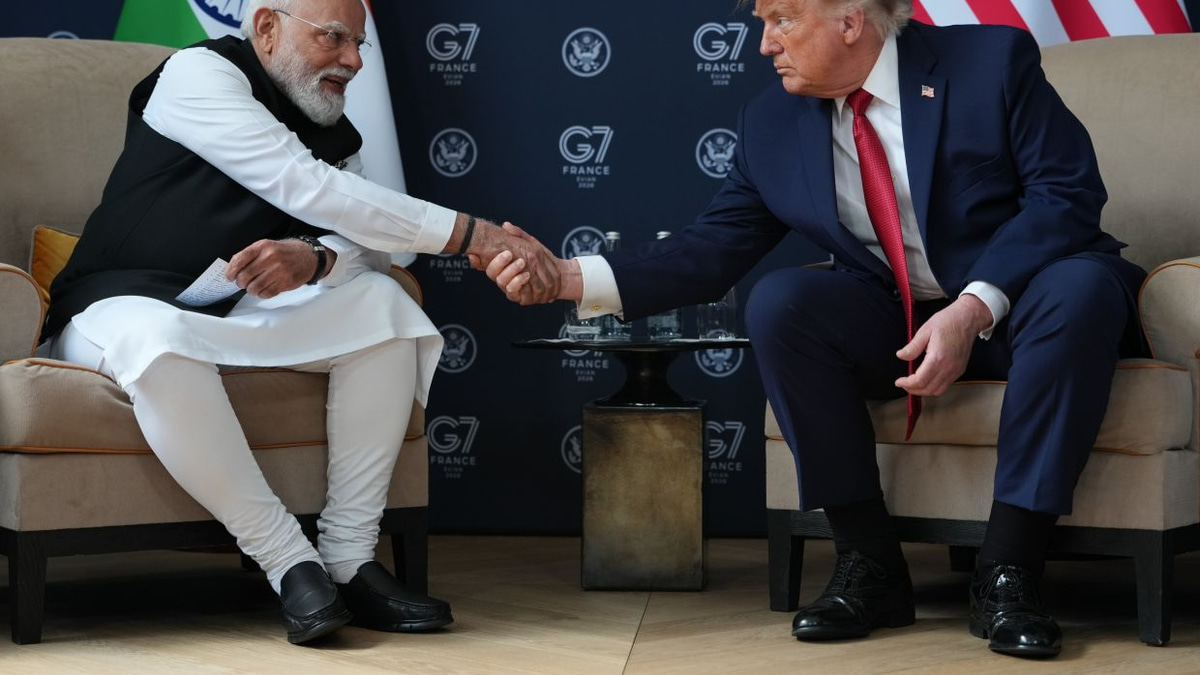
The timing of the celebration carries international implications. Trump will depart for France immediately after dismantling to attend a Group of Seven summit—a meeting already anticipated to involve contentious discussions with allied leaders on trade, Ukraine, and NATO commitments. The contrast between a domestic UFC spectacle celebrating American strength and imminent diplomatic negotiations with Western allies encapsulates tensions within Trump's worldview: muscular nationalism expressed through entertainment at home, paired with potentially confrontational bilateral engagement abroad.
For Malaysian and Southeast Asian readers, the event illustrates how American political leadership increasingly merges entertainment with governance, potentially establishing precedents that ripple through allied nations. The UFC's global expansion and Trump's explicit cultivation of the league suggest that mixed martial arts will occupy heightened positions within the administration's diplomatic and cultural outreach efforts. Furthermore, the extent to which Trump's government facilitated and legitimised the event through official endorsement and resource allocation demonstrates how commercial entertainment increasingly intersects with state power in American politics, a dynamic worth monitoring given evolving patterns of corporate influence in democratic institutions across the region.
As demolition crews prepare to disassemble the White House's temporary combat arena, the broader implications linger. Trump's birthday celebration captured the paradox of contemporary American governance: a spectacle of national confidence simultaneously undermined by widespread public disapproval, expensive federal resource allocation, and a governing style that seamlessly blends personal business ventures with official presidential platforms. Whether this represents a durable shift in how American power operates remains an open question with consequences extending well beyond the capital.