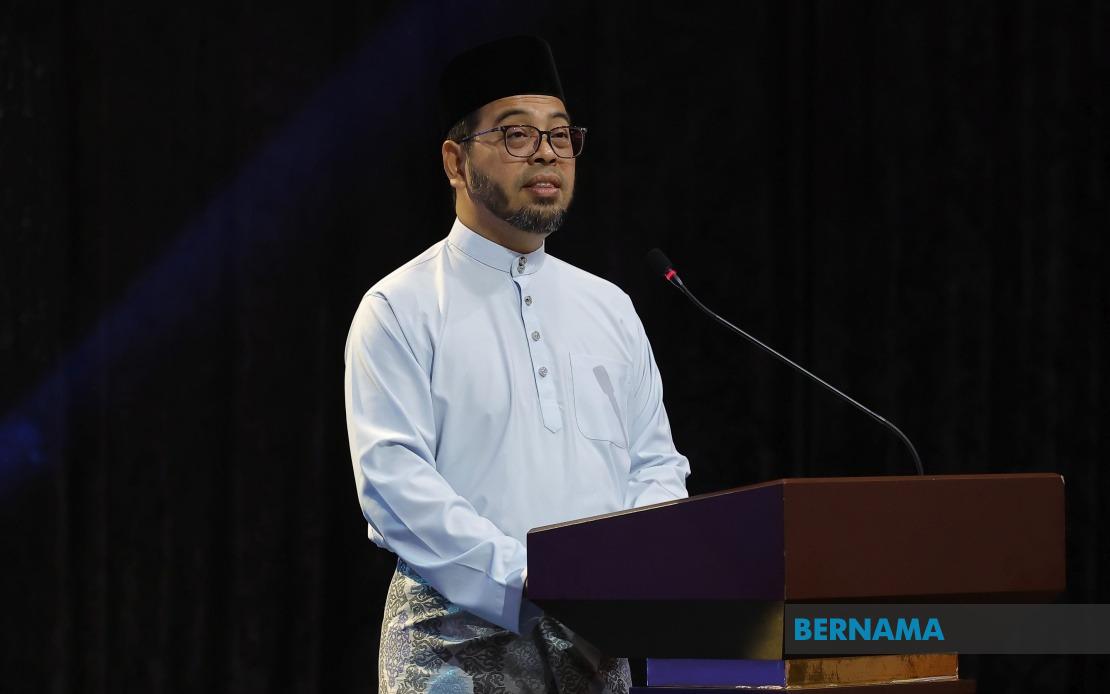
Religious Affairs Minister Dr Zulkifli Hasan has made a clarion call for Malaysian Muslims to move beyond factional divisions and entrenched grievances, emphasising that social cohesion is fundamental to the nation's resilience in an increasingly turbulent world. Speaking at the national-level Maal Hijrah 1448H/2026M celebration held at Putra Mosque in Putrajaya, Zulkifli stressed that internal strife weakens communities and invites collective hardship, whereas solidarity among believers generates blessings and fortifies national strength. The occasion, graced by the presence of Sultan of Perak Sultan Nazrin Shah and Deputy Prime Minister Datuk Seri Fadillah Yusof, carried the thematic focus "MADANI Dihayati, Ummah Diberkati", signalling the government's continued emphasis on inclusive Muslim-majority governance aligned with its Madani framework.
Zulkifli's remarks reflect growing official concern about the fragmentation of Malaysia's Muslim community across ideological, sectarian, and socio-economic lines. The minister articulated a vision of meaningful transformation that transcends material or political adjustments, instead rooting societal progress in the intellectual, spiritual, and moral development of individuals. This framing suggests recognition that sectarian tensions, doctrinal disputes, and competing visions of Islamic practice have historically complicated Malaysia's quest for social stability. By positioning individual reformation as the prerequisite for collective strength, Zulkifli advances the argument that durable national unity cannot be imposed from above but must emerge from genuine introspection and commitment among believers themselves.
The timing of these remarks assumes particular significance given Malaysia's exposure to widening international economic instability. Supply chain disruptions stemming from geopolitical tensions, persistent inflation across regional markets, and uncertainty in commodity prices have rippled through Southeast Asia's economies with considerable force. Malaysia, as an open economy dependent on trade and foreign investment, remains notably vulnerable to these currents. Zulkifli's invocation of external pressures served to contextualise the urgency of internal unity, suggesting that fragmented societies struggle to respond effectively to systemic economic shocks. This reasoning aligns with established scholarly observation that social cohesion enhances adaptive capacity and policy effectiveness during periods of external stress.
The minister emphasised that hijrah, traditionally understood as the Prophet Muhammad's migration from Mecca to Medina, ought to be reinterpreted as an ongoing spiritual and behavioural journey. Rather than a historical event confined to the Islamic calendar, he presented hijrah as a continuous process of abandoning destructive practices and intentionally cultivating virtues that reinforce social bonds. This contemporary reading of the Islamic concept serves a practical function within Malaysia's pluralistic context: it depoliticises hijrah from literalist or revivalist interpretations that have sometimes catalysed intra-Muslim conflict, instead reframing it as an instrument for building cohesion. Such reinterpretation reflects the Madani administration's broader effort to harmonise Islamic teaching with inclusive governance principles.
Zulkifli further acknowledged that despite doctrinal differences and diverse backgrounds, all Malaysian citizens carry shared responsibility for safeguarding national peace, stability, and prosperity. This formulation extends the concept of ummah unity beyond religious boundaries, implicating non-Muslim citizens in the collective project of national stewardship. The statement signals official recognition that Malaysia's security and prosperity depend on inter-communal forbearance and collaborative citizenship, not merely on Muslim-Muslim harmony. This inclusive framing, while rhetorically significant, also underscores the limits of appeals to Islamic unity as a complete response to sectarian fragmentation—suggesting that constitutional nationalism and secular civic bonds remain necessary complements to religious solidarity.
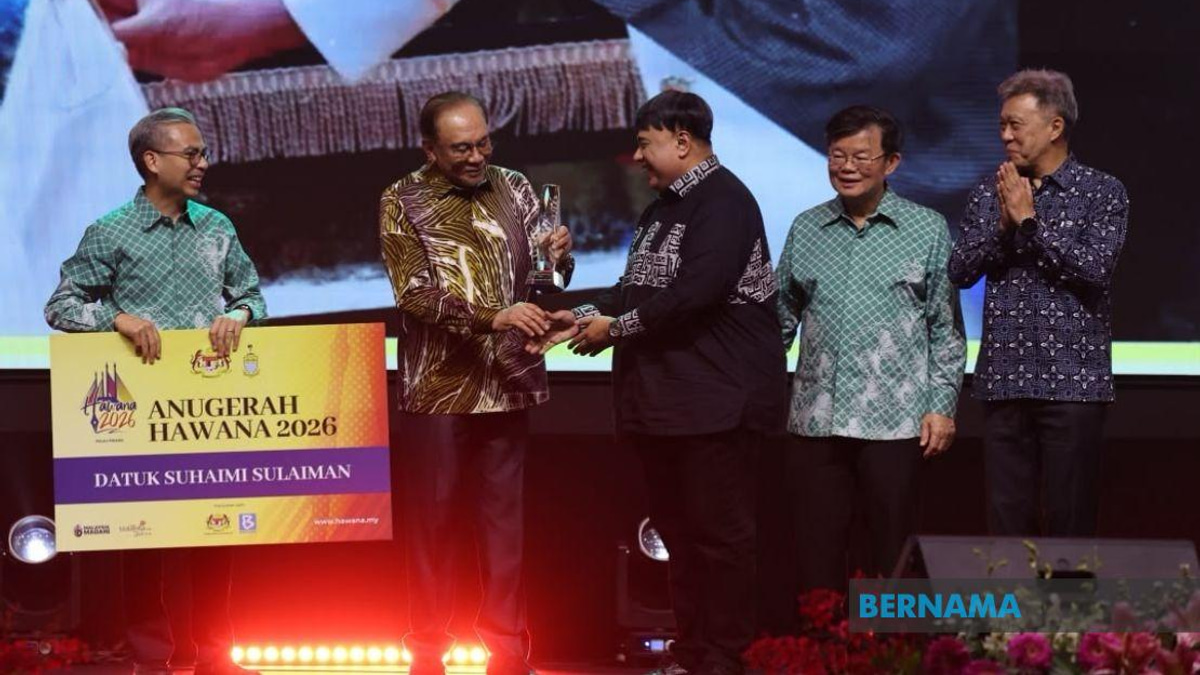
The recognition accorded to award recipients during the ceremony carried symbolic weight. The presentation of the National Tokoh Maal Hijrah award to Prof Emeritus Datuk Dr Osman Bakar, rector of the International Islamic University Malaysia (IIUM), reflected official acknowledgement of intellectual and institutional leadership in Islamic scholarship within the Malaysian context. Osman Bakar, a prominent figure in interfaith dialogue and Islamic philosophy, represents a tradition of Islamic thought that emphasises universalist principles and compatibility between Islamic values and modern knowledge. The simultaneous award of the International Tokoh Maal Hijrah honour to Moroccan Islamic scholar Dr Ahmad Al-Raysuni extended recognition beyond national borders, positioning Malaysia as a node within a broader Islamic intellectual network and signalling openness to diverse scholarly traditions within Islam.
The choice of venue and ceremonial framework amplified the message's resonance. Putra Mosque, situated in the administrative heart of Malaysia's federal territory, served as a venue imbued with official legitimacy and grandeur. The attendance of both the Sultan of Perak and the Deputy Prime Minister conveyed unified leadership commitment to the unity agenda, lending institutional weight to Zulkifli's appeal. The formal ceremonial structure, complete with awards and speeches, transformed what might otherwise be a routine religious observance into a significant statement of governmental priority. This deployment of state apparatus and symbolic resources underscores the administration's assessment that Muslim unity represents not merely a religious aspiration but a matter of national strategic importance.
Zulkifli's exhortation that citizens continue supporting government initiatives aimed at upholding Muslim dignity and Islamic values introduces an implicit reciprocal arrangement. Citizens are asked to invest trust and cooperation in state-led efforts to strengthen Islamic practice and Muslim welfare; in return, the government positions itself as guardian and promoter of these interests. This transactional framing, while common in religious governance discourse, contains potential tensions. Should government policies be perceived as inadequately advancing Muslim interests or as compromising Islamic principles through accommodation of pluralism, the foundation for unity could erode. The minister's emphasis on elevating Muslim dignity suggests official awareness of grievances among constituencies who perceive previous governments or secular-leaning policies as marginalising Islamic concerns.
The broader context of Zulkifli's remarks reveals the Madani government's continuing effort to operationalise inclusivity while maintaining Islamic primacy within Malaysia's constitutional order. The appeal for Muslim unity serves multiple audiences simultaneously: it addresses conservative Islamic constituencies demanding stronger assertion of Muslim interests; it speaks to institutional leaders and scholars seeking intellectual engagement with Islamic governance; and it communicates to the broader Malaysian public a commitment to national stability rooted in respect for religious identity. Whether such appeals can sustain measurable improvement in social cohesion remains uncertain, given the deep structural factors—economic inequality, contestation over Islamic authority, and competing political visions—that generate and perpetuate sectarian divisions.
Looking ahead, the effectiveness of calls for unity will likely depend on whether rhetorical exhortation translates into substantive policy measures addressing underlying grievances within Muslim communities. Economic anxiety, disputes over Islamic educational curricula, competition among religious authorities, and tensions between traditionalist and reformist movements require more than aspirational speeches. The minister's invocation of individual spiritual transformation, while theologically sound, risks deflecting attention from systemic factors and institutional reforms that might more directly ameliorate divisions. Nevertheless, by anchoring the unity agenda to the concept of hijrah and framing collective strength as essential to national resilience amid global turbulence, Zulkifli has articulated a vision that positions religious solidarity as compatible with, and indeed necessary for, Malaysia's continued stability and prosperity in an uncertain international environment.