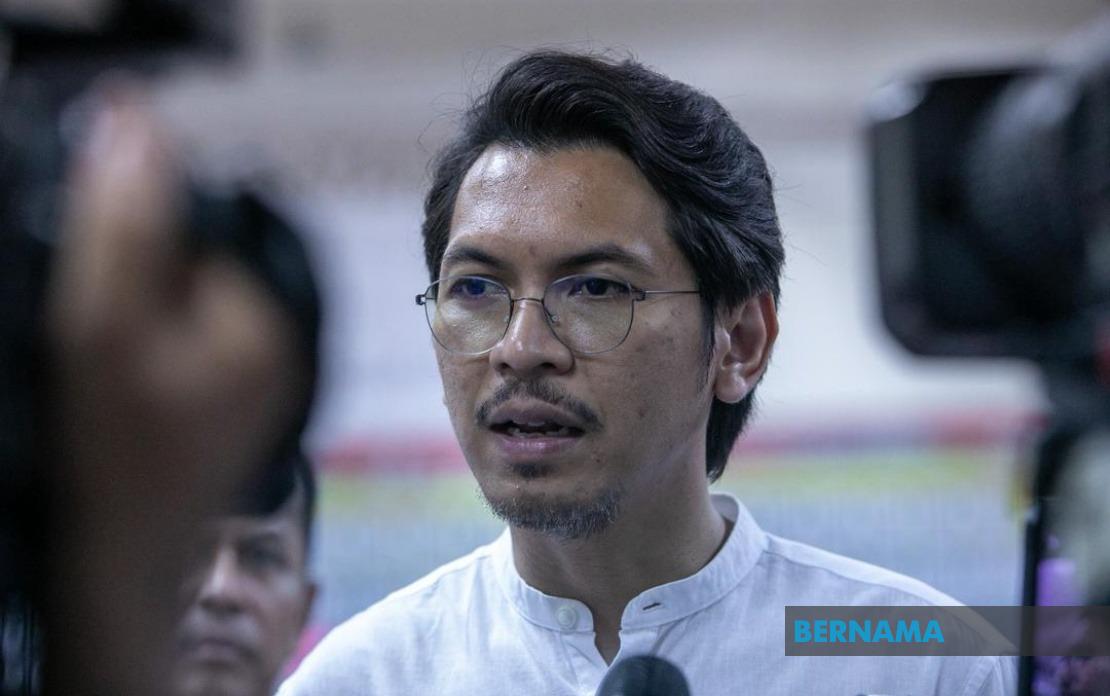
A memorandum of understanding between the United States and Iran could deliver welcome respite to global oil markets, though the pathway to genuine price stability will stretch across several months, according to Malaysia's Political Secretary to the Minister of Finance. Muhammad Kamil Abdul Munim acknowledged the strategic significance of diplomatic progress while tempering expectations about how quickly Malaysian consumers and businesses might experience tangible benefits at the pump.
Spoken at an official ceremony in Kuala Kangsar, Kamil's comments reflect the measured optimism filtering through Southeast Asian capitals as tensions that have roiled energy markets show signs of easing. The blockade and security threats affecting the Strait of Hormuz have forced shipping routes to divert, driving up insurance, fuel surcharges, and logistics costs across global supply networks. Reopening these critical waterways would reverse this trend, yet the structural costs accumulated during months of disruption cannot simply evaporate once vessels resume normal passage.
Prime Minister Datuk Seri Anwar Ibrahim has already signalled confidence in the negotiation process, viewing the preliminary accord as a foundation for broader Middle Eastern stability. The two parties have set a 60-day window to reach a final agreement, a timeline that underscores both urgency and the complexity of the issues at stake. For oil-importing nations like Malaysia, the diplomatic momentum matters significantly, since prolonged uncertainty would continue supporting elevated prices and risk premiums embedded in crude valuations.
The Malaysian government has deployed several defensive measures to shield citizens from energy-price volatility while waiting for international conditions to normalise. The subsidised price of RON95 petrol remains fixed at RM1.99 per litre, a policy that contrasts sharply with the trajectory in many trading partners where fuel costs have surged. This commitment demands fiscal discipline and limits the government's flexibility, particularly if global prices remain elevated for an extended period. Kamil signalled that the Economic Action Council will conduct ongoing assessments over the next four to six months, calibrating support mechanisms based on real-time market movements rather than locking in fixed policies that could become unsustainable.
The BUDI MADANI RON95 initiative, which provides targeted petrol assistance capped at 200 litres monthly, represents another layer of protection for Malaysian households. However, Kamil indicated that the government will reassess this quota structure before deciding whether to expand or maintain it. Such flexibility suggests policymakers are watching international trends closely and will adjust course if conditions warrant. The decision to review rather than commit to increases reflects a cautious posture that acknowledges both the potential for improvement and the risk of disappointed expectations.
Beyond the immediate energy question, Kamil contextualised the broader strategic calculus influencing Malaysia's approach to global affairs. Prime Minister Anwar's upcoming official visit to Russia represents a deliberate effort to strengthen bilateral relations spanning trade, diplomacy, and energy cooperation. Malaysia, as a mid-sized trading economy in a complex geopolitical environment, must cultivate diverse partnerships rather than relying on a narrow set of relationships. This diversification impulse extends naturally to energy resources, where overdependence on any single source or region introduces unnecessary vulnerability.
Russia's position as an economic powerhouse with substantial oil and energy reserves makes it an attractive strategic partner, particularly for a nation seeking to insulate itself from supply disruptions. The bilateral energy relationship offers Malaysia both immediate commercial opportunities and longer-term strategic optionality. By strengthening ties with Moscow, the government signals to its international partners that it operates within a multipolar framework and will not align exclusively with any single bloc. This approach has become increasingly important as great-power competition shapes regional dynamics across Southeast Asia.
The timing of Malaysia's diplomatic engagement with Russia alongside the US-Iran peace negotiations reflects sophisticated statecraft. Rather than waiting passively for international conditions to improve, the government is actively constructing relationships that enhance its negotiating position and economic resilience. Energy security considerations underpin much of this strategy, as stable and affordable fuel supplies remain central to Malaysia's development agenda. Rising global energy costs directly translate into inflation across the economy, affecting everything from transportation networks to manufacturing competitiveness to household budgets.
Kamil's public statements also acknowledge the accumulated costs that will persist even after the immediate crisis resolves. Throughout the blockade period, Malaysian importers and exporters have absorbed higher insurance premiums, fuel surcharges, and logistics fees. These cost increases become embedded in supply chains and cannot be immediately reversed once shipping routes reopen. Businesses may struggle to recover margins if they absorbed elevated costs during the disruption, and downstream consumers may find that prices do not fall as rapidly as oil markets might suggest. This lag between commodity price movements and retail price adjustments represents a crucial reality that policymakers must communicate clearly to avoid fuelling public frustration.
The Malaysian government's multi-pronged approach—combining immediate price controls, targeted assistance, diplomatic engagement, and ongoing policy review—reflects recognition that energy markets operate within both immediate and structural timeframes. Short-term volatility demands rapid policy responses, while longer-term security requires relationship-building and diversification strategies that unfold across years. The convergence of these timelines explains why officials like Kamil emphasise both optimism about diplomatic progress and realism about the duration of adjustment periods.
Looking ahead, Malaysia's experience with the Hormuz disruption and the subsequent peace negotiations offers instructive lessons about vulnerability in integrated global energy markets. For a region heavily dependent on maritime trade and international energy supplies, the concentration of critical chokepoints creates structural risks that no single country can manage in isolation. The US-Iran agreement, should it materialise into a durable settlement, could demonstrate the value of sustained diplomacy in reducing these systemic risks. Yet even successful diplomacy cannot instantly undo the institutional and market changes that emerge during prolonged supply disruptions.


