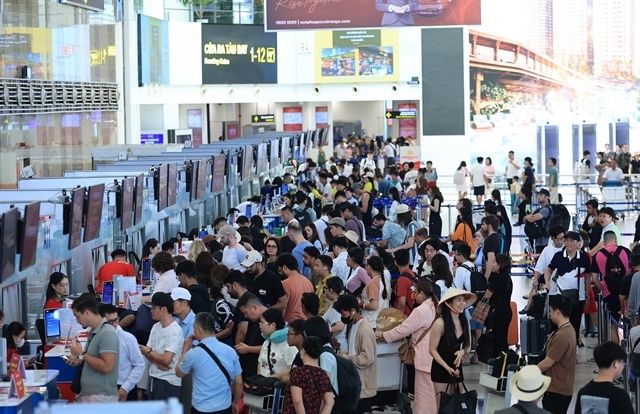
Vietnam's government has moved to strengthen passenger protections by introducing comprehensive compensation requirements for airlines, with Decree No. 208 taking effect next month. The regulation represents a significant shift toward consumer-friendly aviation standards in Southeast Asia, establishing clear definitions and obligations for carriers when flights do not depart as scheduled. The decree outlines detailed procedures for compensation, rebooking, and customer service measures that airlines operating in Vietnamese airspace must now observe.
At the heart of the new regulation lies a precise definition of what constitutes a delay. Any flight whose actual departure time exceeds the scheduled departure time by more than 15 minutes formally qualifies as delayed under the decree. The regulation introduces an additional category of "long delays," which refers to disruptions lasting four hours or longer from the originally scheduled departure. This tiered approach allows authorities and passengers to distinguish between minor schedule slippages that require basic notification and more substantial disruptions that trigger enhanced compensation and support obligations.
When airlines anticipate delays, they must act swiftly and transparently. Carriers are obliged to notify passengers without delay, offer an explanation for the disruption, and crucially, apologise for the inconvenience caused. Beyond initial notification, airlines must maintain updated information about revised departure times, ensuring this data reaches the airport operator and terminal services provider. Airports must display these updates on flight information screens at least every 30 minutes, a requirement designed to keep stranded passengers informed and reduce confusion during disruptions.
Passengers enduring delays of two hours or longer gain access to tangible support. Airlines must provide drinking water or equivalent vouchers to affected travellers, recognising that extended airport waits create genuine hardship. For delays occurring during daytime hours—between 7am and 10pm—carriers must arrange suitable rest facilities appropriate to the airport's infrastructure and capacity. The regulation acknowledges the different challenges posed by overnight disruptions, requiring airlines to provide sleeping or resting accommodation for delays occurring between 10pm and 7am the following morning, or alternative solutions acceptable to the passenger.
When delays stem from the airline's own operational failures or negligence, passengers gain significant leverage in making alternative travel arrangements. Carriers must rebook affected passengers on alternative itineraries or different flights at no additional cost, and must waive any typical restrictions on itinerary changes or rebooking surcharges. This provision aims to prevent airlines from profiting from their own failures, as the cost of rebooking cannot be passed to the passenger when the airline bears responsibility for the initial disruption. The decree grants passengers genuine choice in how they resolve their travel predicament, rather than forcing them into predetermined airline solutions.
Schedule changes—deliberate alterations to departure times announced before the flight—receive separate regulatory treatment. When an airline advances a flight by five or more hours, or delays it by the same margin, the disruption triggers enhanced protections. Beyond mandatory notification, passengers gain an unconditional right to request full ticket refunds. Alternatively, airlines must rebook them on suitable alternative flights, adjust departure times to accommodate their revised plans, or place them on another flight within 72 hours at the passenger's request. For more modest schedule adjustments within four hours earlier or 15 minutes later than originally planned, airlines may apply their own standard policies.
Flight cancellations represent the most severe disruptions addressed by the decree. A cancellation occurs when an airline fails to operate a flight for which at least one passenger held a confirmed seat and ticket. Upon cancellation, carriers must immediately inform all affected passengers, provide an apology, and explain the circumstances necessitating the cancellation. If the airline caused the cancellation—whether through operational issues, maintenance failures, or staffing problems—passengers gain three remedies to select from. They can request full fare refunds without penalty, accept rebooking on an alternative itinerary that reaches their final destination, or board another flight within a reasonable timeframe, with all surcharges and restrictions waived.
The decree notably empowers Vietnam's Minister of Construction to prescribe additional details regarding non-refundable advance compensation amounts, payment procedures and deadlines, and reporting obligations for carriers. This deferred implementation of compensation specifics suggests the government intends to calibrate financial penalties based on feedback from airlines and passenger advocates over the coming months. The approach offers flexibility to balance consumer protection with industry viability, though it also creates uncertainty about exact compensation figures until ministerial guidelines are published.
For Malaysian and Southeast Asian readers, Vietnam's new regulation marks a watershed moment in regional aviation standards. Malaysia's own Civil Aviation Authority has historically been more permissive regarding airline compensation obligations, meaning Vietnamese carriers now face stricter requirements on routes to Hanoi or Ho Chi Minh City than passengers flying domestically or regionally on Malaysian-registered airlines. The decree may pressure carriers across the region to harmonise standards upward, as passengers increasingly expect consistent protections regardless of which Southeast Asian nation operates their flight. Airlines serving Vietnam must now absorb costs previously borne by passengers, potentially incentivising operational improvements and on-time performance.
The regulation also reflects broader global trends toward passenger-centric aviation regulation. The European Union's Regulation 261/2004, which mandates carrier compensation for delays and cancellations, has influenced policy in other regions. Vietnam's decree demonstrates how developing nations can adopt stringent consumer protections while still accommodating domestic airline economics through flexibility in compensation amounts and methodology. This balanced approach offers a potential model for other Southeast Asian nations considering similar reforms.
Implementation remains uncertain, however. Vietnamese carriers have historically faced challenges meeting complex regulatory requirements, and enforcement mechanisms for the new decree remain unclear. Whether airports possess adequate facilities to accommodate overnight rest requirements, and whether carriers will voluntarily comply with voucher provisions, remain open questions. The decree's effectiveness ultimately depends on robust monitoring by aviation authorities and accessible complaint mechanisms for passengers to challenge airline non-compliance.