Vietnamese law enforcement has dealt a significant blow to an organised crime operation centred on the systematic theft of pet cats across southern Vietnam. Following a crackdown last week that netted nine arrests, authorities recovered more than 400 living animals and 80 carcasses that had been frozen for sale. The bust represents a major victory for animal welfare advocates in Southeast Asia, where the trade in dog and cat meat remains a persistent challenge despite growing domestic and international pressure to halt the practice.
The criminal enterprise operated across southern Vietnam over a three-year period, with suspects employing systematic methods to lure and trap cats from residential areas. Ho Chi Minh City emerged as both a primary hunting ground and distribution hub for the operation, prompting a police investigation after mounting complaints from residents experiencing pet thefts. The gang's activities underscored the vulnerability of urban pet owners in the region, where organised theft rings exploit the high number of companion animals kept in densely populated cities.
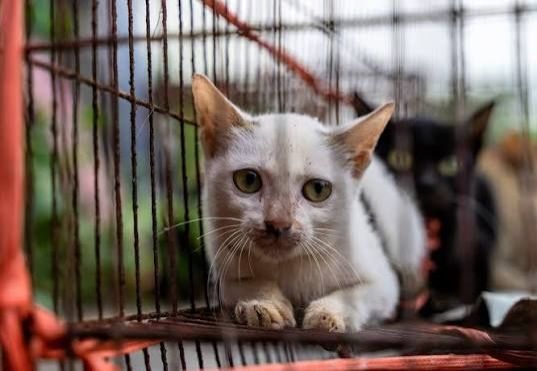
At the time of the raids, authorities seized 400 live cats along with 80 preserved specimens at one location, and recovered a further 21 animals from a separate facility. The sheer scale of the operation indicates a sophisticated supply chain designed to feed commercial demand. Police investigations revealed that suspects had confessed to capturing animals using deliberate trapping techniques, then holding them in conditions suitable for eventual slaughter and processing.
While cat and dog meat consumption remains legal in Vietnam, the trade operates within a regulatory framework that theoretically constrains the practice. Restaurants and vendors are permitted to serve such meat publicly, with many establishments openly advertising these dishes to customers. However, Vietnamese law requires merchants to provide documentary evidence proving the legitimate origin of the animals they process. The stolen cats seized in this operation would have violated this requirement, as they could not have been accompanied by proper certification documents.
The recovery operation has proven emotionally significant for pet owners in Ho Chi Minh City. At least 40 of the rescued cats have already been returned to their families, bringing relief to owners who had feared the worst regarding their missing companions. However, the reunion process has been tempered by tragedy: approximately 100 of the rescued animals perished from injuries and stress sustained during their captivity and transportation, according to Humane World for Animals, the international organisation that coordinated with Vietnamese authorities on the rescue.
The handling of surviving animals presents an ongoing challenge for the police investigation. Roughly 100 cats remain in police custody as evidence material needed to prosecute the nine suspects and establish the full scope of their criminal activity. Maintaining these animals in proper conditions while they serve an investigative purpose has become an animal welfare concern in itself. Police facilities, designed primarily for securing contraband and evidence rather than caring for live animals, may lack adequate ventilation and environmental controls necessary to ensure the wellbeing of frightened, traumatised cats during potentially prolonged proceedings.
Animal welfare organisations have mobilised to address these logistics. Humane World for Animals has taken direct action by supplying food to the detained cats and coordinating the delivery of cooling fans to mitigate heat stress, a critical concern given Vietnam's tropical climate. The organisation's advocacy extends beyond immediate relief efforts; officials have voiced concerns about the long-term fate of the remaining animals once the legal process concludes. Without clarity on outcomes, uncertainty clouds the prospects for many of the rescued cats.
The operation reflects broader regional concerns about wildlife trafficking and animal cruelty in Southeast Asia. While dog and cat meat trade scandals periodically gain international attention, successful prosecutions remain relatively uncommon across the region. This Vietnamese bust demonstrates that sustained investigative effort and coordination between law enforcement and animal welfare groups can yield tangible results, though the recovery process exposes systemic gaps in how authorities manage live animal evidence.
For Malaysian readers, the case carries relevance beyond novelty value. Although Malaysia has stricter animal welfare laws than Vietnam, organised theft of pets for commercial purposes has affected urban areas across Southeast Asia. The incident highlights vulnerabilities that pet owners face in developing cities where enforcement of animal protection statutes remains inconsistent. The operation's three-year undetected run also suggests that gaps in inter-agency coordination and community reporting mechanisms can allow organised crime to flourish, even when the underlying activity contradicts evolving social values around animal treatment.
The case also illuminates tensions between legal frameworks and cultural practices in the region. Vietnam's permissive stance on dog and cat meat consumption coexists uneasily with growing domestic opposition among younger, urban Vietnamese who increasingly view cats and dogs as companion animals rather than food sources. This generational and geographical divide creates space for criminal exploitation, as those opposed to the trade have little legal recourse beyond emergency rescue efforts. The police action, while laudable, ultimately leaves unresolved the fundamental question of whether Vietnam's legal permission for such consumption will persist as social attitudes continue evolving.
Looking forward, animal rights advocates will scrutinise the prosecution outcomes and sentencing decisions, using them as benchmarks for future enforcement. The case may also prompt broader policy discussions about strengthening animal origin certification systems and increasing penalties for theft rings that prey on domestic animals. For pet owners across Southeast Asia, the recovery operation offers a hopeful but sobering reminder that vigilance and community cooperation remain essential protections against organised exploitation of their companions.