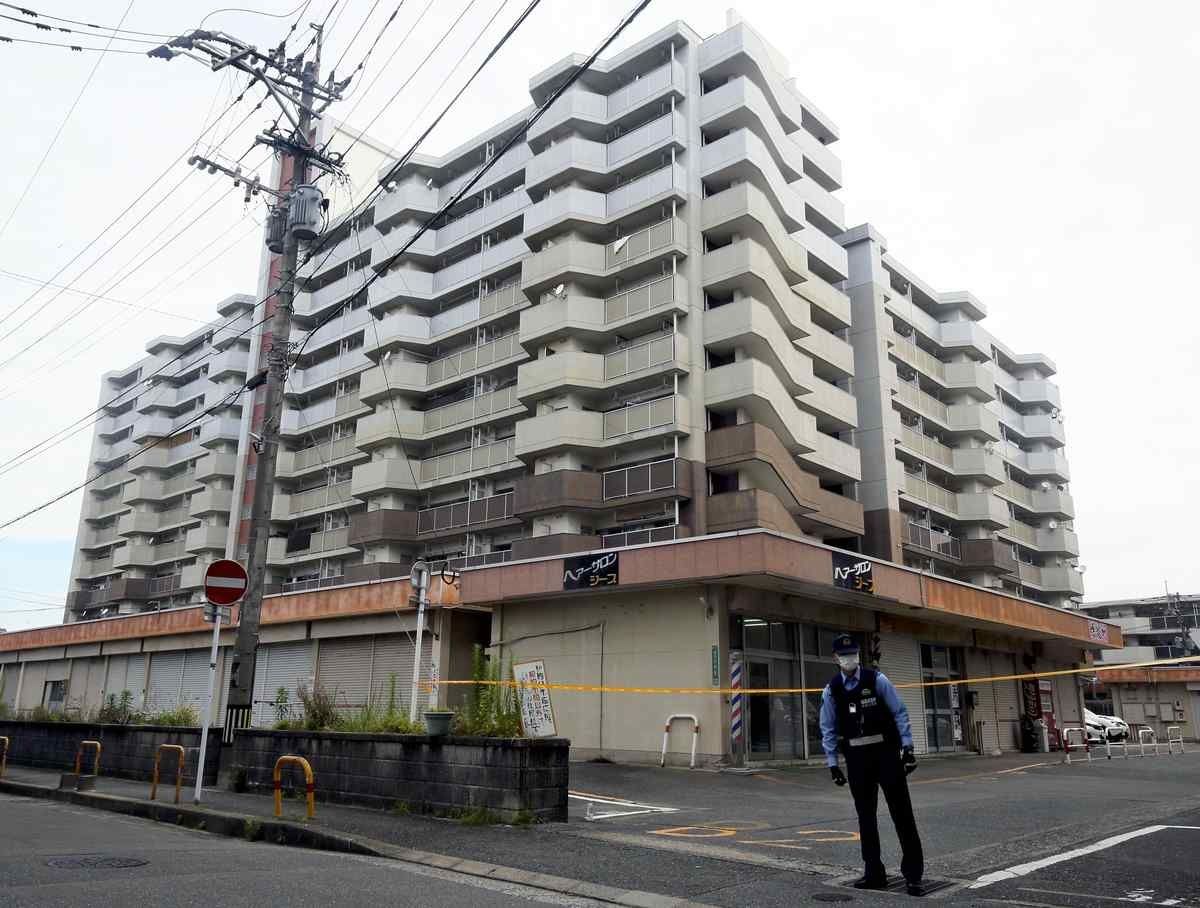
A 36-year-old woman was taken into custody on Thursday, June 18 in connection with the fatal stabbing of her friend in Fukuoka City, marking a shocking case of violence that occurred just metres away from where three young children lay sleeping. The victim, a 33-year-old woman, was rushed to hospital but could not be saved, succumbing to her injuries despite emergency medical intervention. Investigators from Fukuoka Prefectural Police's Higashi Station initially charged the suspect with attempted murder, though the case has since been upgraded to a full murder investigation as the victim's condition deteriorated.
The alleged assault took place shortly after 3:15 am on Thursday morning, when the suspect reportedly wielded a knife-like instrument to inflict multiple wounds on her victim's neck and chest area. The brutality of the attack, combined with the proximity of the sleeping children, has raised serious concerns among local residents and sparked wider conversation about domestic safety in Japan. The three victims—elementary school-aged children—were in a separate room when the violence unfolded, though the psychological impact of such a traumatic incident occurring so close to them remains a significant concern for child welfare authorities.
What makes this case particularly disturbing is the intimate nature of the alleged crime. The suspect and victim were described as living together, suggesting a relationship that had deteriorated to the point of fatal violence. In her initial police statements, the woman acknowledged her involvement without reservation, telling investigators: "It's true I did it. I stabbed her many times." This admission provides authorities with a clear foundation for their investigation, though questions remain about the circumstances that prompted such a violent confrontation in the early morning hours.
The incident underscores ongoing concerns in Japan regarding violence within residential settings and the vulnerability of children who may witness or be present during such incidents. Japanese law enforcement has increasingly focused on protecting families in situations involving domestic conflict, yet cases like this demonstrate the challenges authorities face in preventing tragedy. The Higashi Station investigators will now compile evidence for the murder charge, including forensic analysis, witness statements, and the suspect's detailed account of events.
For Malaysian readers, this case reflects broader patterns of domestic violence that transcend national boundaries. Japan, despite its reputation for low crime rates, continues to grapple with incidents of interpersonal violence that occur behind closed doors. The presence of children in the household adds another dimension to discussions about trauma and witness exposure, issues that child psychologists and social workers across Asia are increasingly addressing.
The investigation highlights the critical role of early intervention in conflict situations. Many cases of fatal domestic violence are preceded by warning signs—confrontations, restraining orders, or prior incidents of assault. Fukuoka authorities will likely examine whether there had been previous reports or complaints involving either party, seeking to understand whether intervention might have been possible at an earlier stage.
Japanese prosecutors will now prepare charges against the suspect, with the upgraded classification to murder carrying significantly more severe potential penalties than the initial attempted murder charge. The case will likely proceed through Japan's judicial system, which typically involves investigation, prosecution, and trial phases. Given the suspect's admission of guilt, attention may shift toward sentencing considerations and whether factors such as mental state or provocation could influence the final verdict.
The welfare of the three children now becomes a primary concern for local authorities. Beyond the immediate trauma of the incident itself, these young individuals will require psychological support and may face questions about their living situation and guardianship. Child protection services in Fukuoka are likely coordinating with the police investigation to ensure the children receive appropriate care and counselling.
This case also prompts reflection on the broader issue of weapon access in Japan. While the country maintains strict gun control laws, knife violence remains a persistent concern. The suspect's easy access to a knife-like object suitable for inflicting fatal wounds raises questions about whether additional safeguards or public awareness campaigns might reduce such incidents. Community education programs focusing on conflict resolution and mental health support are increasingly viewed as complementary approaches to legal enforcement.
The Fukuoka Prefectural Police's handling of this case—from initial arrest through charge reclassification—demonstrates the standard investigative procedures in Japan when allegations escalate in severity. The decision to upgrade the charges reflects the victim's death and forensic evidence gathered at the scene. As the investigation continues, authorities will work to establish a complete timeline of events and gather any additional witness testimony that might have been overlooked during the initial response.
From a regional perspective, this incident adds to growing data on interpersonal violence in East Asia, where modernisation and economic development have not necessarily reduced incidents of domestic conflict. Southeast Asian countries, including Malaysia, can learn from how Japanese authorities respond to such cases and how community-based prevention initiatives might be strengthened. The integration of mental health services, conflict mediation, and child protection into a coordinated response system represents best practice that many nations are attempting to adopt.
As the case progresses through Japan's legal system, it will inevitably draw attention from victim advocacy groups and domestic violence prevention organisations across the region. The stark reality that this fatal assault occurred within metres of sleeping children serves as a sobering reminder of the urgency with which communities must address violence prevention and support for families in crisis situations.