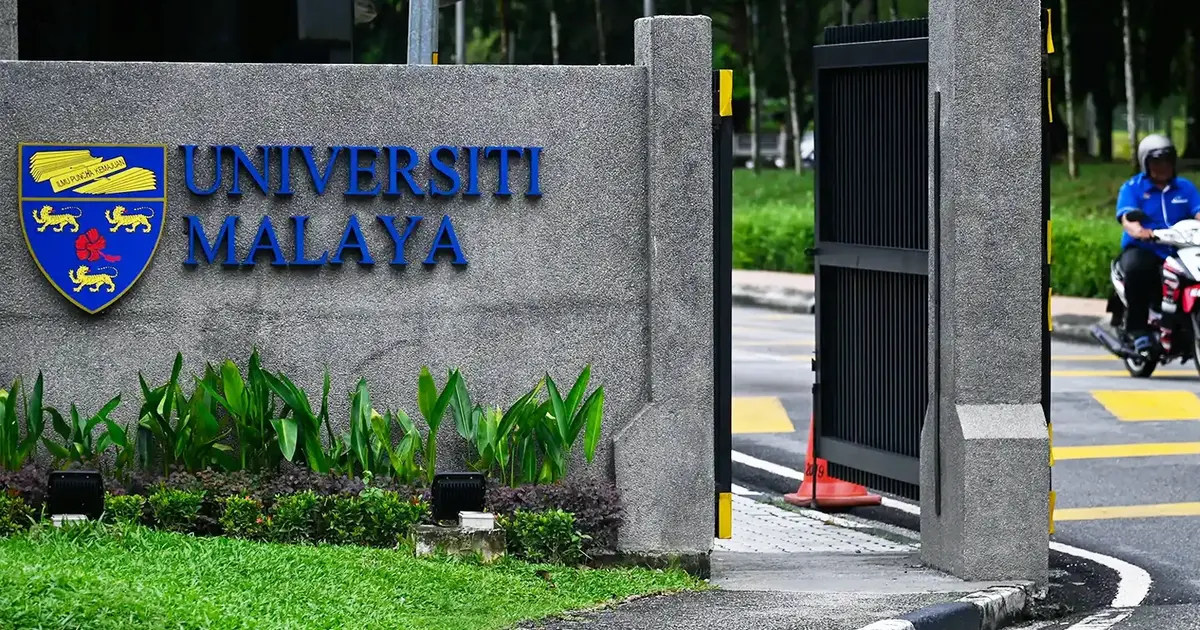
Student advocacy group NewGen UM has intensified pressure on Malaysia's leading research institution to disclose the results of an internal investigation into sexual harassment allegations against one of its academic staff members, exposing what activists characterise as institutional delays and a lack of accountability in handling misconduct cases within higher education.
The group's renewed call for transparency comes months after the University of Malaya publicly stated last September that the investigation had reached an advanced stage and was approaching its conclusion. The prolonged silence between that announcement and the present day has prompted concerns among student representatives about whether the university intends to release findings at all, and whether victims of workplace misconduct are receiving adequate institutional support during extended waiting periods.
Universities across Southeast Asia have faced mounting scrutiny over how they manage sexual harassment and misconduct allegations, with critics arguing that opaque internal processes often prioritise institutional reputation over survivor protection. The University of Malaya case reflects broader patterns observed in Malaysian tertiary institutions, where formal investigation procedures sometimes operate without meaningful external oversight or fixed timelines, leaving complainants and the wider campus community uncertain about outcomes and accountability measures.
NewGen UM's intervention reflects a generational shift in student activism at the institution. Rather than accepting lengthy delays as inevitable bureaucratic complications, younger cohorts are publicly naming institutional failings and demanding specific timelines and transparent reporting standards. This pressure aligns with regional movements advocating for clearer policies on workplace conduct, better support mechanisms for survivors, and consequences for those found to have violated institutional codes of conduct.
The timing of the original September announcement itself warrants examination. Universities sometimes release progress updates when investigations are approaching sensitive conclusions, potentially allowing institutional leadership time to prepare communications strategies or coordinate responses with legal advisors. The subsequent silence could indicate various scenarios: the investigation may have uncovered complex facts requiring careful documentation, parties involved may be disputing findings, or institutional decision-makers may be deliberating appropriate disciplinary or remedial measures before going public.
For student communities, delayed investigations create a chilling effect on future reporting. When initial complaints take months or years to resolve, other potential victims may conclude that coming forward yields little practical benefit or institutional protection. This dynamic particularly affects undergraduate and postgraduate populations who may fear retaliation from senior academic figures, especially in hierarchical institutional environments where faculty members often control research opportunities, recommendation letters, and access to professional networks.
The University of Malaya's situation also intersects with Malaysia's broader labour and employment framework. While the Employment Act and various sectoral regulations theoretically protect workers from harassment and discrimination, enforcement mechanisms in educational institutions remain inconsistently applied. Academic workplaces occupy a grey zone where traditional employment protections sometimes conflict with institutional autonomy claims, allowing universities to resist external scrutiny by framing misconduct matters as internal governance issues.
NewGen UM's activism may prompt other Malaysian universities to examine their own investigation procedures and timelines. Institutions across Kuala Lumpur, Bangi, and beyond have faced similar allegations in recent years, yet few have established clear public standards for investigation completion or mechanisms for independent oversight. Creating standardised protocols—perhaps overseen by a higher education ombudsman or sector-wide body—could protect complainants, strengthen institutional credibility, and reduce the motivational vacuum that allows investigations to stall indefinitely.
The group's persistence also reflects recognition that administrative pressure often catalyses institutional action more effectively than individual complaints. When investigations languish, public advocacy campaigns can force decision-makers to prioritise cases they might otherwise deprioritise. This dynamic, while sometimes uncomfortable for universities, ultimately strengthens accountability systems by making institutional responses subject to external scrutiny rather than purely internal timetables.
Moving forward, resolution of the University of Malaya investigation will likely become a touchstone for evaluating how Malaysia's universities manage serious allegations. A transparent announcement—including findings, any disciplinary measures, and institutional reforms implemented to prevent similar incidents—could restore confidence that the university takes misconduct seriously. Conversely, continued silence or inadequately explained delays will reinforce perceptions that senior institutions prioritise protecting their reputational interests over delivering justice to affected individuals and safety assurances to their campus communities.